High-Performance Pet Film Material Solutions - Superior Barrier Properties and Chemical Resistance

All Categories

pet film material

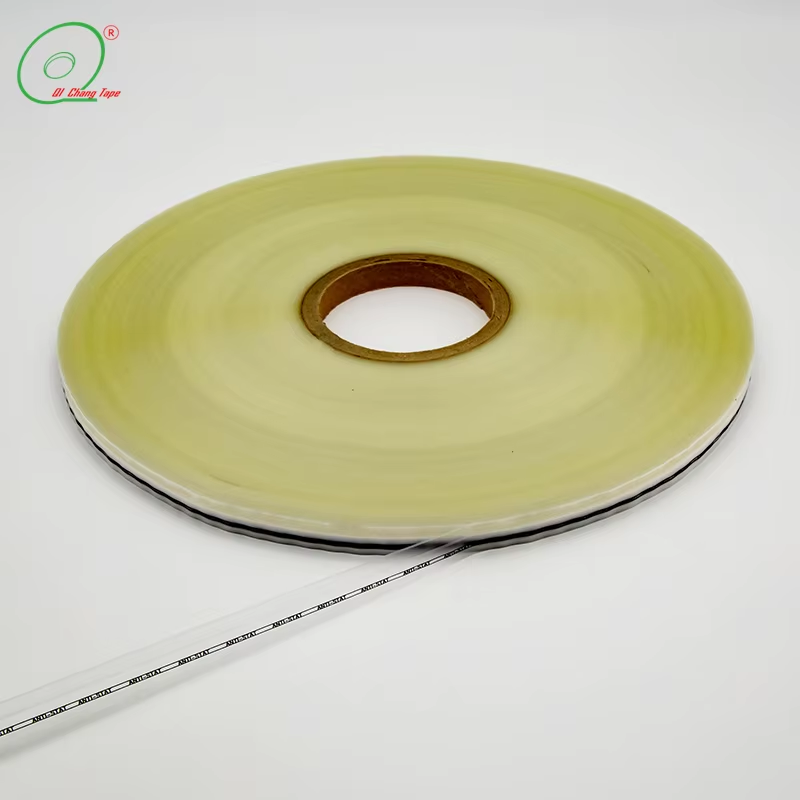
Pet film material represents a revolutionary advancement in polymer technology, serving as a versatile solution for countless industrial and commercial applications. This polyethylene terephthalate based material combines exceptional durability with remarkable flexibility, making it an indispensable component across multiple industries. The pet film material demonstrates outstanding chemical resistance, thermal stability, and mechanical strength that surpasses traditional plastic alternatives. Manufacturing processes involve sophisticated extrusion techniques that create uniform thickness and consistent quality throughout each roll. The material exhibits excellent optical clarity when transparency is required, while also offering options for opaque and colored variations to meet specific design requirements. Temperature tolerance ranges from negative forty to positive one hundred fifty degrees Celsius, ensuring reliable performance in extreme environmental conditions. Pet film material maintains dimensional stability under stress, preventing warping or distortion during processing and end-use applications. The surface characteristics can be modified through various treatments, including corona discharge, chemical etching, and coating applications to enhance adhesion properties. Barrier properties against moisture, oxygen, and other gases make pet film material particularly valuable in packaging applications where product protection is paramount. The material demonstrates exceptional tensile strength, typically exceeding 200 MPa, while maintaining flexibility that allows for complex forming operations. Electrical insulation properties make pet film material suitable for electronic applications, providing reliable dielectric strength and low dissipation factors. Environmental considerations favor pet film material due to its recyclability and reduced environmental impact compared to alternative materials. Quality control measures ensure consistent thickness tolerance, surface smoothness, and mechanical properties across production runs. The versatility of pet film material extends to applications ranging from food packaging and medical devices to automotive components and construction materials, demonstrating its adaptability to diverse industry requirements and performance specifications.

New Product Recommendations

Pet film material delivers exceptional value through its unique combination of performance characteristics that directly benefit end users across numerous applications. The material offers superior durability that extends product lifespan significantly compared to conventional alternatives, reducing replacement costs and maintenance requirements for businesses and consumers alike. Chemical resistance properties protect against degradation from acids, bases, solvents, and environmental contaminants, ensuring consistent performance throughout the product lifecycle. This resistance translates to reduced failure rates and improved reliability in critical applications where material integrity cannot be compromised. Temperature stability allows pet film material to function effectively across wide temperature ranges without compromising mechanical properties or dimensional accuracy. Users benefit from this thermal performance through reduced material waste, improved process efficiency, and enhanced end-product quality. The lightweight nature of pet film material reduces shipping costs, installation complexity, and structural support requirements while maintaining superior strength characteristics. Manufacturing processes become more efficient when using pet film material due to its excellent processability, consistent quality, and compatibility with standard production equipment. Cost savings emerge through reduced material consumption, lower processing temperatures, and decreased energy requirements during manufacturing operations. Safety benefits include non-toxic properties, reduced fire hazards, and compliance with international safety standards for food contact and medical applications. Pet film material provides excellent barrier protection against moisture, gases, and contaminants, preserving product quality and extending shelf life for packaged goods. The material's optical properties offer design flexibility with options for crystal clear transparency, controlled opacity, or custom coloration to meet aesthetic and functional requirements. Electrical insulation capabilities enable safe use in electronic applications while providing consistent dielectric performance across varying environmental conditions. Environmental advantages include complete recyclability, reduced carbon footprint during production, and compatibility with sustainable manufacturing practices. Quality consistency ensures predictable performance characteristics, reducing quality control costs and improving customer satisfaction. The versatility of pet film material allows manufacturers to consolidate supplier relationships while meeting diverse application requirements through a single material platform. Innovation potential remains high as ongoing research continues to expand the capabilities and applications of pet film material technology.

Tips And Tricks

How to Select the Right Adhesive Permanent Bag Sealing Tape for Your Application?

27

Nov

How to Select the Right Adhesive Permanent Bag Sealing Tape for Your Application?

Selecting the appropriate adhesive permanent bag sealing tape is a critical decision that impacts product integrity, operational efficiency, and customer satisfaction across numerous industrial applications. The right sealing solution ensures reliabl...
View More
How Does Permanent Bag Sealing Tape Improve Packaging Security?

19

Dec

How Does Permanent Bag Sealing Tape Improve Packaging Security?

In today's competitive marketplace, packaging security has become a critical concern for businesses across industries. From food manufacturers to pharmaceutical companies, organizations are constantly seeking reliable solutions to ensure their produc...
View More
How to Use OPP Resealable Sealing Tape for Efficient Bag Closure?

06

Jan

How to Use OPP Resealable Sealing Tape for Efficient Bag Closure?

OPP resealable sealing tape has revolutionized the packaging industry by providing an efficient, cost-effective solution for secure bag closures. This innovative tape technology combines the strength of oriented polypropylene with advanced adhesive p...
View More
What Are the Main Applications of Silicone Release Liner in Manufacturing?

06

Jan

What Are the Main Applications of Silicone Release Liner in Manufacturing?

Manufacturing industries worldwide rely heavily on specialized materials that enable efficient production processes while maintaining product quality. Among these essential materials, silicone release liners have emerged as indispensable components a...
View More

Get a Free Quote

Our representative will contact you soon.
Email
Name
Company Name
Message
0/1000

pet film material

Exceptional Chemical and Environmental Resistance

Exceptional Chemical and Environmental Resistance

Pet film material demonstrates unparalleled resistance to chemical degradation and environmental stress factors that commonly affect other polymer materials. This remarkable characteristic stems from the inherent molecular structure of polyethylene terephthalate, which provides exceptional stability against acids, bases, alcohols, oils, and most organic solvents. The material maintains its structural integrity when exposed to harsh cleaning chemicals, industrial processing fluids, and atmospheric pollutants that would typically cause deterioration in alternative materials. Temperature cycling, ultraviolet radiation exposure, and humidity variations have minimal impact on pet film material performance, ensuring consistent functionality across diverse environmental conditions. This resistance directly translates to extended service life, reduced maintenance requirements, and improved cost-effectiveness for end users. In food packaging applications, pet film material provides a reliable barrier against flavor migration, odor transmission, and chemical contamination while maintaining FDA approval for direct food contact. Medical and pharmaceutical industries benefit from the material's ability to withstand sterilization processes including gamma radiation, ethylene oxide treatment, and steam autoclaving without compromising barrier properties or mechanical strength. Industrial applications leverage this chemical resistance for protective films, gaskets, and sealing materials that must perform reliably in aggressive chemical environments. The material's stability prevents premature failure, reduces replacement costs, and minimizes downtime in critical applications. Quality assurance testing confirms that pet film material maintains its properties even after prolonged exposure to challenging conditions, providing confidence for long-term applications. Environmental stress crack resistance ensures that mechanical stress combined with chemical exposure does not compromise material performance, a common failure mode in other plastic materials. This comprehensive resistance profile makes pet film material the preferred choice for demanding applications where reliability cannot be compromised and where material failure would result in significant economic or safety consequences.

Superior Mechanical Strength and Flexibility

Superior Mechanical Strength and Flexibility

Pet film material combines exceptional tensile strength with remarkable flexibility, creating a unique performance profile that enables applications previously impossible with rigid materials. The material typically exhibits tensile strength values exceeding 200 MPa while maintaining elongation characteristics that allow for complex forming, folding, and shaping operations without cracking or failure. This mechanical versatility results from the semi-crystalline structure of pet film material, which provides both strength and flexibility through optimized molecular orientation during the manufacturing process. Impact resistance surpasses that of comparable thickness materials, providing protection against punctures, tears, and mechanical damage during handling and use. The material demonstrates excellent fatigue resistance, maintaining mechanical properties through repeated stress cycles that would cause failure in brittle alternatives. Processing advantages emerge from this flexibility, as pet film material can be thermoformed, laminated, printed, and converted using standard equipment without special handling requirements. Die-cutting operations produce clean edges without cracking, while folding and creasing maintain material integrity at stress concentration points. Tensile modulus values provide optimal stiffness for structural applications while allowing sufficient flexibility for conforming to irregular surfaces or accommodating thermal expansion. The material's ability to distribute stress evenly prevents localized failure points that commonly occur in rigid materials under mechanical load. Manufacturing benefits include reduced waste from processing damage, improved yield rates, and compatibility with high-speed production equipment. End-use applications leverage this mechanical performance for protective packaging that must withstand shipping stresses, flexible electronics substrates that bend without failure, and automotive components that accommodate vibration and thermal cycling. Quality control testing confirms consistent mechanical properties across production batches, ensuring predictable performance for critical applications. The combination of strength and flexibility enables innovative product designs that optimize material usage while maximizing performance characteristics. Long-term mechanical stability ensures that pet film material maintains its properties throughout the intended service life, providing reliable performance and customer satisfaction.
Optimal Barrier Properties and Thermal Stability

Optimal Barrier Properties and Thermal Stability

Pet film material exhibits outstanding barrier performance against moisture, gases, and aromatic compounds, making it essential for applications requiring product protection and preservation. The material's molecular structure creates an effective barrier that prevents water vapor transmission at rates significantly lower than polyethylene, polypropylene, and other common packaging materials. Oxygen barrier properties protect sensitive products from oxidative degradation, extending shelf life and maintaining quality for food, pharmaceutical, and electronic applications. The barrier effectiveness remains consistent across temperature ranges from negative forty to positive one hundred fifty degrees Celsius, ensuring reliable protection in both frozen storage and high-temperature processing environments. Thermal stability characteristics prevent dimensional changes, mechanical property degradation, and barrier performance loss when exposed to elevated temperatures during manufacturing or end-use conditions. This temperature resistance enables pet film material to withstand heat sealing, lamination, and sterilization processes without compromising performance or safety characteristics. The glass transition temperature of approximately eighty degrees Celsius provides mechanical stability at typical use temperatures while allowing processing flexibility at elevated temperatures. Crystallization behavior contributes to thermal stability by creating a more ordered molecular structure that resists thermal degradation and maintains barrier properties. Gas permeability selectivity allows controlled transmission rates for specific gases while blocking others, enabling applications such as modified atmosphere packaging for food products. The material's thermal expansion coefficient remains low compared to other polymers, minimizing dimensional changes that could affect fit, seal integrity, or optical properties. Processing windows remain wide due to thermal stability, allowing manufacturers flexibility in operating conditions while maintaining consistent quality output. Thermal cycling resistance ensures that repeated temperature variations do not cause material fatigue, cracking, or barrier property loss over time. Applications benefit from this thermal performance through improved process control, reduced defect rates, and enhanced end-product quality. The combination of barrier properties and thermal stability makes pet film material ideal for demanding applications where both protective performance and temperature resistance are required for successful product performance and customer satisfaction.
Inquiry Inquiry Email Email Whatsapp Whatsapp TopTop

Get a Free Quote

Our representative will contact you soon.
Email
Name
Company Name
Message
0/1000