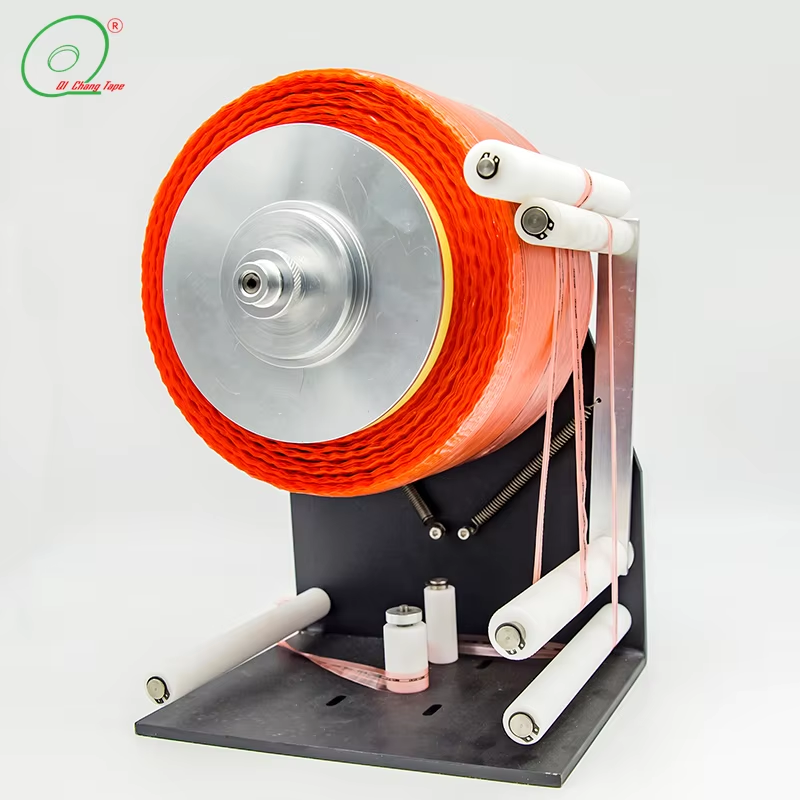
plastic pe film
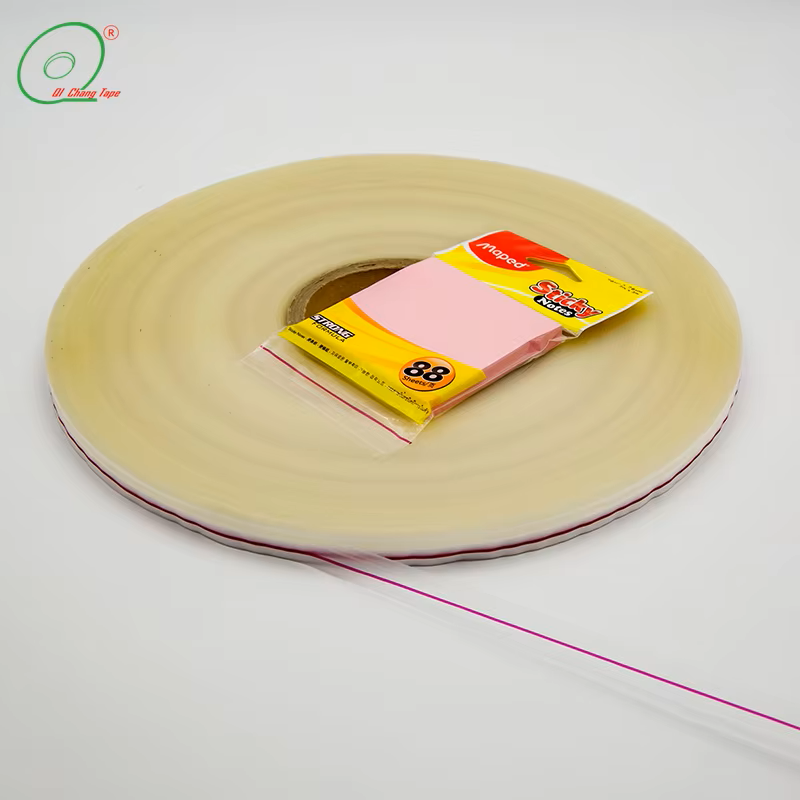
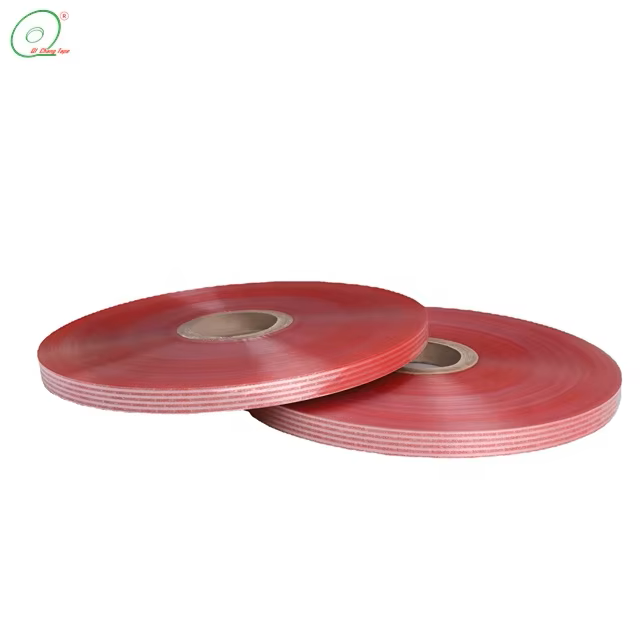
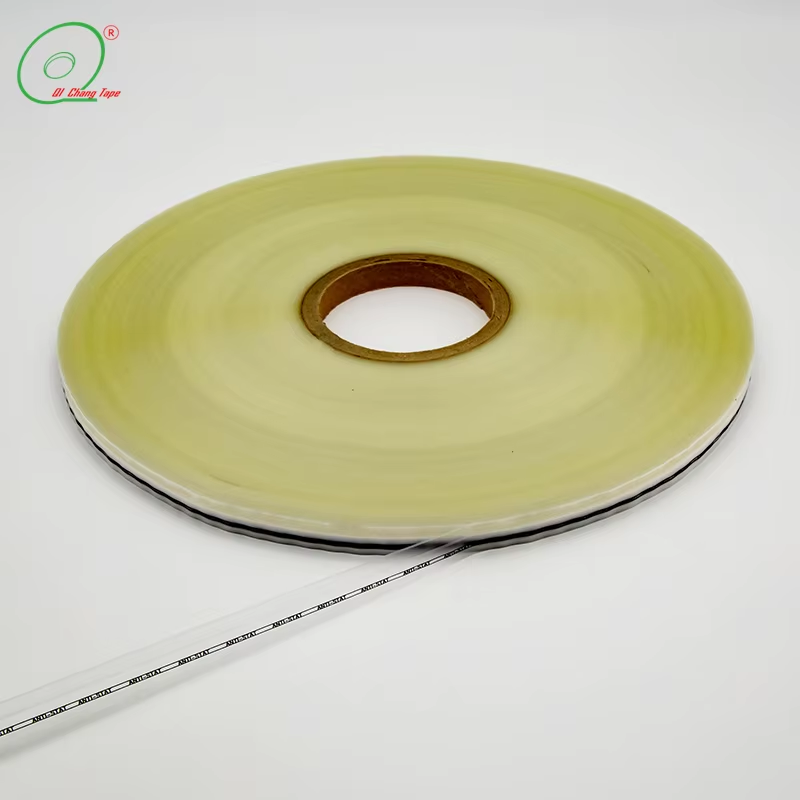
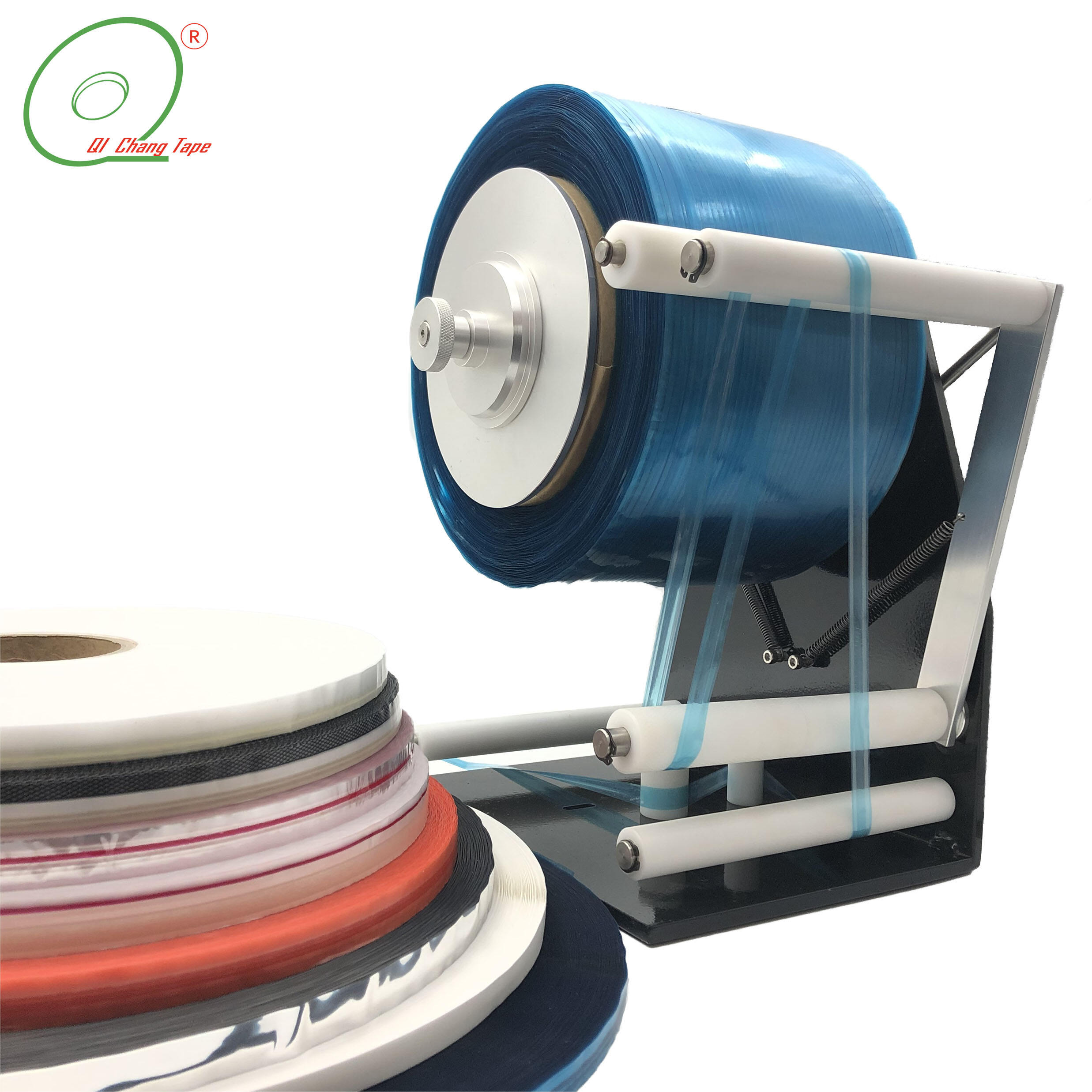
Plastic PE film represents a revolutionary advancement in flexible packaging and protective materials, serving as an essential component across numerous industries worldwide. PE film, manufactured from polyethylene polymer chains, delivers exceptional performance characteristics that make it indispensable for modern applications. This versatile material exhibits remarkable durability, flexibility, and chemical resistance, establishing itself as a preferred choice for packaging, construction, agriculture, and industrial applications. The manufacturing process involves sophisticated extrusion techniques that transform polyethylene resin into thin, uniform sheets with consistent thickness and superior mechanical properties. PE film demonstrates outstanding barrier properties against moisture, dust, and contaminants while maintaining excellent transparency and printability for branding purposes. The material's molecular structure provides inherent strength and tear resistance, ensuring reliable protection for packaged goods during transportation and storage. Modern PE film production incorporates advanced additive systems that enhance UV resistance, antistatic properties, and thermal stability, expanding its application scope significantly. The film's lightweight nature reduces shipping costs while delivering maximum protection efficiency, making it economically attractive for businesses seeking cost-effective packaging solutions. Environmental considerations drive continuous innovation in PE film technology, with manufacturers developing recyclable formulations and bio-based alternatives that maintain performance standards while reducing ecological impact. The versatility of plastic PE film extends to specialized applications including greenhouse covers, pond liners, vapor barriers, and food packaging, demonstrating its adaptability to diverse industry requirements. Quality control measures ensure consistent film properties, including tensile strength, elongation, and optical clarity, meeting stringent industry standards and customer specifications. The material's compatibility with various printing and converting processes enables customization for specific applications, supporting brand differentiation and functional requirements across multiple market segments.

 EN
EN