
 EN
EN
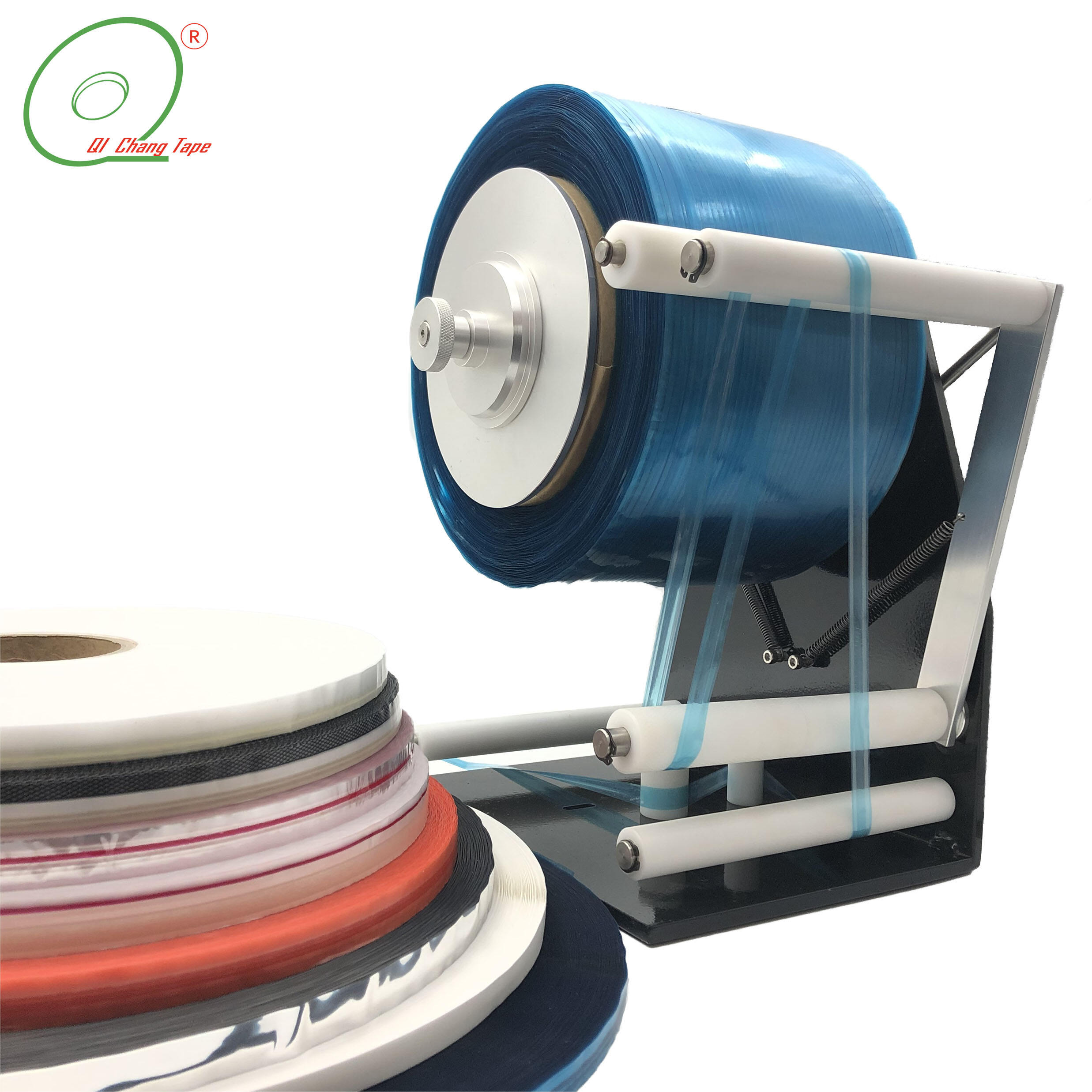
In today's competitive marketplace, packaging security has become a critical concern for businesses across industries. From food manufacturers to pharmaceutical companies, organizations are constantly seeking reliable solutions to ensure their products remain sealed, fresh, and tamper-evident throughout the supply chain. One of the most effective innovations addressing these challenges is permanent bag sealing tape, which offers superior adhesion properties and long-lasting performance compared to traditional sealing methods. This specialized adhesive solution transforms how companies approach packaging integrity, providing both security and cost-effectiveness that standard alternatives simply cannot match.
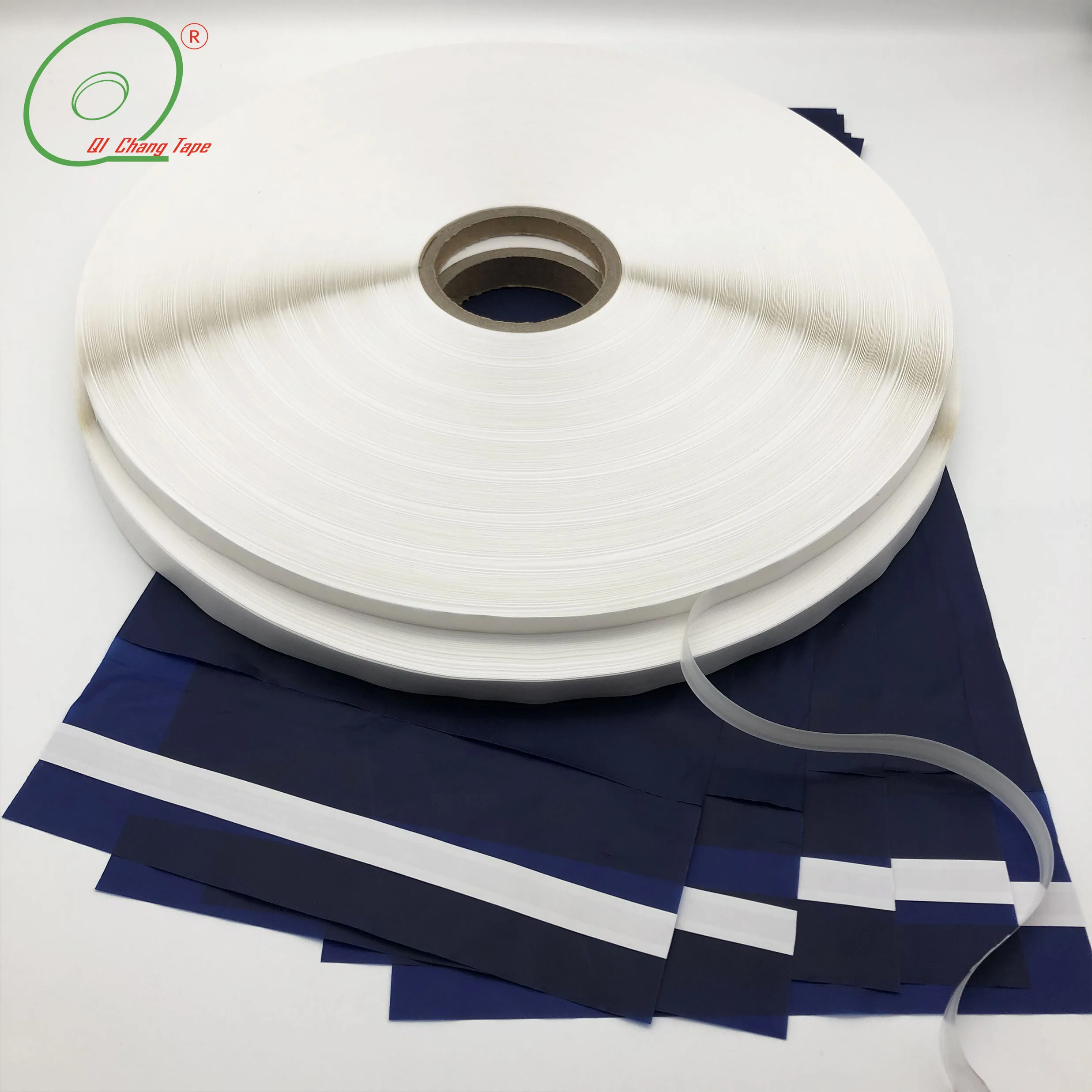
Understanding the Technology Behind Advanced Sealing Solutions
Adhesive Chemistry and Bonding Mechanisms
The effectiveness of permanent bag sealing tape lies in its sophisticated adhesive chemistry, which creates molecular bonds with packaging materials that strengthen over time. Unlike temporary adhesives that rely on mechanical adhesion, permanent sealing tapes utilize chemical adhesion through specialized polymer formulations. These formulations typically include acrylic-based compounds that penetrate the microscopic surface irregularities of packaging materials, creating an interlocked network that becomes increasingly difficult to remove without visible damage.
The bonding process begins immediately upon application but continues to develop strength for hours or even days after initial contact. This progressive bonding characteristic ensures that packages become more secure over time, making unauthorized access virtually impossible without clear evidence of tampering. The molecular-level interaction between the adhesive and substrate creates a permanent seal that maintains its integrity even under extreme environmental conditions, including temperature fluctuations, humidity changes, and mechanical stress.
Material Compatibility and Substrate Adhesion
Modern permanent bag sealing tape is engineered to bond effectively with a wide range of packaging substrates, including polyethylene, polypropylene, paper laminates, and composite materials. This versatility stems from carefully balanced adhesive formulations that can adapt to different surface energies and textures. Low-surface-energy materials like polyethylene, which traditionally resist adhesion, are successfully bonded through specialized primer treatments or modified adhesive chemistries that enhance wetting and penetration.
The tape's backing material also plays a crucial role in overall performance, with options ranging from clear films for aesthetic applications to reinforced materials for high-stress environments. Film thickness, tensile strength, and elongation properties are carefully engineered to complement the adhesive system, ensuring that the entire tape structure performs as an integrated sealing solution. This holistic approach to material design results in sealing systems that outperform individual components and provide reliable long-term performance across diverse packaging applications.
Security Features and Tamper-Evident Properties
Visual Tampering Detection Systems
One of the most valuable aspects of permanent bag sealing tape is its ability to provide immediate visual evidence of tampering attempts. When someone tries to remove or manipulate the tape, the permanent adhesive bond causes the backing material to tear, stretch, or delaminate in ways that cannot be easily concealed or reversed. This creates an irreversible change in the tape's appearance that serves as clear evidence of unauthorized access.
Advanced tamper-evident tapes incorporate additional security features such as void patterns, color-changing elements, or destructible materials that further enhance detection capabilities. Some formulations include special inks that react to solvents commonly used in tampering attempts, while others feature micro-perforations that cause the tape to fragment when removal is attempted. These multi-layered security approaches ensure that even sophisticated tampering methods leave detectable traces, providing peace of mind for manufacturers and end users alike.
Deterrent Effects and Psychological Security
Beyond its physical security properties, permanent bag sealing tape serves as a powerful psychological deterrent to potential tampering. The visible presence of professional-grade sealing tape signals to would-be tamperers that the package is protected and monitored, often discouraging unauthorized access attempts before they begin. This deterrent effect is particularly valuable in retail environments where products may be handled by multiple individuals before reaching consumers.
The professional appearance and obvious permanence of high-quality sealing tape also enhance consumer confidence in product integrity. Customers recognize the investment in security measures and associate it with higher product quality and manufacturer commitment to safety. This psychological benefit extends beyond pure security considerations, contributing to brand reputation and customer loyalty in markets where trust and reliability are paramount considerations for purchasing decisions.
Applications Across Industries and Use Cases
Food and Beverage Packaging Security
The food and beverage industry represents one of the largest markets for permanent bag sealing tape applications, where product safety and regulatory compliance drive demanding security requirements. Food manufacturers utilize these sealing solutions to protect products from contamination, maintain freshness, and comply with traceability regulations that require tamper-evident packaging. The tape's ability to maintain seal integrity throughout cold chain distribution and temperature cycling makes it particularly valuable for perishable goods and frozen products.
Restaurant and food service operations also benefit from permanent sealing tape for delivery and takeout applications, where maintaining food temperature and preventing contamination during transport are critical concerns. The tape provides visible assurance to customers that their orders have not been accessed or compromised during delivery, addressing growing consumer expectations for food safety in delivery services. Additionally, the permanent nature of the seal helps preserve optimal food temperature by preventing heat loss through packaging gaps or loose closures.
Pharmaceutical and Medical Device Protection
Pharmaceutical packaging presents unique challenges that make permanent bag sealing tape an essential component of product security strategies. Regulatory requirements for drug safety and anti-counterfeiting measures necessitate packaging solutions that provide clear evidence of any tampering attempts. The tape's permanent adhesion properties ensure that once applied, removal attempts will result in visible damage that cannot be concealed, protecting both patient safety and regulatory compliance.
Medical device manufacturers rely on permanent sealing tape to maintain sterility and product integrity throughout distribution and storage. The tape's resistance to sterilization processes, including gamma radiation and ethylene oxide treatment, makes it suitable for critical medical applications where contamination could have serious consequences. Its ability to maintain adhesion properties across wide temperature ranges also supports cold chain requirements for temperature-sensitive pharmaceuticals and biologics.
Performance Advantages Over Alternative Sealing Methods
Durability and Environmental Resistance
Permanent bag sealing tape demonstrates superior performance compared to heat sealing, mechanical closures, and temporary adhesive solutions across multiple environmental conditions. While heat-sealed packages can fail due to seal contamination or inadequate sealing parameters, permanent tape maintains consistent performance regardless of surface conditions at application. The tape's resistance to UV degradation, moisture exposure, and chemical contact ensures long-term reliability in challenging storage and distribution environments.
Temperature cycling, which can cause thermal expansion and contraction in packaging materials, often compromises traditional sealing methods through stress concentration and fatigue failure. Permanent sealing tape accommodates these dimensional changes through its flexible backing material and elastic adhesive properties, maintaining seal integrity throughout temperature variations. This resilience translates to reduced product loss, fewer customer complaints, and lower warranty costs for manufacturers operating in diverse climatic conditions.
Cost-Effectiveness and Operational Efficiency
The economic advantages of permanent bag sealing tape extend beyond initial material costs to encompass reduced labor requirements, simplified quality control processes, and decreased rework expenses. Unlike heat sealing operations that require specialized equipment, temperature control, and operator training, tape application can be accomplished with minimal equipment investment and reduced setup time. This simplicity enables smaller manufacturers to implement professional-grade sealing solutions without significant capital expenditures.
Quality control benefits include consistent sealing performance that reduces statistical variation in packaging operations and simplified inspection procedures that focus on visual tape placement rather than complex seal strength testing. The immediate bond formation of permanent tape eliminates cooling time requirements common in heat sealing, increasing packaging line throughput and operational efficiency. These operational advantages accumulate over time, resulting in substantial cost savings and improved manufacturing productivity.
Installation and Application Best Practices
Surface Preparation and Environmental Conditions
Achieving optimal performance from permanent bag sealing tape requires attention to surface preparation and application environment conditions. Clean, dry surfaces free from dust, oils, or residual adhesives provide the best foundation for permanent bonding. Surface cleaning with appropriate solvents removes contaminants that could interfere with adhesive contact, while avoiding harsh chemicals that might damage packaging materials or leave residues affecting bond formation.
Temperature and humidity conditions during application significantly influence initial bond formation and long-term adhesion performance. Most permanent sealing tapes perform optimally when applied at room temperature with moderate humidity levels, allowing proper adhesive flow and wetting of the substrate surface. Cold application conditions may require longer dwell times for full bond development, while excessive heat can cause premature adhesive curing that reduces conformability and bond strength.
Application Techniques and Quality Control
Proper application technique involves consistent pressure application across the entire tape width to ensure uniform contact and eliminate air bubbles that could compromise seal integrity. Rolling or smoothing tools help achieve even pressure distribution and improve conformance to irregular surfaces or packaging seams. The application speed should allow adequate time for adhesive wetting while maintaining production efficiency requirements.
Quality control procedures should include visual inspection for complete tape contact, absence of wrinkles or air entrapment, and proper alignment with package seams or closure areas. Periodic bond strength testing using standardized test methods helps verify that application procedures are producing consistent results and that environmental conditions remain within acceptable ranges. Documentation of application parameters and test results supports quality system requirements and enables continuous improvement of packaging processes.
FAQ
How long does permanent bag sealing tape maintain its adhesion strength?
Permanent bag sealing tape is designed to maintain its adhesion strength indefinitely under normal storage and handling conditions. The adhesive chemistry creates molecular bonds that actually strengthen over time, reaching full bond strength within 24-48 hours after application. Environmental factors such as extreme temperatures, UV exposure, or chemical contact may affect long-term performance, but properly selected tape formulations can maintain effective sealing for years under typical packaging conditions. Manufacturers typically provide aging test data demonstrating adhesion retention over extended periods to support specific application requirements.
Can permanent bag sealing tape be removed without damaging the package?
By design, permanent bag sealing tape cannot be removed cleanly without visible evidence of tampering, which is precisely what makes it effective for security applications. Removal attempts will typically result in tape tearing, substrate damage, or adhesive residue that clearly indicates the package has been opened. This irreversible change is a feature rather than a limitation, providing tamper-evident protection that serves as both a deterrent and detection mechanism. For applications requiring removable sealing, alternative tape formulations with repositionable or removable adhesives are available.
What surface types are compatible with permanent bag sealing tape?
Modern permanent bag sealing tape formulations are engineered to bond effectively with most common packaging materials, including polyethylene, polypropylene, paper, cardboard, and various plastic films. Low-surface-energy materials like untreated polyethylene may require special adhesive formulations or surface preparation to achieve optimal bonding. The tape manufacturer's technical data sheets provide specific compatibility information for different substrates, and testing on actual packaging materials is recommended to verify performance under specific application conditions. Surface texture, contamination, and environmental factors all influence bonding effectiveness.
Does permanent bag sealing tape affect recycling or disposal of packages?
The impact of permanent bag sealing tape on recycling depends on the specific tape and packaging materials involved. Many tape formulations use adhesives and backing materials that are compatible with standard recycling processes for the primary packaging material. However, the presence of adhesive residue may require additional processing steps in some recycling operations. Manufacturers increasingly offer environmentally friendly tape options using bio-based adhesives or recyclable backing materials to minimize environmental impact. For critical sustainability applications, consultation with both tape suppliers and local recycling facilities helps ensure compatibility with waste management systems.