
 EN
EN
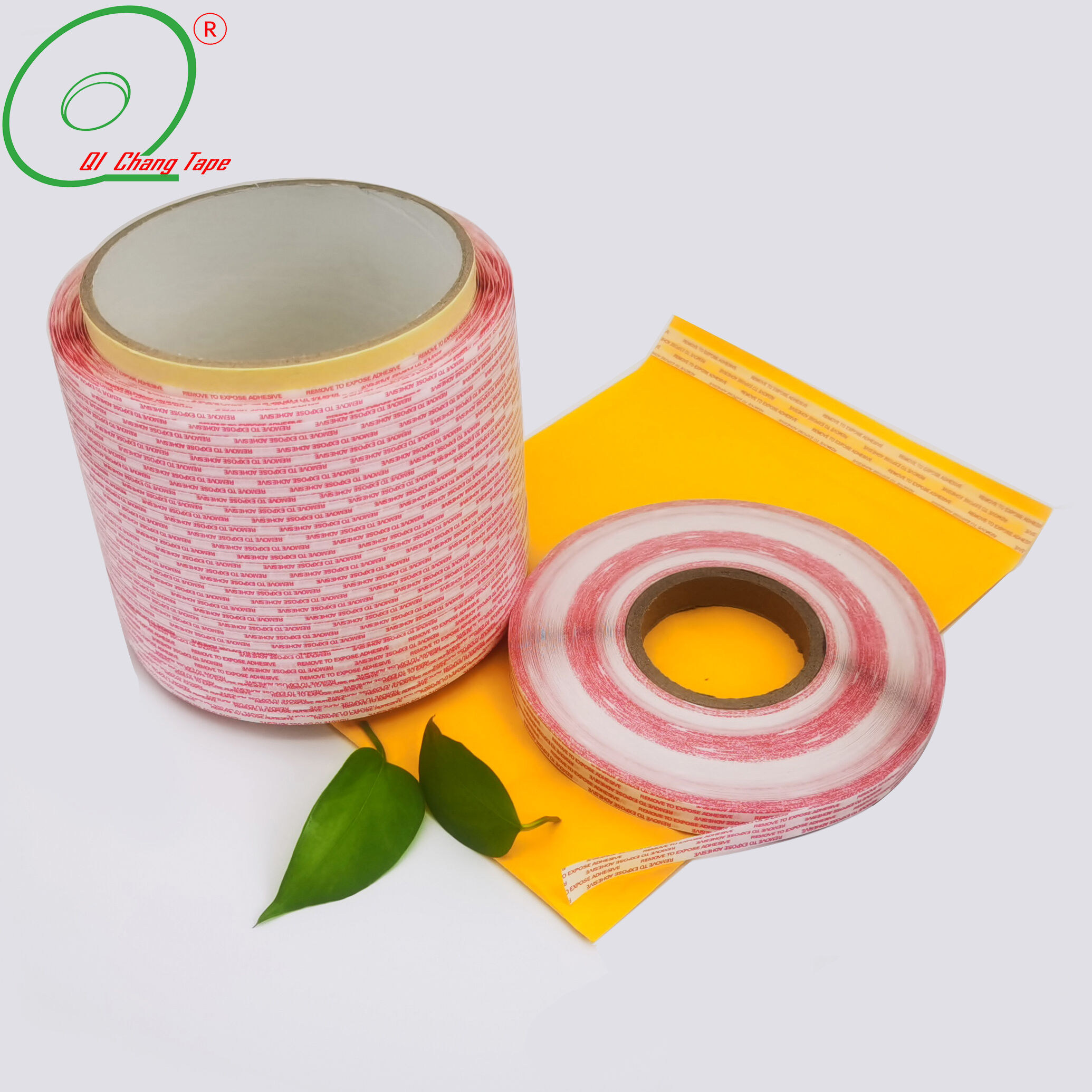
Selecting the appropriate adhesive permanent bag sealing tape is a critical decision that impacts product integrity, operational efficiency, and customer satisfaction across numerous industrial applications. The right sealing solution ensures reliable closure performance while maintaining cost-effectiveness and meeting specific environmental requirements. Understanding the technical specifications, application parameters, and performance characteristics of different tape formulations enables manufacturers and packaging professionals to make informed decisions that optimize their sealing processes.
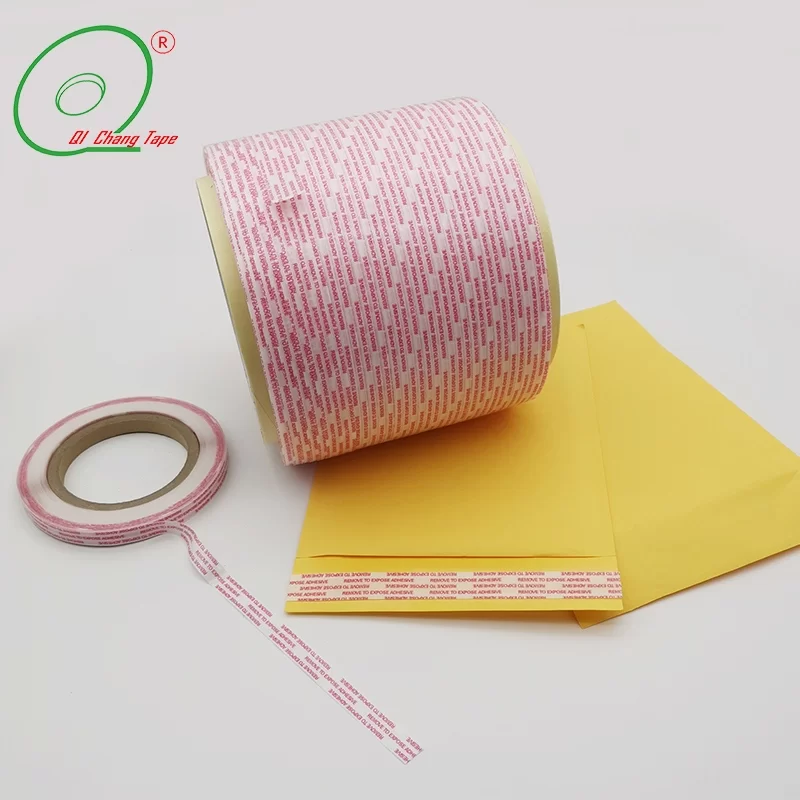
Understanding Adhesive Permanent Bag Sealing Tape Fundamentals
Core Components and Material Science
The foundation of effective bag sealing lies in understanding the three primary components that comprise quality sealing tapes. The backing material, typically made from paper, film, or fabric substrates, provides structural integrity and determines the tape's handling characteristics during application. The adhesive layer represents the functional heart of the product, engineered to create permanent bonds with specific substrate materials under defined conditions. Finally, the release liner facilitates easy unwinding and precise application while protecting the adhesive during storage and transport.
Material compatibility plays a crucial role in achieving optimal sealing performance across different packaging applications. Polyethylene and polypropylene films require different adhesive chemistries compared to paper-based substrates, kraft materials, or coated surfaces. Understanding these compatibility requirements prevents premature seal failure, ensures consistent bond strength, and maintains the integrity of packaged contents throughout the distribution cycle.
Adhesive Chemistry and Performance Characteristics
Modern sealing tapes utilize various adhesive technologies, each engineered for specific performance requirements and application environments. Acrylic-based formulations offer excellent UV resistance, temperature stability, and long-term aging characteristics, making them ideal for outdoor applications or products requiring extended shelf life. Rubber-based adhesives provide superior initial tack and conformability, enabling effective bonding to irregular surfaces and challenging substrate combinations.
The curing mechanism of permanent adhesives involves both immediate tack development and progressive bond strengthening over time. Initial adhesion occurs through molecular contact and van der Waals forces, while ultimate bond strength develops through adhesive flow, substrate penetration, and chemical cross-linking processes. This progressive bonding characteristic explains why properly sealed packages demonstrate increased tamper resistance and improved seal integrity after initial application.
Critical Selection Factors for Industrial Applications
Environmental Performance Requirements
Temperature resistance represents a fundamental selection criterion for adhesive permanent bag sealing tape in industrial environments. Applications involving cold storage, frozen food packaging, or refrigerated distribution require tapes that maintain adhesive properties and flexibility at sub-zero temperatures. Conversely, products exposed to elevated temperatures during transportation, sterilization processes, or tropical climates demand heat-resistant formulations that prevent adhesive softening, migration, or bond failure.
Moisture and humidity resistance becomes particularly critical in food packaging, pharmaceutical applications, and outdoor storage scenarios. High-performance sealing tapes incorporate barrier properties that prevent water vapor transmission while maintaining consistent adhesive performance under varying humidity conditions. This moisture resistance extends beyond the tape itself to include protection of package contents from environmental contamination and quality degradation.
Substrate Compatibility and Surface Preparation
Successful tape selection requires careful evaluation of substrate surface characteristics, including surface energy, texture, cleanliness, and chemical composition. Low surface energy materials like polyethylene films challenge adhesive bonding and may require specialized primer treatments or high-energy adhesive formulations. Conversely, high-energy surfaces such as aluminum foils, glass, or treated plastics typically accept a broader range of adhesive chemistries with excellent bond development.
Surface preparation protocols significantly impact sealing performance and should be integrated into tape selection considerations. Dust, oils, release agents, and other surface contaminants can compromise adhesive contact and reduce bond strength. Establishing appropriate cleaning procedures, surface treatment methods, and quality control protocols ensures consistent sealing performance across production runs and minimizes the risk of seal failure in finished packages.
Application-Specific Performance Considerations
Mechanical Stress and Load Requirements
Package handling, transportation stresses, and internal product pressures create mechanical loads that challenge seal integrity throughout the distribution cycle. Adhesive permanent bag sealing tape must demonstrate sufficient shear strength, peel resistance, and tensile properties to withstand these operational demands without compromising package security or contents protection.
Dynamic loading conditions, such as vibration during transportation or thermal cycling in storage facilities, require tapes with excellent fatigue resistance and dimensional stability. Products that experience repeated stress cycling benefit from adhesive formulations that maintain elastic properties and resist crack propagation under repeated loading conditions. Understanding these mechanical requirements enables selection of tapes with appropriate reinforcement characteristics and adhesive flexibility.
Chemical Resistance and Product Safety
Chemical compatibility between sealing tapes and packaged contents requires careful evaluation, particularly in pharmaceutical, food, and chemical applications. Adhesive migration, plasticizer extraction, or chemical degradation can compromise product quality and create safety concerns. Selecting tapes with appropriate chemical resistance properties and regulatory compliance certifications ensures product integrity and meets industry safety standards.
Regulatory requirements vary significantly across industries and geographic markets, necessitating careful attention to compliance specifications during tape selection. Food contact applications require materials that meet FDA regulations and food safety standards, while pharmaceutical packaging may demand USP Class VI certification or other specialized compliance requirements. Understanding these regulatory frameworks prevents costly compliance issues and ensures market acceptance of finished products.
Quality Control and Testing Protocols
Performance Validation Methods
Comprehensive testing protocols validate tape performance under actual application conditions and provide confidence in selection decisions. Peel strength testing quantifies the force required to remove tape from substrates, while shear strength measurements evaluate resistance to sliding forces. Temperature cycling tests simulate real-world environmental conditions and identify potential failure modes before production implementation.
Accelerated aging studies predict long-term performance characteristics and help establish appropriate shelf life recommendations for sealed packages. These tests expose tape samples to elevated temperatures, humidity, and UV radiation to simulate extended storage conditions in compressed timeframes. Results from accelerated testing inform selection decisions for applications requiring extended shelf life or challenging storage environments.
Process Optimization and Quality Assurance
Implementation of statistical process control methods ensures consistent sealing quality and identifies process variations that may impact seal performance. Regular monitoring of application parameters, including tape tension, substrate cleanliness, and environmental conditions, maintains optimal sealing conditions and prevents quality deviations. Establishing control limits and corrective action protocols minimizes the risk of seal failure and maintains customer satisfaction.
Training programs for production personnel ensure proper tape handling, application techniques, and quality assessment procedures. Understanding the relationship between application parameters and seal performance enables operators to recognize potential issues and implement corrective actions before quality problems occur. This proactive approach reduces waste, improves efficiency, and maintains consistent product quality throughout production runs.
Cost Optimization and Supply Chain Management
Total Cost of Ownership Analysis
Effective tape selection extends beyond initial material costs to encompass total cost of ownership considerations, including application labor, equipment requirements, waste generation, and potential failure costs. Higher-performance tapes may justify premium pricing through improved productivity, reduced application time, or enhanced reliability that minimizes costly package failures and customer complaints.
Inventory management strategies should balance material costs with operational flexibility and supply chain security. Consolidating tape specifications across multiple applications simplifies procurement, reduces inventory complexity, and may enable volume pricing advantages. However, standardization must not compromise performance requirements or create application limitations that impact product quality or operational efficiency.
Supplier Partnership and Technical Support
Establishing partnerships with knowledgeable tape suppliers provides access to technical expertise, application support, and product development resources that enhance selection decisions and optimize performance. Suppliers with strong technical capabilities can provide customized solutions, conduct application testing, and offer training programs that improve implementation success and long-term performance.
Supply chain reliability becomes increasingly important as packaging operations grow and market demands intensify. Evaluating supplier financial stability, manufacturing capabilities, and geographic coverage ensures consistent material availability and minimizes the risk of supply disruptions. Developing relationships with multiple qualified suppliers provides flexibility and negotiating leverage while maintaining quality standards and performance requirements.
FAQ
What factors determine the appropriate adhesive strength for permanent bag sealing applications
Adhesive strength requirements depend on package size, contents weight, handling conditions, and environmental exposure throughout the distribution cycle. Heavy or bulky products require higher shear strength to prevent seal failure under load, while delicate items may benefit from controlled adhesion that prevents substrate damage during handling. Environmental factors such as temperature variations, humidity, and UV exposure also influence the required adhesive performance characteristics.
How does substrate surface preparation impact sealing tape performance
Surface preparation significantly affects bond development and long-term seal integrity. Clean, dry surfaces promote optimal adhesive contact and maximize bond strength, while contaminated surfaces can reduce adhesion by up to 50% or more. Proper cleaning procedures, surface treatment methods, and quality control protocols ensure consistent sealing performance and minimize the risk of premature seal failure in finished packages.
What environmental conditions should be considered when selecting sealing tapes
Temperature extremes, humidity variations, UV exposure, and chemical environments all impact tape performance and selection criteria. Cold storage applications require tapes that maintain flexibility and adhesion at low temperatures, while heat exposure demands thermal stability and resistance to adhesive softening. Outdoor applications need UV resistance to prevent degradation, and chemical environments require compatibility testing to ensure long-term performance and safety.
How can manufacturers optimize costs while maintaining sealing performance requirements
Cost optimization involves analyzing total cost of ownership rather than focusing solely on material prices. Higher-performance tapes may reduce application labor, minimize waste, and prevent costly package failures that justify premium pricing. Standardizing specifications across applications, optimizing inventory levels, and developing strong supplier partnerships can also reduce costs while maintaining quality standards and operational flexibility.
Table of Contents
- Understanding Adhesive Permanent Bag Sealing Tape Fundamentals
- Critical Selection Factors for Industrial Applications
- Application-Specific Performance Considerations
- Quality Control and Testing Protocols
- Cost Optimization and Supply Chain Management
-
FAQ
- What factors determine the appropriate adhesive strength for permanent bag sealing applications
- How does substrate surface preparation impact sealing tape performance
- What environmental conditions should be considered when selecting sealing tapes
- How can manufacturers optimize costs while maintaining sealing performance requirements