
 EN
EN
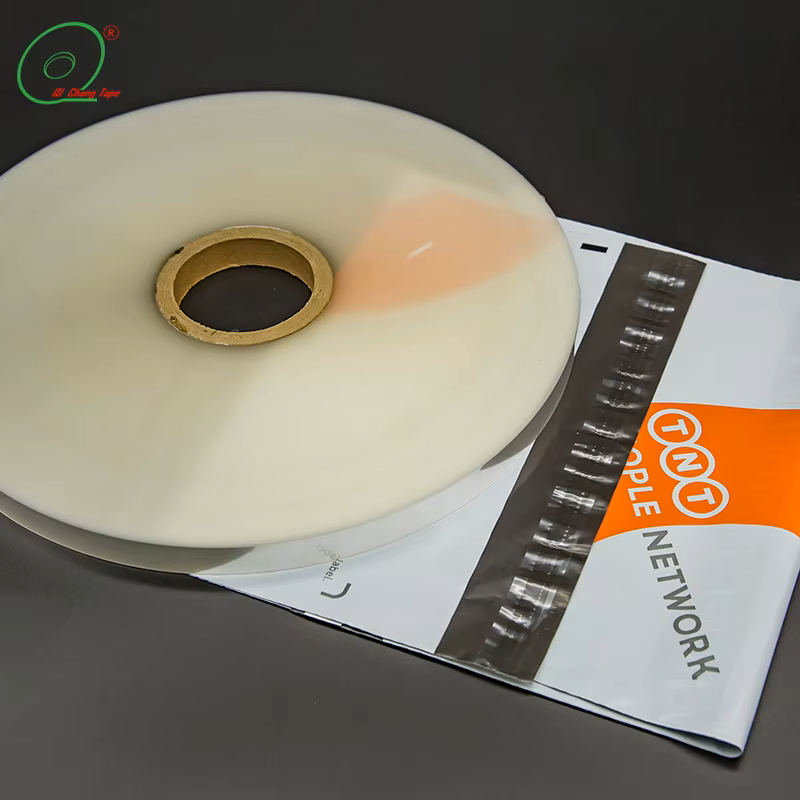
Manufacturing industries worldwide rely heavily on specialized materials that enable efficient production processes while maintaining product quality. Among these essential materials, silicone release liners have emerged as indispensable components across diverse manufacturing sectors. These engineered substrates provide controlled release properties that facilitate the handling, processing, and application of adhesive materials, making them crucial for modern industrial operations.
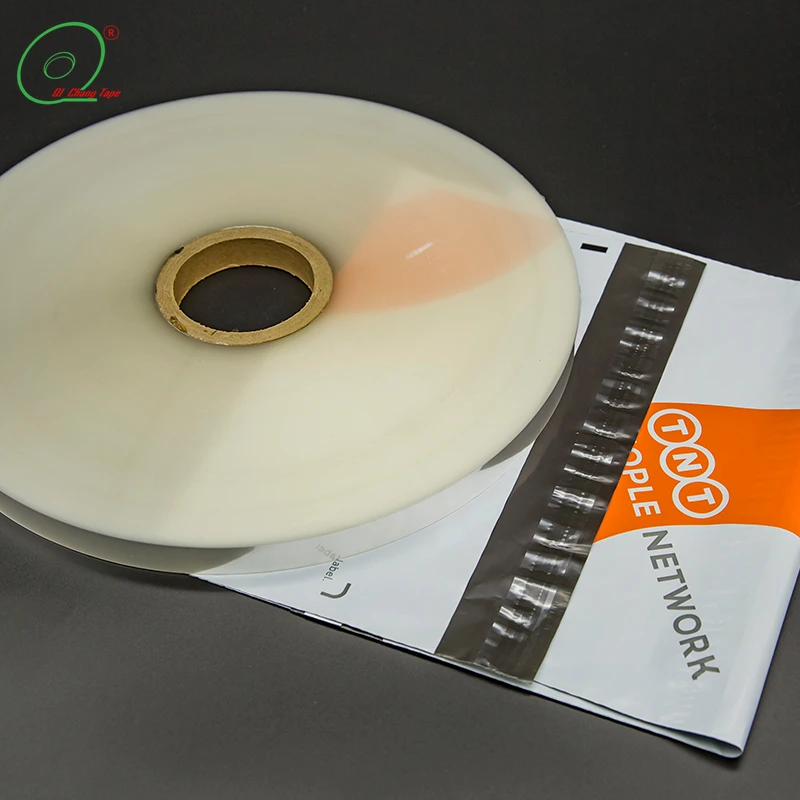
The versatility of silicone release technology extends beyond simple release applications, encompassing complex manufacturing processes that require precise control over adhesion and separation forces. Manufacturing professionals increasingly recognize the value of incorporating high-quality release liners into their production workflows to achieve consistent results and minimize waste. Understanding the primary applications of silicone release materials enables manufacturers to optimize their processes and select appropriate solutions for specific industrial requirements.
Automotive Manufacturing Applications
Interior Component Production
Automotive interior manufacturing extensively utilizes silicone release systems for producing various components including dashboard panels, seat covers, and trim elements. The controlled release properties ensure that adhesive-backed materials can be accurately positioned during assembly while maintaining their bonding integrity. Silicone release technology enables manufacturers to create complex curved surfaces and intricate designs that characterize modern vehicle interiors.
Premium automotive manufacturers particularly value the consistent release characteristics that silicone-coated substrates provide during the lamination of decorative films and functional materials. These applications require precise timing and positioning, making reliable release performance essential for maintaining production efficiency and quality standards.
External Body Panel Processing
The production of automotive exterior components involves multiple silicone release applications, particularly in the manufacturing of protective films and adhesive tapes used during painting and assembly processes. These materials must withstand harsh environmental conditions while providing clean removal without residue or surface damage.
Advanced silicone release formulations enable automotive manufacturers to achieve superior surface finishes while protecting critical components during various manufacturing stages. The temperature resistance and chemical stability of silicone release systems make them ideal for automotive applications that involve elevated processing temperatures and exposure to solvents or other chemicals.
Electronics and Technology Manufacturing
Semiconductor Processing
The semiconductor industry relies heavily on Silicone Release technology for die-cutting applications, wafer processing, and component handling. Clean room environments demand materials that minimize contamination while providing reliable release performance. Silicone release liners facilitate the precise handling of delicate electronic components without compromising their functionality or integrity.
Manufacturing processes for flexible printed circuits and electronic displays benefit significantly from the controlled adhesion properties that silicone release materials provide. These applications require exceptional dimensional stability and low outgassing characteristics to prevent interference with sensitive electronic components.
Display and Screen Manufacturing
Modern display manufacturing processes incorporate silicone release technology at multiple production stages, from protective film application to final assembly procedures. The optical clarity and surface smoothness of specialized silicone release liners enable manufacturers to produce high-quality displays without optical distortions or surface defects.
Touch screen production particularly benefits from silicone release applications that facilitate the precise lamination of conductive layers and protective films. These processes require materials that maintain their release properties under various temperature and humidity conditions while providing consistent performance throughout extended production runs.
Medical Device and Pharmaceutical Applications
Medical Adhesive Products
Medical device manufacturing extensively utilizes silicone release technology for producing various adhesive products including wound dressings, surgical tapes, and transdermal drug delivery systems. The biocompatibility and chemical inertness of silicone release materials make them suitable for applications involving direct or indirect contact with biological tissues.
Pharmaceutical manufacturers require silicone release systems that meet stringent regulatory requirements while providing consistent release performance throughout product shelf life. These applications demand materials that maintain their properties under sterilization conditions and various storage environments.
Diagnostic and Laboratory Equipment
Laboratory equipment manufacturing incorporates silicone release technology in the production of sample collection devices, diagnostic strips, and analytical consumables. These applications require materials that do not interfere with biological or chemical assays while providing reliable handling characteristics.
The manufacturing of microfluidic devices and lab-on-chip systems benefits from the precise release control that silicone technology provides. These sophisticated applications demand exceptional surface quality and dimensional accuracy that specialized silicone release materials can deliver.
Packaging Industry Applications
Flexible Packaging Production
The flexible packaging industry extensively employs silicone release technology for manufacturing various types of packaging materials including food containers, pharmaceutical blister packs, and industrial protective packaging. Silicone release systems enable manufacturers to produce packaging materials with controlled opening forces and consistent performance characteristics.
Food packaging applications particularly benefit from the chemical stability and temperature resistance of silicone release materials. These properties ensure that packaging integrity is maintained throughout various processing conditions including heat sealing, sterilization, and cold storage applications.
Label and Tape Manufacturing
Commercial label production relies heavily on silicone release technology to enable easy removal of labels from liner materials during application processes. The manufacturing of pressure-sensitive adhesive tapes incorporates silicone release systems that provide consistent unwinding characteristics and reliable adhesive protection.
Industrial tape applications require silicone release materials that maintain their properties under extreme environmental conditions while providing predictable release forces. These applications often involve exposure to chemicals, temperature variations, and mechanical stress that demand robust silicone release performance.
Textile and Apparel Manufacturing
Technical Textile Production
Technical textile manufacturing incorporates silicone release technology in various applications including the production of protective fabrics, composite materials, and specialty textiles. These applications benefit from the thermal stability and chemical resistance that silicone release systems provide during high-temperature processing and chemical treatment operations.
Composite textile manufacturing particularly values the controlled release properties that enable precise fiber placement and resin impregnation processes. Silicone release materials facilitate the production of advanced composite structures used in aerospace, automotive, and industrial applications.
Fashion and Apparel Applications
Fashion industry applications utilize silicone release technology for producing various decorative elements, heat transfer materials, and protective films used in garment manufacturing. These applications require materials that provide clean release without affecting fabric appearance or performance characteristics.
The manufacturing of specialized apparel including sportswear and protective clothing benefits from silicone release systems that enable the application of functional coatings and adhesive materials. These processes often involve elevated temperatures and pressures that demand reliable silicone release performance.
Construction and Building Materials
Sealant and Adhesive Manufacturing
Construction material manufacturing extensively utilizes silicone release technology for producing various sealants, adhesives, and weatherproofing materials. Silicone release systems enable manufacturers to create products with consistent performance characteristics while facilitating efficient production processes.
The production of structural adhesives and high-performance sealants benefits from silicone release materials that maintain their properties under challenging environmental conditions. These applications often involve exposure to UV radiation, temperature cycling, and chemical exposure that require robust release performance.
Roofing and Waterproofing Materials
Roofing material manufacturing incorporates silicone release technology in the production of membrane systems, protective films, and installation aids. These applications require materials that provide reliable performance under outdoor exposure conditions while maintaining their release characteristics throughout extended service life.
Waterproofing material production particularly benefits from the moisture resistance and chemical stability of silicone release systems. These properties ensure that release performance is maintained even under high humidity conditions and exposure to various building chemicals.
Industrial Manufacturing Processes
Composite Material Production
Advanced composite manufacturing relies on silicone release technology for producing various structural components used in aerospace, marine, and industrial applications. The high-temperature stability and chemical resistance of silicone release materials make them ideal for processes involving elevated cure temperatures and aggressive chemical environments.
Carbon fiber and fiberglass composite production particularly benefits from the smooth release characteristics that silicone technology provides. These applications require materials that do not interfere with resin systems while providing reliable mold release performance throughout multiple production cycles.
Molding and Forming Applications
Industrial molding operations incorporate silicone release technology for various forming processes including compression molding, transfer molding, and casting applications. Silicone release systems enable manufacturers to achieve superior surface finishes while minimizing mold maintenance requirements.
Rubber and plastic molding applications particularly value the durability and consistency that silicone release materials provide. These processes often involve repetitive cycles and challenging processing conditions that demand reliable release performance and extended service life.
FAQ
What factors determine the selection of silicone release materials for specific manufacturing applications
Selection of silicone release materials depends on several critical factors including processing temperature requirements, chemical compatibility with production materials, required release force characteristics, and environmental exposure conditions. Manufacturing engineers must also consider substrate compatibility, production volume requirements, and regulatory compliance needs when specifying silicone release systems for specific applications.
How do silicone release properties affect manufacturing efficiency and product quality
Silicone release properties directly impact manufacturing efficiency by enabling consistent processing speeds, reducing material waste, and minimizing production downtime. Superior release characteristics contribute to product quality by preventing surface defects, ensuring dimensional accuracy, and maintaining material integrity throughout manufacturing processes. Proper selection and application of silicone release technology can significantly improve overall production performance.
What are the key performance characteristics of high-quality silicone release systems
High-quality silicone release systems exhibit consistent release force characteristics, excellent temperature stability, superior chemical resistance, and minimal migration properties. These materials should provide reliable performance throughout extended production runs while maintaining their release characteristics under various environmental conditions. Additionally, premium silicone release systems offer excellent substrate adhesion and minimal impact on downstream processing operations.
How do environmental conditions affect silicone release performance in manufacturing applications
Environmental conditions including temperature, humidity, and chemical exposure significantly influence silicone release performance. Temperature variations can affect release force characteristics and material flexibility, while humidity levels may impact substrate adhesion and release consistency. Chemical exposure can potentially alter silicone properties and affect long-term performance, making proper material selection crucial for specific environmental conditions.
Table of Contents
- Automotive Manufacturing Applications
- Electronics and Technology Manufacturing
- Medical Device and Pharmaceutical Applications
- Packaging Industry Applications
- Textile and Apparel Manufacturing
- Construction and Building Materials
- Industrial Manufacturing Processes
-
FAQ
- What factors determine the selection of silicone release materials for specific manufacturing applications
- How do silicone release properties affect manufacturing efficiency and product quality
- What are the key performance characteristics of high-quality silicone release systems
- How do environmental conditions affect silicone release performance in manufacturing applications