
 EN
EN
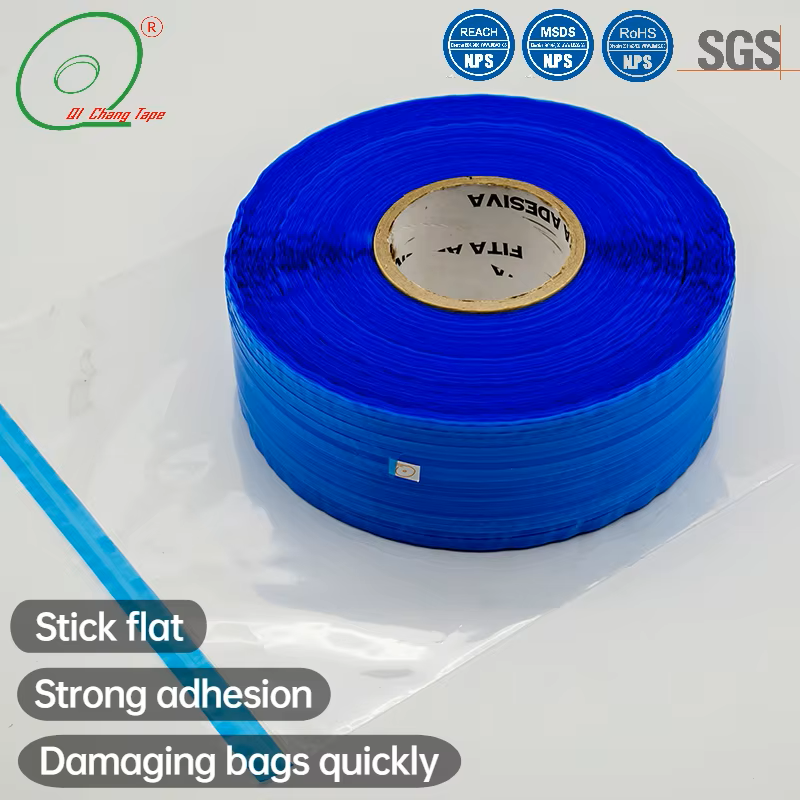
OPP resealable sealing tape has revolutionized the packaging industry by providing an efficient, cost-effective solution for secure bag closures. This innovative tape technology combines the strength of oriented polypropylene with advanced adhesive properties to create a reliable sealing mechanism. Manufacturers across various industries rely on opp resealable sealing tape to maintain product integrity while offering consumers convenient resealing capabilities. The tape's unique design allows for multiple opening and closing cycles without compromising the seal quality.
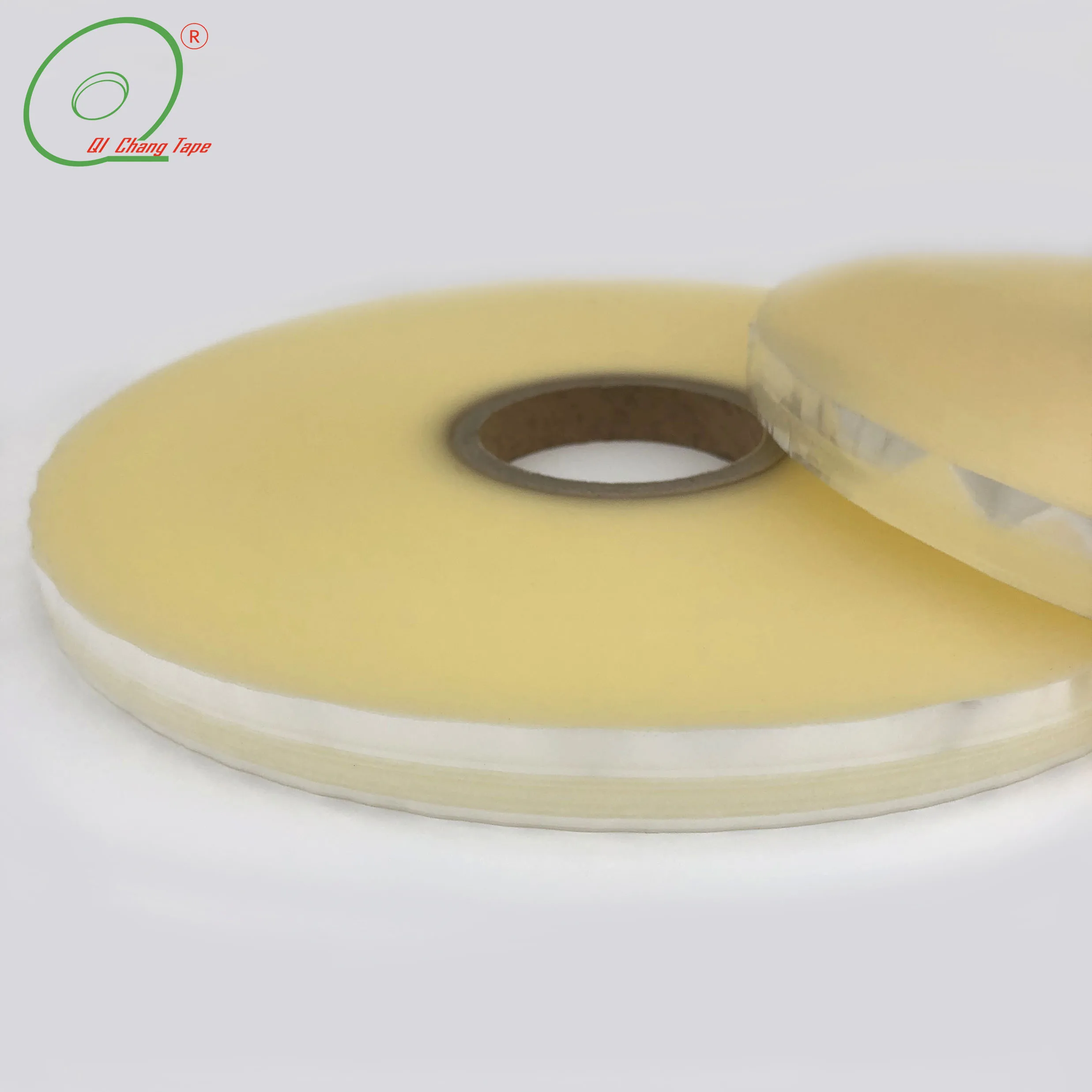
Understanding the proper application techniques for opp resealable sealing tape ensures optimal performance and longevity of your packaging solutions. Professional packaging operations demand precision and consistency in tape application to maintain brand reputation and customer satisfaction. The versatility of this tape makes it suitable for numerous applications, from food packaging to industrial goods protection. Modern manufacturing facilities have adopted standardized procedures for opp resealable sealing tape application to maximize efficiency and minimize waste.
Understanding OPP Resealable Sealing Tape Properties
Material Composition and Structure
The foundation of effective opp resealable sealing tape lies in its sophisticated material composition. Oriented polypropylene forms the primary substrate, providing exceptional tensile strength and clarity for packaging applications. The adhesive layer utilizes pressure-sensitive technology that creates strong initial bonds while maintaining removability characteristics. This dual functionality makes opp resealable sealing tape ideal for applications requiring both security and accessibility.
Advanced manufacturing processes ensure consistent thickness and adhesive distribution across the entire tape width. Quality control measures monitor the tape's performance characteristics, including peel strength, tack values, and temperature resistance. The molecular structure of opp resealable sealing tape allows for controlled deformation under stress while maintaining elastic recovery properties. These characteristics contribute to the tape's ability to maintain seal integrity through multiple use cycles.
Adhesive Technology and Performance
The adhesive system in opp resealable sealing tape employs specially formulated compounds that balance initial adhesion with removability. Acrylic-based adhesives provide superior aging resistance and maintain performance across wide temperature ranges. The adhesive pattern and thickness directly influence the tape's sealing characteristics and resealable functionality. Understanding these properties helps users select appropriate tape specifications for specific applications.
Performance testing reveals that high-quality opp resealable sealing tape maintains consistent adhesion levels throughout its operational life. Environmental factors such as humidity, temperature fluctuations, and UV exposure can affect adhesive performance over time. Proper storage conditions and handling procedures preserve the tape's original properties until application. Regular quality assessments ensure that opp resealable sealing tape continues to meet stringent packaging requirements.
Preparation Techniques for Optimal Application
Surface Preparation Requirements
Successful application of opp resealable sealing tape begins with thorough surface preparation of the target packaging material. Clean, dry surfaces provide optimal conditions for adhesive bonding and long-term performance. Contamination from dust, oils, moisture, or previous adhesive residues can significantly reduce bond strength and compromise seal integrity. Professional packaging operations implement standardized cleaning protocols to ensure consistent surface conditions.
Different substrate materials require specific preparation approaches when using opp resealable sealing tape. Polyethylene bags may need surface treatment to improve adhesion, while paper-based materials might require different handling considerations. Temperature conditioning of both the tape and substrate materials ensures optimal bonding conditions during application. Proper preparation techniques reduce the likelihood of premature seal failure and improve overall packaging performance.
Environmental Considerations
Environmental conditions during opp resealable sealing tape application significantly impact final performance results. Temperature ranges between 65-75°F provide ideal conditions for adhesive activation and substrate bonding. Humidity levels should remain below 50% relative humidity to prevent moisture interference with the adhesive system. Controlled environments in manufacturing facilities help maintain consistent application conditions.
Air circulation and cleanliness standards in the application area affect the quality of opp resealable sealing tape installations. Proper ventilation prevents contamination while maintaining appropriate temperature and humidity levels. Dust-free environments reduce the risk of particles interfering with adhesive bonding. These environmental controls become increasingly important for high-volume production applications where consistency is paramount.
Step-by-Step Application Process
Initial Positioning and Alignment
Precise positioning represents the critical first step in effective opp resealable sealing tape application. Measure and mark the intended tape placement location on the bag or packaging material to ensure consistent results. Align the tape parallel to the bag opening, maintaining uniform spacing from edges to optimize sealing performance. Proper alignment prevents wrinkles or air bubbles that could compromise the seal integrity.
Professional application techniques emphasize the importance of maintaining consistent tape orientation throughout the installation process. opp resealable sealing tape performs best when applied with steady, controlled pressure across the entire width. Avoid stretching or distorting the tape during positioning, as this can affect its resealable characteristics. Careful attention to initial placement reduces the need for repositioning and maintains adhesive effectiveness.
Pressure Application and Bonding
Effective bonding of opp resealable sealing tape requires controlled pressure application across the entire contact surface. Use a clean, smooth tool such as a plastic squeegee or roller to apply uniform pressure from the center outward. This technique eliminates air bubbles and ensures complete adhesive contact with the substrate material. Consistent pressure application creates reliable bonds that maintain integrity over time.
The pressure application process should proceed systematically to avoid creating stress concentrations in the opp resealable sealing tape. Work in overlapping sections, maintaining consistent downward pressure while advancing along the tape length. Allow adequate dwell time for the adhesive to achieve full bonding before subjecting the seal to stress or handling. Proper bonding techniques result in seals that perform reliably throughout their intended service life.
Quality Control and Testing Methods
Visual Inspection Criteria
Comprehensive visual inspection forms the foundation of quality control for opp resealable sealing tape applications. Examine the tape installation for uniformity of adhesion, absence of air bubbles, and proper alignment with package edges. Look for signs of adhesive squeeze-out, wrinkles, or gaps that could compromise seal performance. Consistent visual standards help maintain quality across production runs.
Document inspection findings to track quality trends and identify potential process improvements for opp resealable sealing tape applications. Photography of exemplary installations provides reference standards for training purposes and quality comparisons. Regular visual audits ensure adherence to established application procedures and identify deviations before they affect product quality. These inspection protocols form part of comprehensive quality management systems.
Performance Testing Procedures
Systematic performance testing validates the effectiveness of opp resealable sealing tape installations under various conditions. Conduct peel strength tests to verify adequate initial bonding while confirming resealable characteristics remain intact. Temperature cycling tests evaluate seal performance across expected storage and shipping conditions. These tests provide quantitative data supporting quality claims and customer specifications.
Long-term durability testing assesses how opp resealable sealing tape performs throughout its intended service life. Accelerated aging tests simulate extended storage conditions to predict real-world performance. Statistical analysis of test results helps establish confidence intervals and performance specifications. Regular testing programs ensure continued compliance with quality standards and customer requirements.
Troubleshooting Common Application Issues
Adhesion Problems and Solutions
Poor adhesion represents one of the most common challenges encountered when applying opp resealable sealing tape. Inadequate surface preparation often causes weak initial bonds that fail prematurely under normal handling conditions. Contamination from oils, moisture, or dust particles creates barriers between the adhesive and substrate surface. Systematic troubleshooting approaches help identify root causes and implement corrective measures.
Temperature-related adhesion issues with opp resealable sealing tape typically result from application outside optimal temperature ranges. Cold conditions reduce adhesive flow and bonding effectiveness, while excessive heat can cause premature adhesive activation. Environmental monitoring and conditioning procedures help maintain ideal application conditions. When adhesion problems persist, evaluation of substrate compatibility and alternative tape formulations may be necessary.
Seal Integrity Concerns
Compromised seal integrity can result from various factors affecting opp resealable sealing tape performance. Mechanical damage during handling or shipping may cause seal failure even when initial application was successful. Overstretching during application creates stress concentrations that weaken the seal structure. Regular monitoring and handling procedure reviews help prevent these integrity issues.
Chemical compatibility between the opp resealable sealing tape and package contents influences long-term seal integrity. Some products may emit vapors or oils that affect adhesive performance over time. Compatibility testing during product development phases helps identify potential issues before commercial implementation. Understanding these interactions enables selection of appropriate tape formulations for specific applications.
Maintenance and Storage Best Practices
Proper Storage Conditions
Maintaining optimal storage conditions preserves the performance characteristics of opp resealable sealing tape until application. Temperature-controlled environments between 60-80°F prevent adhesive degradation and maintain tape flexibility. Humidity control below 50% relative humidity prevents moisture absorption that could affect adhesive properties. Proper storage practices extend tape shelf life and ensure consistent performance.
Inventory rotation procedures ensure that opp resealable sealing tape maintains peak performance characteristics. First-in-first-out rotation prevents aging issues that could compromise tape quality. Storage area cleanliness prevents contamination of tape surfaces before application. These practices contribute to consistent application results and minimize quality-related issues.
Handling and Transportation
Careful handling during transportation and storage prevents damage to opp resealable sealing tape that could affect application performance. Protect tape rolls from impact damage, crushing, or exposure to extreme temperatures during shipping. Proper packaging materials cushion the tape and maintain environmental conditions during transit. These precautions preserve tape quality from manufacturing through application.
Training personnel in proper handling techniques reduces the risk of damage to opp resealable sealing tape during warehouse operations. Establish clear procedures for tape storage, retrieval, and preparation for use. Regular equipment maintenance ensures that handling systems operate smoothly without damaging tape products. Investment in proper handling infrastructure pays dividends in reduced waste and improved quality outcomes.
FAQ
What temperature range is optimal for applying opp resealable sealing tape?
The optimal temperature range for applying opp resealable sealing tape is between 65-75°F (18-24°C). This temperature range ensures proper adhesive flow and bonding while maintaining the tape's flexibility for easy application. Temperatures below 60°F can reduce adhesive tackiness, while temperatures above 80°F may cause premature adhesive activation. Maintaining consistent temperature conditions throughout the application process helps achieve reliable, long-lasting seals.
How many times can opp resealable sealing tape be reopened and resealed?
High-quality opp resealable sealing tape typically maintains effective sealing performance through 50-100 open-close cycles, depending on the specific formulation and application conditions. The exact number of cycles varies based on factors such as substrate type, environmental conditions, and handling care. Each resealing cycle may result in slightly reduced adhesive strength, but quality tapes maintain adequate sealing performance throughout their intended service life. Testing specific applications helps determine expected cycle performance for particular use cases.
Can opp resealable sealing tape be used on different types of packaging materials?
Yes, opp resealable sealing tape demonstrates excellent compatibility with various packaging materials including polyethylene bags, polypropylene films, paper-based materials, and certain fabric substrates. However, surface energy and texture characteristics of different materials can affect adhesion performance. Some low-energy surfaces may require primer treatment or specialized tape formulations for optimal bonding. Always conduct compatibility testing when using opp resealable sealing tape on new substrate materials to ensure satisfactory performance.
What factors can cause premature failure of opp resealable sealing tape seals?
Several factors can contribute to premature seal failure including inadequate surface preparation, contamination during application, extreme temperature exposure, and mechanical stress beyond design limits. Chemical incompatibility between the tape adhesive and package contents can also cause degradation over time. Poor application technique, such as insufficient pressure or improper alignment, reduces seal effectiveness. Environmental factors like high humidity, UV exposure, or temperature cycling may accelerate seal degradation. Proper application procedures and environmental controls help prevent these failure modes.
Table of Contents
- Understanding OPP Resealable Sealing Tape Properties
- Preparation Techniques for Optimal Application
- Step-by-Step Application Process
- Quality Control and Testing Methods
- Troubleshooting Common Application Issues
- Maintenance and Storage Best Practices
-
FAQ
- What temperature range is optimal for applying opp resealable sealing tape?
- How many times can opp resealable sealing tape be reopened and resealed?
- Can opp resealable sealing tape be used on different types of packaging materials?
- What factors can cause premature failure of opp resealable sealing tape seals?