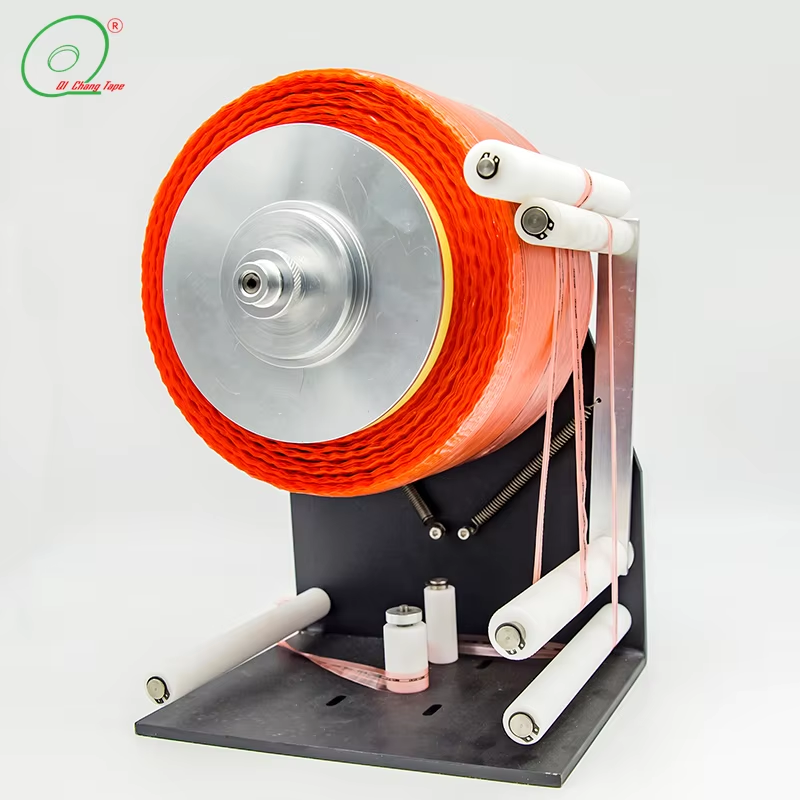
pe film price
PE film price analysis reveals a dynamic market driven by technological innovations and diverse application requirements. Polyethylene (PE) films represent one of the most versatile packaging solutions in today's manufacturing landscape, with pricing structures that reflect their exceptional functionality and widespread utility. The PE film price fluctuates based on raw material costs, production volumes, and specific performance characteristics required by different industries. These transparent or translucent plastic films offer remarkable barrier properties, making them essential for food packaging, agricultural applications, and industrial wrapping solutions. Understanding PE film price dynamics helps businesses make informed purchasing decisions while optimizing their packaging budgets. The manufacturing process involves advanced extrusion techniques that create films with varying thicknesses, densities, and performance attributes. Low-density polyethylene (LDPE) and high-density polyethylene (HDPE) variants each command different price points based on their molecular structure and intended applications. Market factors influencing PE film price include petroleum costs, production capacity, seasonal demand fluctuations, and regulatory requirements. The global supply chain complexities also impact pricing, particularly when considering international shipping costs and currency exchange rates. Quality specifications significantly affect PE film price, as enhanced barrier properties, UV resistance, and specialized additives increase manufacturing costs. Bulk purchasing typically reduces per-unit PE film price, making it advantageous for large-scale operations. The environmental sustainability movement has introduced biodegradable PE alternatives, which currently command premium pricing compared to conventional options. Regional manufacturing capabilities influence local PE film price competitiveness, with proximity to production facilities often reducing transportation costs. Long-term contracts can provide price stability for consistent users, protecting against market volatility while ensuring steady supply availability.

 EN
EN