
 EN
EN
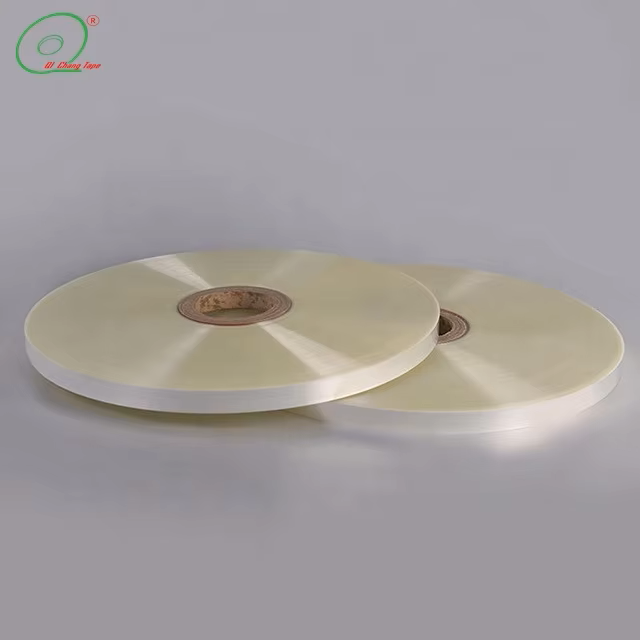
The modern manufacturing landscape demands sophisticated protection solutions that can safeguard valuable materials during production, transportation, and storage processes. Across numerous industrial sectors, manufacturers are increasingly turning to advanced protective film technologies to prevent damage, contamination, and quality degradation. These specialized films have evolved from simple barrier materials into engineered solutions that deliver precise protection characteristics tailored to specific industry requirements. Understanding which industries derive the greatest benefit from these protective technologies helps manufacturers make informed decisions about material selection and application strategies.
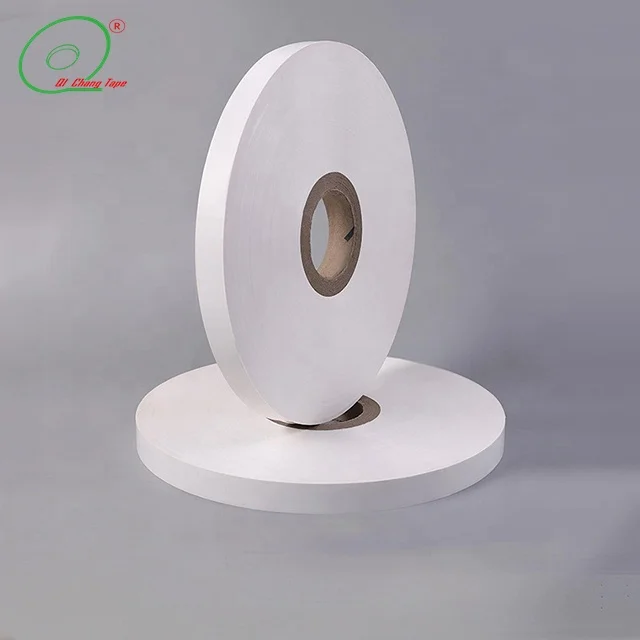
Electronics and Consumer Technology Manufacturing
Display Screen Protection Applications
The electronics industry represents one of the largest consumers of protective film solutions, particularly for display manufacturing and component protection. Smartphone, tablet, and television manufacturers rely heavily on specialized films to protect LCD, OLED, and LED screens during assembly processes. These applications require films with exceptional optical clarity, minimal residue characteristics, and controlled adhesion properties that prevent damage to delicate display surfaces. The precision required in electronics manufacturing means that even microscopic particles or surface imperfections can result in costly product defects.
Modern display manufacturing facilities implement multi-layer protection strategies using different film types at various production stages. Initial protection occurs during substrate cutting and handling operations, while additional layers protect against contamination during component assembly. The films must maintain their protective properties while allowing for precise automated handling systems and quality inspection processes. Temperature resistance becomes critical as many electronic components undergo thermal cycling during manufacturing and testing phases.
Semiconductor Wafer Processing
Semiconductor manufacturing environments present unique challenges for protective film applications due to cleanroom requirements and chemical exposure. Silicon wafers require protection from particulate contamination, chemical residues, and mechanical damage throughout multiple processing steps. The films used in these applications must demonstrate exceptional purity levels, low outgassing characteristics, and compatibility with various chemical processes including photolithography and etching operations.
Advanced semiconductor facilities utilize specialized films that can withstand exposure to acids, solvents, and high-energy plasma processes while maintaining their protective integrity. These films often incorporate specific adhesive formulations that provide secure attachment during processing while enabling clean removal without leaving residues that could interfere with subsequent manufacturing steps. The precision and reliability required in semiconductor manufacturing make film selection a critical factor in overall yield optimization.
Automotive and Transportation Industries
Paint Protection and Surface Finishing
Automotive manufacturers have embraced protective film technology as an essential component of their paint protection and surface finishing processes. During vehicle assembly, painted surfaces face numerous risks including overspray contamination, mechanical damage from handling equipment, and environmental exposure during transport. High-quality protective films provide a barrier against these hazards while maintaining the pristine appearance of finished paint systems.
The automotive industry requires films that can conform to complex curved surfaces while providing consistent protection across large surface areas. These applications demand excellent conformability, weather resistance, and the ability to maintain adhesion under varying temperature and humidity conditions. Paint protection films must also demonstrate compatibility with different paint formulations and curing processes without causing discoloration or surface defects.
Component Manufacturing and Assembly
Beyond paint protection, automotive component manufacturers utilize protective films throughout various manufacturing processes. Interior trim pieces, exterior panels, and precision components require protection during machining, forming, and assembly operations. The films protect against scratches, chemical staining, and contamination that could compromise component quality or appearance. This protection becomes particularly important for visible components where surface quality directly impacts customer satisfaction.
Automotive assembly lines present challenging environments with exposure to various chemicals, oils, and mechanical stresses. Protective films used in these applications must demonstrate durability under harsh conditions while maintaining easy removability at the appropriate stage of the manufacturing process. The ability to protect components throughout multiple assembly steps without interfering with automated handling systems makes these films invaluable for maintaining production efficiency.
Architecture and Construction Materials
Window and Glass Protection Systems
The construction industry has recognized the significant value of protective film applications for architectural glass and window systems. During building construction and renovation projects, windows face constant exposure to construction debris, chemical overspray, and mechanical damage from construction activities. Professional-grade OPP PE PET protective film solutions provide essential protection while allowing for natural light transmission and visual inspection of construction progress.
Construction environments present unique challenges including exposure to concrete dust, paint overspray, adhesive residues, and various construction chemicals. The protective films used in these applications must demonstrate exceptional durability and weather resistance while maintaining easy removal after construction completion. Extended outdoor exposure requires films with UV resistance and the ability to maintain their protective properties over several months of environmental exposure.
Metal and Composite Surface Protection
Architectural metal work, including aluminum panels, stainless steel fixtures, and composite materials, requires specialized protection during installation and finishing processes. These materials often feature precision finishes that cannot be restored if damaged during construction activities. Protective films provide essential barriers against welding spatter, grinding debris, and chemical contamination while allowing for normal construction activities to proceed.
The construction timeline often extends over many months, requiring protective films that can maintain their integrity and removability over extended periods. These applications demand films with superior aging characteristics, resistance to temperature cycling, and the ability to protect against both mechanical damage and environmental exposure. The visual appearance of architectural elements makes surface protection critical for project success and client satisfaction.
Medical Device and Pharmaceutical Manufacturing
Sterile Packaging and Component Protection
Medical device manufacturing requires the highest levels of cleanliness and contamination control, making protective films essential for maintaining sterile conditions and product integrity. Surgical instruments, diagnostic equipment, and implantable devices must remain contamination-free throughout manufacturing, packaging, and sterilization processes. Specialized films provide barriers against particulate contamination, microbial growth, and chemical residues while maintaining compatibility with sterilization methods.
The regulatory requirements in medical manufacturing demand protective films that meet strict biocompatibility standards and demonstrate consistent performance under validation protocols. These films must maintain their protective properties through gamma sterilization, ethylene oxide treatment, or autoclave processes without degrading or releasing potentially harmful substances. Traceability and documentation requirements make film selection and validation critical components of medical device manufacturing quality systems.
Pharmaceutical Equipment Protection
Pharmaceutical manufacturing environments require protective films that can withstand frequent cleaning and sanitization procedures while providing reliable protection for sensitive equipment surfaces. Processing equipment, packaging machinery, and analytical instruments require protection from chemical residues, cleaning agents, and operational contaminants. The films must demonstrate chemical resistance while maintaining easy removability for routine maintenance and inspection procedures.
Cleanroom environments in pharmaceutical facilities present additional challenges including strict particulate control requirements and limited contamination tolerance. Protective films used in these applications must demonstrate low particle generation characteristics and compatibility with cleanroom protocols. The ability to maintain protection while allowing for routine cleaning validation and equipment qualification makes these films essential for regulatory compliance and operational efficiency.
FAQ
What factors determine the best protective film choice for specific industrial applications
Selecting the optimal protective film requires careful consideration of environmental conditions, substrate materials, protection duration, and removal requirements. Key factors include adhesive strength, temperature resistance, chemical compatibility, and conformability requirements. The specific manufacturing processes, handling conditions, and quality standards also influence film selection decisions. Working with experienced suppliers who understand application-specific requirements ensures proper film specification and performance optimization.
How do protective films maintain quality while providing long-term protection
High-quality protective films incorporate advanced polymer formulations and adhesive systems designed to maintain their properties over extended periods. UV stabilizers prevent degradation from sunlight exposure, while specialized adhesive formulations resist aging and maintain clean removability. Temperature resistance prevents performance degradation under thermal cycling, and barrier properties protect against moisture and chemical contamination. Regular performance monitoring and proper storage conditions help ensure consistent protection throughout the intended service life.
What are the cost benefits of implementing protective film solutions in manufacturing
Protective films deliver significant cost savings by preventing damage, reducing rework, and eliminating expensive repairs or replacements. The cost of film application is typically much lower than the potential costs associated with surface damage, contamination, or quality defects. Additional benefits include reduced labor costs for cleaning and restoration, improved production efficiency, and enhanced customer satisfaction. Many manufacturers find that protective film investments pay for themselves through reduced warranty claims and improved first-pass quality rates.
How do modern protective films compare to traditional protection methods
Contemporary protective films offer superior performance compared to traditional methods like paper, cardboard, or temporary coatings. Modern films provide better conformability, more consistent protection, and cleaner removal characteristics. They resist moisture, chemicals, and temperature variations more effectively while maintaining their protective properties over longer periods. Advanced adhesive formulations eliminate residue problems common with older protection methods, while improved manufacturing processes ensure consistent quality and performance across large production volumes.
Table of Contents
- Electronics and Consumer Technology Manufacturing
- Automotive and Transportation Industries
- Architecture and Construction Materials
- Medical Device and Pharmaceutical Manufacturing
-
FAQ
- What factors determine the best protective film choice for specific industrial applications
- How do protective films maintain quality while providing long-term protection
- What are the cost benefits of implementing protective film solutions in manufacturing
- How do modern protective films compare to traditional protection methods