silicone coated release liner
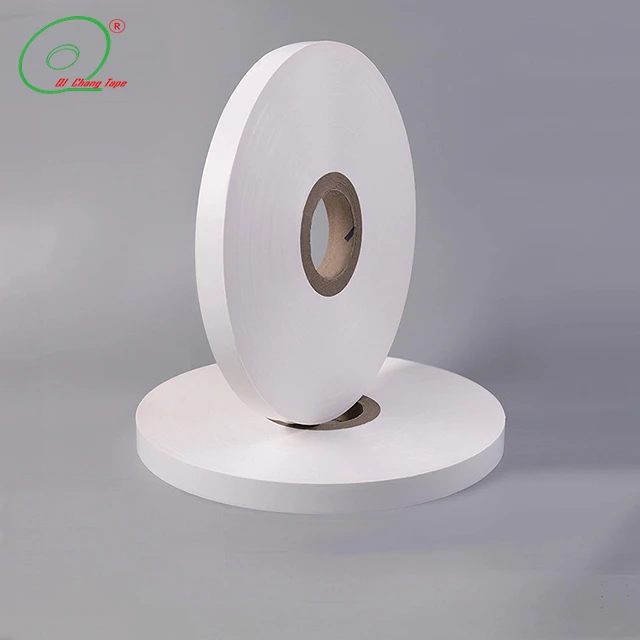
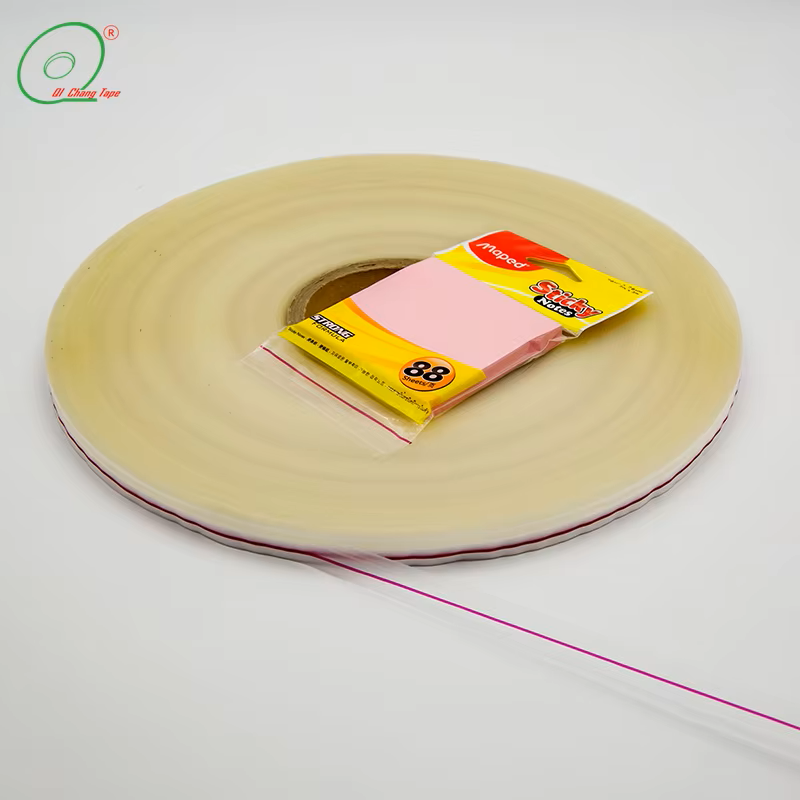
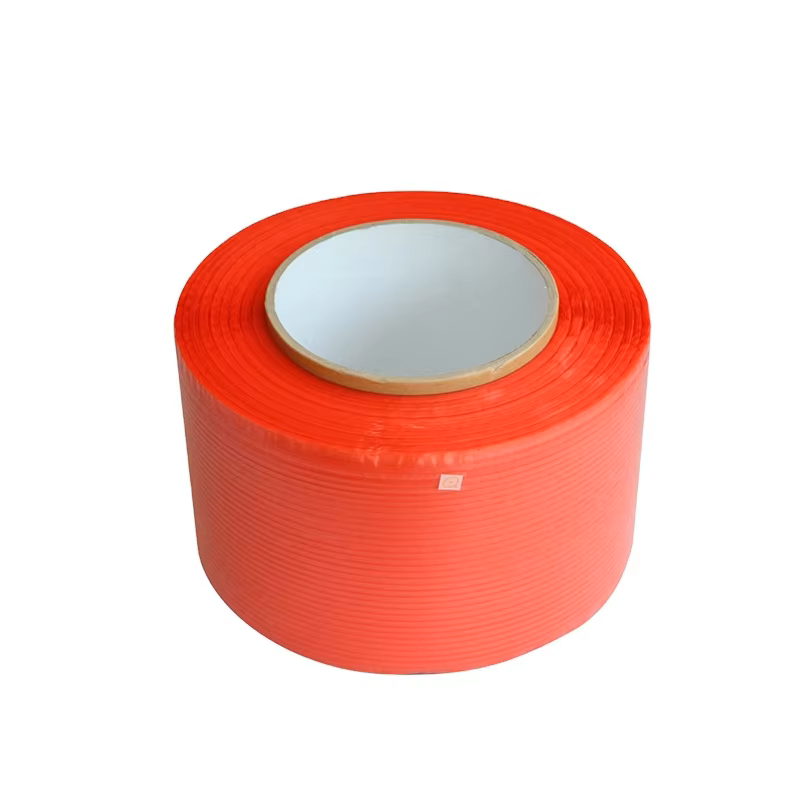
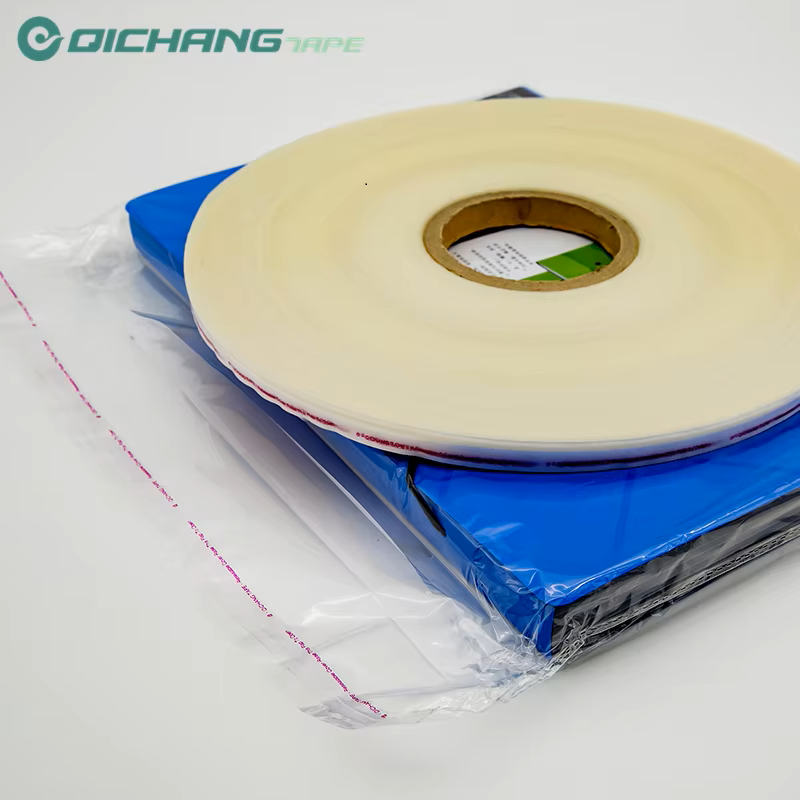
Silicone coated release liner represents a crucial component in modern manufacturing processes, serving as a protective backing material that enables easy separation from adhesive surfaces. This specialized liner consists of a base substrate, typically paper or film, coated with a thin layer of silicone material that provides exceptional release properties. The primary function of silicone coated release liner involves protecting adhesive materials during storage, transportation, and application processes while ensuring clean removal without residue transfer. The technological foundation of this product relies on the unique chemical properties of silicone compounds, which create a low-surface-energy barrier between the liner and adhesive materials. This barrier prevents permanent bonding while maintaining the integrity of both components. Manufacturing processes employ precise coating techniques to achieve uniform silicone distribution across the substrate surface, ensuring consistent release characteristics throughout the entire liner area. Quality control measures monitor coating thickness, release force values, and surface uniformity to guarantee optimal performance standards. The versatility of silicone coated release liner extends across numerous industrial applications, including label manufacturing, tape production, medical device assembly, and automotive component fabrication. Different formulations accommodate varying release force requirements, from ultra-light release for delicate applications to higher release forces for demanding industrial uses. Environmental considerations drive continuous innovation in silicone chemistry, leading to development of sustainable coating solutions that reduce environmental impact while maintaining superior performance characteristics. Advanced manufacturing technologies enable production of specialized variants with enhanced properties such as improved temperature resistance, chemical compatibility, and extended shelf life. The substrate selection process considers factors including dimensional stability, surface smoothness, and compatibility with downstream processing requirements. Paper-based substrates offer cost-effective solutions for standard applications, while film substrates provide superior dimensional stability and moisture resistance for demanding environments.

 EN
EN