
 EN
EN
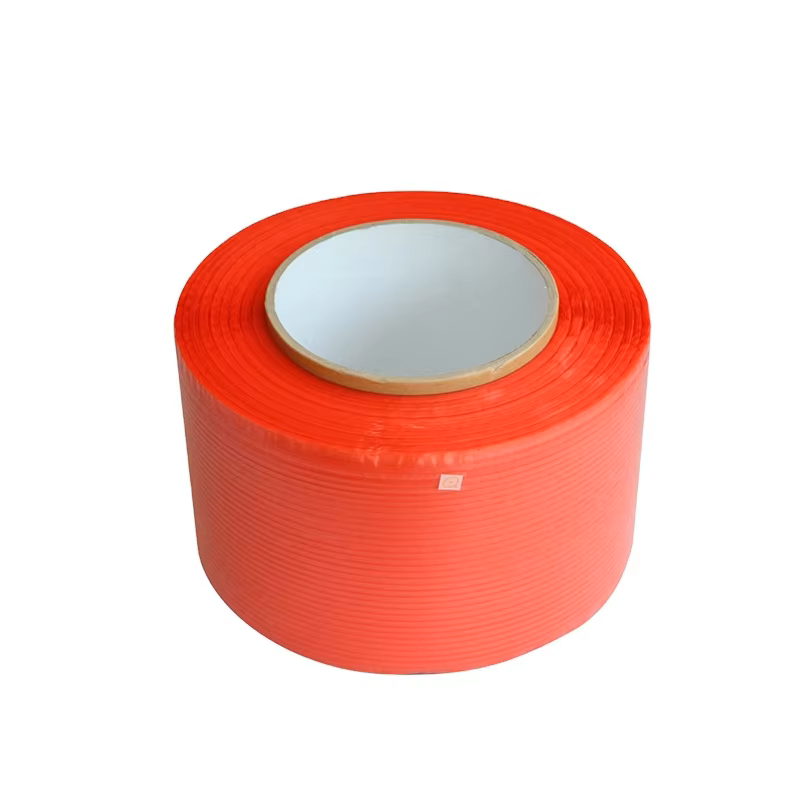
In today's competitive packaging industry, selecting the appropriate sealing solution can make or break your business operations. The right bag sealing tape ensures product integrity, enhances brand presentation, and reduces costly packaging failures that can damage customer relationships. With numerous options available in the market, understanding the specific requirements of your business and matching them with the correct sealing technology becomes crucial for operational success.
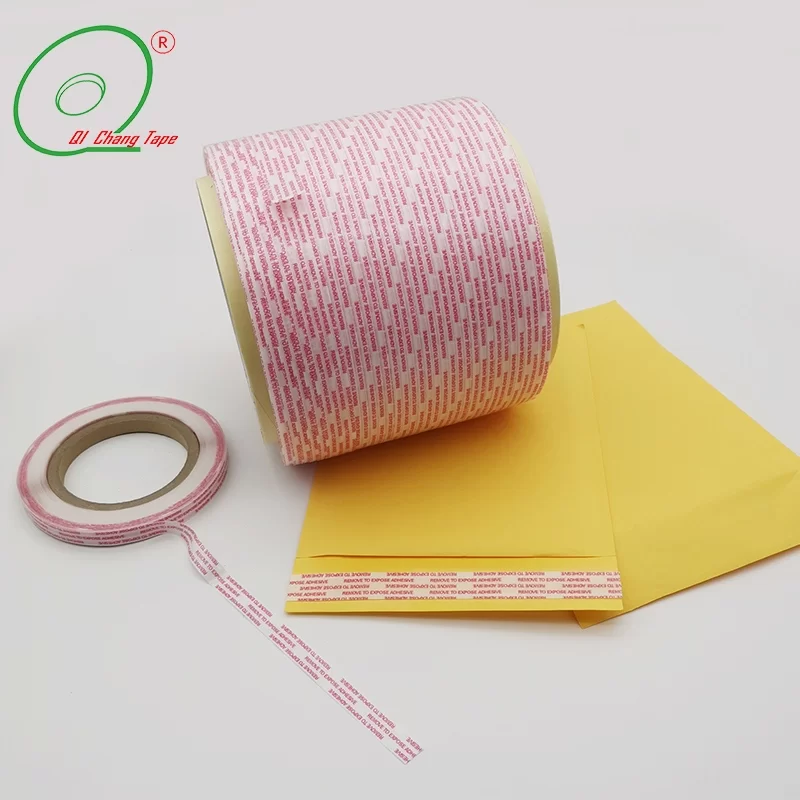
Modern businesses face unique challenges when it comes to packaging solutions, from maintaining product freshness to ensuring tamper-evident security. The evolution of sealing technologies has introduced various specialized options, each designed to address specific industry needs. Whether you operate in food service, retail, manufacturing, or e-commerce, the selection process requires careful consideration of multiple factors that directly impact your bottom line and customer satisfaction.
Understanding Different Types of Sealing Tape Technologies
Pressure-Sensitive Adhesive Solutions
Pressure-sensitive adhesive tapes represent one of the most versatile categories in the sealing industry. These solutions activate through applied pressure rather than heat or moisture, making them ideal for temperature-sensitive applications. The adhesive formula varies significantly between products, with some designed for permanent bonding while others offer repositionable characteristics for temporary sealing needs.
The backing material in pressure-sensitive tapes plays a crucial role in determining performance characteristics. Film-based backings provide excellent moisture resistance and clarity, while paper-based options offer superior printability and cost-effectiveness. Understanding these fundamental differences helps businesses select solutions that align with their specific operational requirements and budget constraints.
Heat-Activated Sealing Systems
Heat-activated sealing systems offer superior bond strength and tamper-evident properties compared to pressure-sensitive alternatives. These systems require specialized equipment to achieve optimal sealing temperatures, typically ranging from 250 to 400 degrees Fahrenheit depending on the substrate material. The initial investment in heat-sealing equipment often pays dividends through reduced material costs and enhanced package integrity.
Temperature control becomes critical when implementing heat-activated systems, as excessive heat can damage packaging materials or product contents. Modern heat-sealing equipment incorporates precise temperature monitoring and automatic shut-off features to prevent overheating. The learning curve for operators is generally minimal, though proper training ensures consistent results and equipment longevity.
Material Composition and Performance Characteristics
Substrate Compatibility Analysis
The substrate material of your packaging directly influences tape selection, as different materials require specific adhesive formulations for optimal bonding. Polyethylene substrates, commonly used in food packaging, require specialized adhesive chemistry to achieve reliable adhesion due to their low surface energy. Understanding surface energy principles helps businesses avoid adhesion failures that can compromise package integrity.
Paper-based substrates generally offer excellent tape adhesion due to their porous surface structure, which allows adhesive penetration for mechanical bonding. However, coated papers and films present unique challenges that require careful adhesive selection. Testing compatibility between your chosen bag sealing tape and substrate materials prevents costly production delays and ensures consistent sealing performance across your entire product line.
Environmental Resistance Properties
Environmental factors significantly impact sealing tape performance, making resistance properties a critical selection criterion. Temperature fluctuations can cause adhesive failure in standard formulations, while specialized temperature-resistant options maintain bond integrity across extreme ranges. Humidity exposure affects both adhesive performance and backing material stability, particularly in food service and agricultural applications.
Chemical resistance becomes essential for businesses handling cleaning products, automotive fluids, or industrial chemicals. Standard adhesive formulations may deteriorate when exposed to solvents or aggressive chemicals, leading to package failure and potential safety hazards. Selecting appropriate chemical-resistant formulations protects both product integrity and end-user safety while maintaining operational efficiency.
Application-Specific Selection Criteria
Food Service Industry Requirements
Food service applications demand sealing solutions that meet stringent safety regulations while maintaining product freshness and presentation quality. FDA-approved adhesive formulations ensure compliance with food contact regulations, while specialized barrier properties prevent moisture and oxygen transmission that can compromise product quality. The balance between seal strength and easy-open features becomes particularly important for consumer convenience.
Temperature requirements in food service vary dramatically, from frozen storage to hot-holding applications. Selecting bag sealing tape with appropriate temperature ratings ensures reliable performance throughout the cold chain and prevents seal failure during transport and storage. Printability options allow for product identification, nutritional information, and branding elements that enhance marketing effectiveness.
Industrial and Manufacturing Applications
Industrial environments present unique challenges including exposure to oils, solvents, and mechanical stress that standard sealing solutions cannot withstand. Heavy-duty formulations incorporate reinforced backing materials and aggressive adhesive systems designed for demanding applications. The initial cost premium for industrial-grade solutions typically results in lower total cost of ownership through reduced failure rates and maintenance requirements.
Automation compatibility becomes increasingly important as manufacturers adopt high-speed packaging lines and robotic systems. Sealing tapes must feed consistently through automated dispensing equipment without jamming or adhesive transfer issues. Consistent thickness tolerances and edge quality prevent equipment downtime and ensure smooth integration with existing production systems.
Cost-Effectiveness and Value Analysis
Total Cost of Ownership Calculations
Evaluating sealing tape options requires comprehensive cost analysis that extends beyond initial purchase price to include application efficiency, failure rates, and downstream impacts. Labor costs associated with manual application versus automated systems can significantly affect overall economics, particularly in high-volume operations. Equipment requirements for different sealing technologies must be factored into long-term cost projections.
Waste reduction represents a significant cost factor often overlooked in initial evaluations. Premium sealing solutions that reduce application waste and eliminate rework can offset higher material costs through improved operational efficiency. Package failure rates directly impact customer satisfaction and warranty costs, making reliability a crucial economic consideration beyond immediate material expenses.
Volume-Based Purchasing Strategies
Volume purchasing strategies can dramatically reduce per-unit costs while ensuring consistent supply availability during peak demand periods. Long-term supply agreements with manufacturers often include price protection clauses that stabilize costs against raw material fluctuations. However, businesses must balance inventory carrying costs against potential savings from bulk purchasing arrangements.
Standardization across multiple product lines enables greater volume concentration and supplier negotiating leverage. While different applications may seem to require unique solutions, careful analysis often reveals opportunities for consolidation without compromising performance. Working closely with suppliers to identify standardization opportunities can yield significant cost savings while simplifying inventory management and procurement processes.
Quality Testing and Performance Validation
Laboratory Testing Protocols
Comprehensive testing protocols ensure selected sealing solutions meet performance requirements before full-scale implementation. Adhesion strength testing under various environmental conditions reveals potential failure modes and helps establish operating parameters. Temperature cycling tests simulate real-world storage and transport conditions that packages will encounter throughout their lifecycle.
Accelerated aging tests provide insights into long-term performance characteristics without waiting for extended real-time evaluation periods. These tests expose samples to elevated temperatures, humidity levels, and UV radiation to simulate months or years of normal aging in condensed timeframes. Understanding degradation patterns helps businesses establish appropriate shelf life recommendations and storage requirements.
Field Trial Implementation
Small-scale field trials provide valuable real-world performance data before committing to large-scale implementation. These trials should encompass the full range of operating conditions and application scenarios to identify potential issues not apparent in laboratory testing. Customer feedback during trial periods offers insights into usability factors that technical testing cannot capture.
Documentation throughout field trials creates valuable reference data for future product evaluations and troubleshooting efforts. Tracking metrics such as application time, seal strength consistency, and failure rates provides quantitative data for comparing different options. This systematic approach reduces implementation risks and ensures selected solutions deliver expected performance benefits.
Supplier Selection and Partnership Considerations
Technical Support Capabilities
Strong technical support from sealing tape suppliers becomes invaluable during implementation and ongoing operations. Suppliers with extensive applications engineering expertise can recommend optimal solutions for unique requirements and provide troubleshooting support when issues arise. Access to material safety data sheets, application guidelines, and compatibility charts ensures safe and effective implementation.
Training programs offered by suppliers help operations personnel understand proper application techniques and equipment maintenance requirements. This education investment reduces application errors and extends equipment life while ensuring consistent sealing performance. Regular technical reviews with supplier representatives identify opportunities for process improvements and new product innovations that could benefit operations.
Supply Chain Reliability Factors
Supply chain reliability directly impacts production continuity, making supplier evaluation a critical business decision beyond technical performance criteria. Multiple manufacturing locations and robust inventory management systems protect against supply disruptions caused by natural disasters, equipment failures, or transportation issues. Understanding supplier capacity and lead time requirements helps businesses plan inventory levels appropriately.
Quality management systems and certifications provide assurance of consistent product quality and regulatory compliance. ISO certification, FDA registration, and industry-specific certifications demonstrate supplier commitment to quality management and continuous improvement. Regular supplier audits verify ongoing compliance and identify potential risks before they impact operations.
FAQ
What factors should I consider when selecting bag sealing tape for food packaging applications
Food packaging applications require careful consideration of FDA compliance, temperature resistance, and barrier properties. The tape must be approved for direct or indirect food contact depending on your application. Temperature requirements vary significantly from frozen storage to hot-holding applications, requiring appropriate adhesive formulations. Barrier properties against moisture, oxygen, and odors help maintain product freshness and quality throughout the distribution chain.
How do I determine the appropriate adhesive strength for my sealing application
Adhesive strength requirements depend on package weight, handling conditions, and expected shelf life. Heavy packages require stronger initial tack and ultimate adhesion to prevent seal failure during transport. Consider the opening experience desired by end users, as permanent seals provide maximum security while removable options offer convenience. Environmental factors such as temperature extremes, humidity, and chemical exposure also influence adhesive strength requirements.
What are the key differences between pressure-sensitive and heat-activated sealing systems
Pressure-sensitive systems activate through applied pressure without requiring heat, making them suitable for temperature-sensitive products and simple application equipment. Heat-activated systems require specialized sealing equipment but typically provide stronger bonds and better tamper-evident properties. Initial equipment costs for heat sealing are higher, but material costs are often lower due to thinner adhesive layers and simpler backing materials.
How can I minimize costs while maintaining sealing performance quality
Cost optimization requires balancing initial material costs against total cost of ownership including labor, equipment, and failure rates. Standardizing on fewer tape varieties across multiple applications reduces inventory costs and enables volume purchasing discounts. Automated application systems reduce labor costs and improve consistency, though they require higher initial investment. Consider premium products that reduce waste and rework costs, as the improved efficiency often justifies higher material costs.
Table of Contents
- Understanding Different Types of Sealing Tape Technologies
- Material Composition and Performance Characteristics
- Application-Specific Selection Criteria
- Cost-Effectiveness and Value Analysis
- Quality Testing and Performance Validation
- Supplier Selection and Partnership Considerations
-
FAQ
- What factors should I consider when selecting bag sealing tape for food packaging applications
- How do I determine the appropriate adhesive strength for my sealing application
- What are the key differences between pressure-sensitive and heat-activated sealing systems
- How can I minimize costs while maintaining sealing performance quality