
 EN
EN
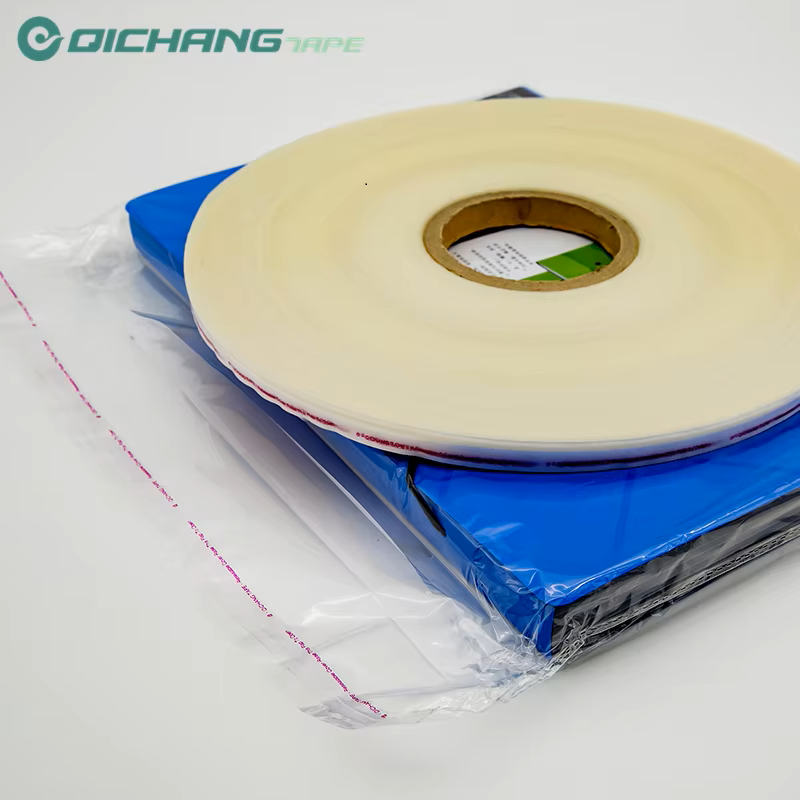
In today's competitive packaging industry, businesses are constantly seeking innovative solutions that deliver both functionality and cost-effectiveness. One such breakthrough technology that has revolutionized how companies approach bag sealing is HDPE reusable sealing tape. This advanced packaging material combines the durability of high-density polyethylene with superior adhesive properties, making it an essential component for various industrial and commercial applications. The growing demand for reliable sealing solutions has positioned this technology as a game-changer in sectors ranging from food packaging to industrial manufacturing.
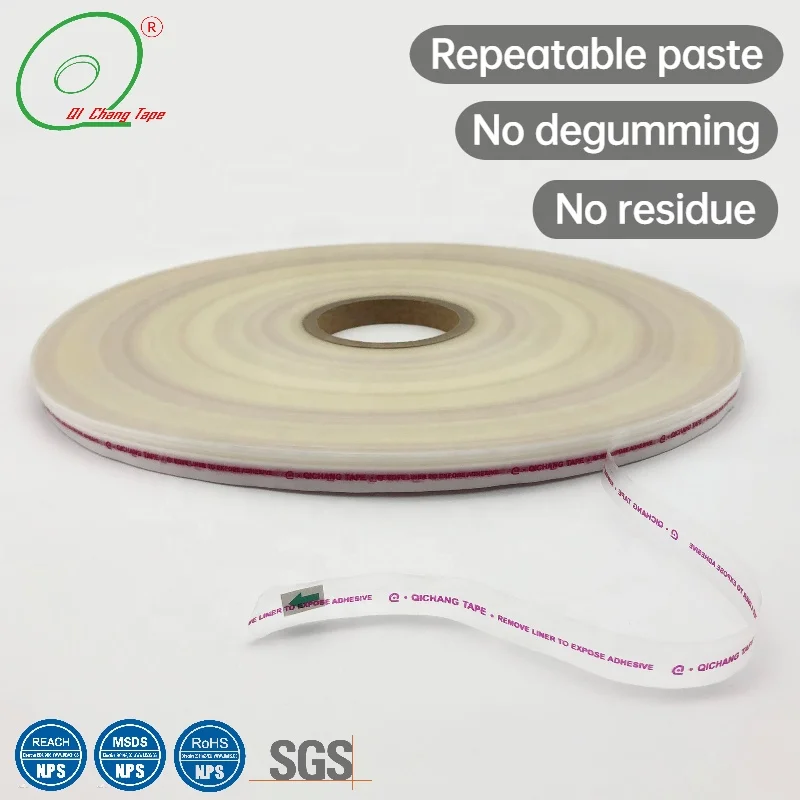
The versatility and performance characteristics of HDPE reusable sealing tape have made it indispensable across multiple industries. Unlike traditional sealing methods that often compromise on either durability or reusability, this innovative solution provides the perfect balance between permanent adhesion and controlled reopening capabilities. Companies worldwide are discovering that implementing proper sealing tape technology can significantly reduce packaging costs while enhancing product protection and customer satisfaction. The material's unique properties allow for multiple opening and resealing cycles without compromising the integrity of the seal or the contents within.
Understanding HDPE Material Properties and Advantages
Chemical Resistance and Durability Characteristics
High-density polyethylene represents one of the most chemically resistant thermoplastic materials available in modern packaging applications. This polymer exhibits exceptional resistance to acids, bases, alcohols, and various organic solvents, making it ideal for packaging applications that require long-term stability. The molecular structure of HDPE creates a barrier that prevents chemical migration while maintaining flexibility across a wide temperature range. These properties ensure that adhesive permanent bag sealing tape maintains its performance characteristics even under challenging environmental conditions.
The durability of HDPE extends beyond chemical resistance to include excellent mechanical properties such as tear resistance, puncture resistance, and dimensional stability. These characteristics are particularly important when sealing bags containing sharp or irregularly shaped contents. The material's ability to maintain its structural integrity under stress ensures that sealed packages remain secure throughout handling, shipping, and storage processes. Additionally, HDPE's low moisture absorption rate prevents the material from degrading in humid environments, extending the shelf life of both the tape and the packaged products.
Temperature Stability and Environmental Performance
HDPE reusable sealing tape demonstrates remarkable performance across extreme temperature ranges, typically functioning effectively from -40°F to 180°F (-40°C to 82°C). This wide operating temperature range makes it suitable for applications involving frozen foods, heated products, and outdoor storage conditions. The material's thermal stability prevents cracking, brittleness, or adhesive failure that commonly affects other sealing materials under temperature stress. This reliability is crucial for maintaining package integrity during seasonal temperature variations and international shipping requirements.
Environmental factors such as UV radiation, ozone exposure, and humidity fluctuations pose significant challenges for many packaging materials. HDPE's inherent resistance to these environmental stressors ensures consistent performance over extended periods. The material does not degrade when exposed to sunlight, making it suitable for outdoor applications and transparent packaging systems. This environmental stability translates directly into cost savings by reducing product loss due to package failure and minimizing the need for additional protective packaging layers.
Adhesive Technology and Sealing Mechanisms
Pressure-Sensitive Adhesive Systems
The effectiveness of any sealing tape depends heavily on its adhesive formulation and application mechanism. Modern HDPE reusable sealing tapes utilize advanced pressure-sensitive adhesive systems that create strong bonds through applied pressure rather than heat or solvents. These adhesives are specifically engineered to provide immediate tack upon application while developing full bond strength over time. The pressure-sensitive nature allows for easy application in automated packaging systems while ensuring consistent seal quality across high-volume production runs.
The adhesive chemistry used in quality sealing tapes incorporates tackifying resins, elastomers, and specialty additives that optimize performance for specific applications. These formulations can be customized to provide varying levels of initial tack, ultimate adhesion strength, and removability characteristics. The ability to fine-tune adhesive properties enables manufacturers to create products that meet specific industry requirements, whether for temporary closures or permanent sealing applications. This customization capability makes adhesive permanent bag sealing tape adaptable to diverse packaging challenges across multiple market segments.
Resealable Closure Technology
The resealable functionality of HDPE sealing tape represents a significant advancement over traditional permanent sealing methods. This technology incorporates carefully engineered adhesive patterns and film structures that allow for controlled separation and reapplication without compromising seal integrity. The resealable mechanism typically involves a dual-zone adhesive system where one area provides permanent adhesion to the package while another zone enables clean removal and repositioning. This design ensures that packages can be opened and resealed multiple times while maintaining product freshness and security.
The engineering behind resealable closures requires precise control over adhesive migration, film thickness variations, and surface energy characteristics. Advanced manufacturing processes ensure that the adhesive remains confined to designated areas, preventing unwanted sticking or residue transfer during opening cycles. The controlled release properties allow consumers to access package contents easily while providing visual and tactile feedback about seal integrity. This user-friendly design enhances the overall packaging experience while maintaining the protective benefits of professional-grade sealing systems.
Industrial Applications and Market Benefits
Food and Beverage Packaging Solutions
The food and beverage industry represents one of the largest markets for HDPE reusable sealing tape technology. These applications require materials that meet strict food safety regulations while providing excellent barrier properties against moisture, oxygen, and contaminants. HDPE sealing tapes designed for food contact applications undergo rigorous testing to ensure compliance with FDA regulations and international food safety standards. The material's non-toxic nature and low extractable content make it ideal for direct contact with food products without affecting taste, odor, or nutritional content.
Resealable packaging solutions have become increasingly important in modern food distribution systems where portion control and extended freshness are critical factors. HDPE sealing tape enables manufacturers to create packages that maintain product quality throughout multiple opening cycles while providing consumers with convenient access to contents. This functionality is particularly valuable for bulk food items, snack products, and specialty foods where traditional rigid packaging would be impractical or costly. The ability to create hermetic seals that can be repeatedly opened and closed extends product shelf life and reduces food waste throughout the supply chain.
Industrial and Chemical Product Packaging
Industrial applications for HDPE sealing tape extend far beyond food packaging to include chemical products, pharmaceuticals, and hazardous materials that require specialized containment systems. These applications demand sealing materials that can withstand aggressive chemical environments while maintaining seal integrity under stress. The chemical inertness of HDPE makes it compatible with a wide range of industrial chemicals, solvents, and corrosive substances that would quickly degrade other packaging materials. This compatibility ensures that package contents remain uncontaminated while protecting workers and the environment from exposure risks.
The reliability requirements for industrial packaging often exceed those of consumer applications, as product loss or containment failure can result in significant safety and environmental consequences. HDPE sealing tape provides the mechanical strength and chemical resistance necessary to maintain package integrity under demanding conditions such as vibration, temperature cycling, and chemical exposure. The material's ability to maintain its sealing properties over extended storage periods makes it ideal for inventory management systems where products may remain in storage for months or years before use. This reliability reduces the risk of costly product loss and ensures compliance with industrial safety regulations.
Cost-Effectiveness and Operational Benefits
Reduction in Material Waste and Inventory Costs
Implementing HDPE reusable sealing tape technology can significantly reduce overall packaging costs through multiple mechanisms including material efficiency, reduced waste, and simplified inventory management. The reusable nature of the sealing system eliminates the need for consumers to discard packaging after initial opening, reducing overall material consumption and disposal costs. This sustainability benefit aligns with corporate environmental initiatives while providing measurable cost savings through reduced packaging material purchases and waste disposal fees.
The versatility of adhesive permanent bag sealing tape allows companies to consolidate their packaging material inventory by using a single product for multiple applications. This consolidation reduces inventory carrying costs, simplifies procurement processes, and minimizes the risk of stock obsolescence. Additionally, the long shelf life of HDPE materials enables bulk purchasing strategies that can achieve significant volume discounts. The material's stability during storage ensures that purchased inventory maintains its performance characteristics over extended periods, reducing the risk of product degradation and associated costs.
Enhanced Production Efficiency and Automation Compatibility
Modern packaging operations increasingly rely on automated systems to achieve high throughput rates while maintaining consistent quality standards. HDPE sealing tape is specifically designed to integrate seamlessly with automated packaging equipment, providing reliable performance at high speeds without compromising seal quality. The material's consistent thickness, width tolerance, and release characteristics enable smooth operation in high-volume production environments. This compatibility reduces downtime associated with material feeding problems, jam clearing, and quality rejections.
The ease of application associated with pressure-sensitive adhesive systems eliminates the need for heating equipment, solvent application systems, or complex mechanical sealing devices. This simplification reduces energy consumption, maintenance requirements, and operator training needs while improving overall equipment effectiveness. The immediate bond formation upon application allows for faster line speeds and reduced work-in-process inventory. These operational improvements contribute directly to reduced manufacturing costs and improved competitiveness in price-sensitive markets.
Quality Control and Performance Standards
Testing Protocols and Performance Validation
Quality assurance for HDPE reusable sealing tape involves comprehensive testing protocols that evaluate both material properties and performance characteristics under simulated use conditions. Standard test methods include peel strength analysis, shear resistance testing, temperature cycling, and accelerated aging studies that predict long-term performance. These tests ensure that products meet or exceed industry standards for adhesion strength, environmental resistance, and mechanical durability. Manufacturers typically conduct both incoming material inspection and finished product testing to maintain consistent quality levels.
Performance validation extends beyond laboratory testing to include field trials and customer application studies that evaluate real-world performance under actual use conditions. These studies provide valuable feedback about product performance in specific applications and help identify opportunities for product optimization. The data collected through performance validation programs enables continuous improvement in product formulations and manufacturing processes. This commitment to quality ensures that customers receive products that consistently meet their performance expectations and application requirements.
Regulatory Compliance and Safety Standards
The manufacture and application of HDPE sealing tape must comply with various regulatory standards depending on the intended use application. Food contact applications require compliance with FDA regulations, EU food contact materials directives, and other international standards that govern material safety and performance. These regulations specify allowable extractable levels, migration limits, and testing protocols that ensure consumer safety. Manufacturers must maintain detailed documentation and certification records to demonstrate compliance with applicable regulations.
Industrial and commercial applications may require compliance with additional safety standards related to chemical resistance, fire safety, and environmental impact. These standards often specify performance requirements for specific exposure conditions and use scenarios. The ability to meet diverse regulatory requirements makes HDPE sealing tape suitable for global distribution and use in regulated industries. This regulatory compliance capability reduces customer liability risks and ensures market acceptance across diverse geographical regions and application sectors.
Future Innovations and Technology Developments
Advanced Adhesive Formulations and Smart Materials
The evolution of HDPE reusable sealing tape technology continues to advance through innovations in adhesive chemistry and material science. Research and development efforts focus on creating intelligent adhesive systems that can respond to environmental conditions, provide tamper evidence, or incorporate functional additives for enhanced performance. These advanced formulations may include temperature-sensitive adhesives that provide visual indicators of temperature exposure, or antimicrobial additives that help maintain product hygiene during storage and handling.
Smart material technologies are beginning to incorporate sensors and indicators directly into the sealing tape structure, enabling real-time monitoring of package integrity, environmental conditions, and product freshness. These developments represent the convergence of traditional packaging materials with digital technologies, creating opportunities for enhanced supply chain visibility and consumer engagement. The integration of smart features while maintaining the fundamental benefits of HDPE materials requires careful balance between functionality and cost-effectiveness to ensure commercial viability.
Sustainability and Environmental Impact Improvements
Environmental sustainability has become a critical driver for innovation in packaging materials, leading to the development of bio-based and recyclable alternatives to traditional petroleum-based polymers. Research into bio-derived HDPE and compostable adhesive systems aims to reduce the environmental impact of packaging materials while maintaining performance characteristics. These developments align with corporate sustainability goals and regulatory trends toward reduced environmental impact from packaging waste.
Circular economy principles are driving innovations in recyclable and reusable packaging systems that minimize waste generation throughout the product lifecycle. Advanced HDPE formulations designed for enhanced recyclability and compatibility with existing recycling infrastructure represent important steps toward sustainable packaging solutions. The development of closed-loop recycling systems specifically for adhesive permanent bag sealing tape could significantly reduce the environmental impact of packaging operations while maintaining the performance benefits that make these materials valuable for industrial and commercial applications.
FAQ
What makes HDPE reusable sealing tape different from traditional sealing methods?
HDPE reusable sealing tape combines the chemical resistance and durability of high-density polyethylene with advanced pressure-sensitive adhesive technology to create a sealing solution that can be opened and resealed multiple times without losing effectiveness. Unlike traditional methods such as heat sealing or permanent adhesives, this technology provides controlled removability while maintaining package integrity. The material's resistance to temperature variations, chemicals, and environmental factors makes it superior to many conventional sealing options for demanding applications.
How many times can HDPE reusable sealing tape be opened and resealed?
The number of opening and resealing cycles depends on the specific adhesive formulation and application conditions, but quality HDPE reusable sealing tapes are typically designed to withstand 20-50 cycles while maintaining effective sealing performance. Factors such as temperature, humidity, contamination, and handling practices can influence the actual number of cycles achieved in practice. Proper application techniques and careful handling during opening can maximize the number of successful resealing cycles and extend the useful life of the packaging system.
Is HDPE sealing tape suitable for food packaging applications?
Yes, HDPE sealing tape formulated for food contact applications meets FDA regulations and international food safety standards for direct contact with food products. The material's non-toxic nature, low extractable content, and excellent barrier properties make it ideal for maintaining food freshness and safety. Food-grade formulations undergo rigorous testing to ensure they do not affect taste, odor, or nutritional content of packaged foods. Many food manufacturers choose HDPE sealing tape for its combination of food safety compliance and functional performance benefits.
What industries benefit most from using HDPE reusable sealing tape?
HDPE reusable sealing tape provides significant benefits across multiple industries including food and beverage packaging, pharmaceutical and medical device packaging, chemical and industrial products, consumer goods, and agricultural products. Industries that require combination of product protection, regulatory compliance, and user convenience find particular value in this technology. The material's versatility allows it to address diverse packaging challenges while providing cost-effective solutions for both high-volume production and specialized applications requiring superior chemical resistance and environmental stability.