
 EN
EN
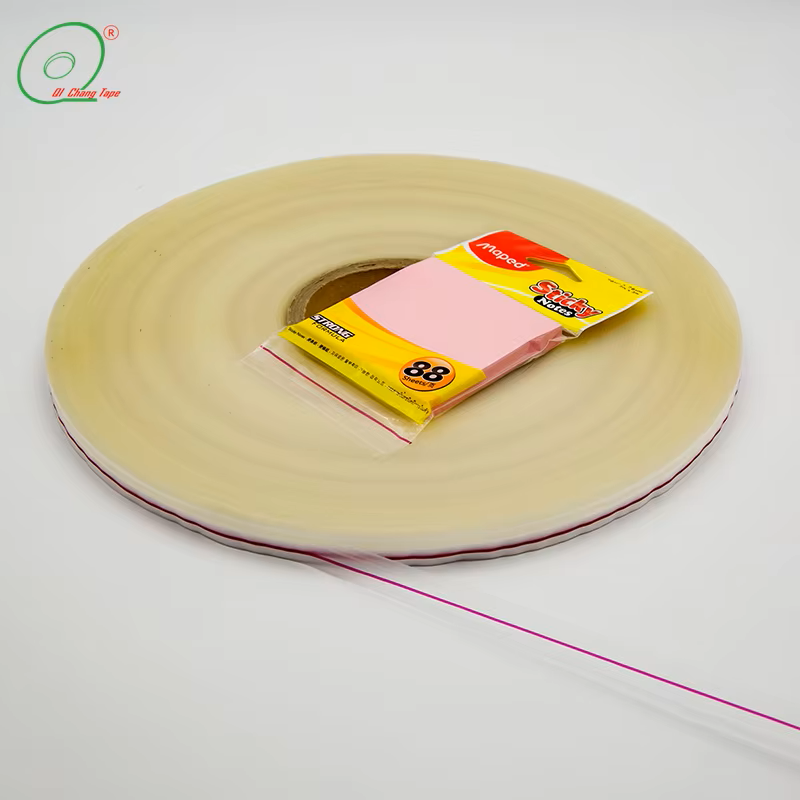
Modern packaging solutions require versatility and sustainability to meet evolving consumer demands and environmental regulations. HDPE reusable sealing tape represents a breakthrough in adhesive technology that addresses both functionality and ecological concerns. This innovative sealing solution combines the durability of high-density polyethylene with advanced adhesive formulations that maintain their bonding strength through multiple applications. Industries ranging from electronics manufacturing to food packaging have discovered that this specialized tape offers superior performance while reducing waste and operational costs.
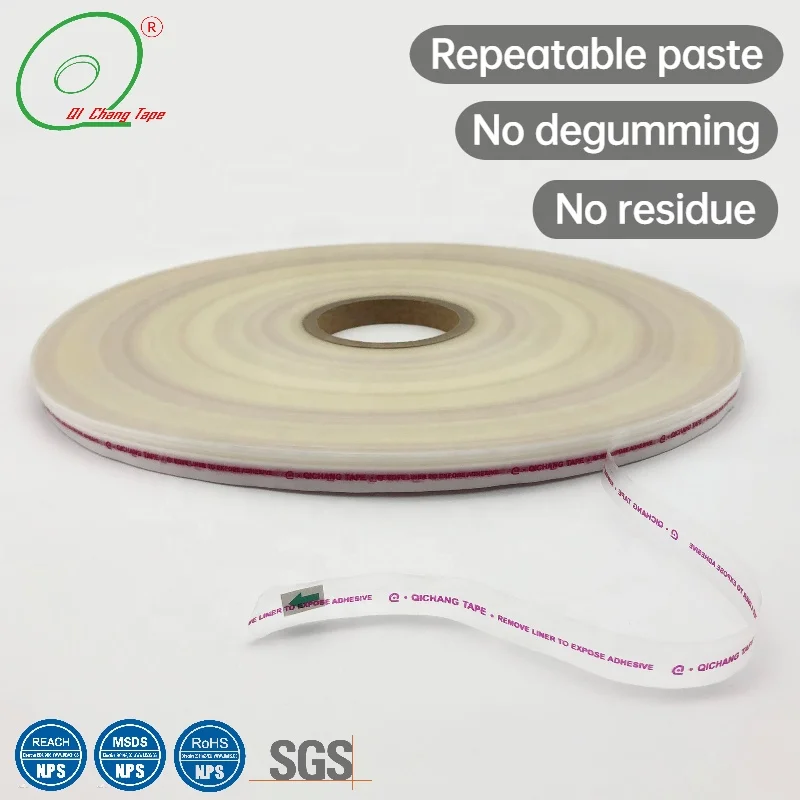
The growing emphasis on circular economy principles has driven manufacturers to seek packaging materials that can withstand repeated use without compromising seal integrity. Traditional single-use tapes often fail to provide adequate adhesion after initial removal, creating challenges for applications requiring temporary sealing or frequent access. HDPE reusable sealing tape solves these limitations through its unique polymer structure and specially engineered adhesive properties that resist degradation even under stress.
Advanced Material Composition and Engineering
High-Density Polyethylene Foundation
The base material of HDPE reusable sealing tape consists of high-density polyethylene, a thermoplastic polymer renowned for its exceptional strength-to-weight ratio and chemical resistance. This foundation provides the structural integrity necessary for repeated stretching, flexing, and repositioning without tearing or losing dimensional stability. The crystalline structure of HDPE contributes to the tape's ability to maintain its original properties even after extended exposure to various environmental conditions including temperature fluctuations, humidity, and UV radiation.
Manufacturers utilize advanced extrusion processes to create HDPE films with controlled thickness and uniform density distribution. These processing techniques ensure consistent performance characteristics across the entire tape roll, eliminating weak points that could compromise seal reliability during reuse cycles. The molecular orientation achieved through specialized manufacturing methods enhances tear resistance and provides the flexibility required for conforming to irregular surfaces while maintaining secure adhesion.
Specialized Adhesive Formulations
The adhesive component of HDPE reusable sealing tape represents a significant advancement in pressure-sensitive adhesive technology. These formulations typically incorporate modified acrylic or synthetic rubber compounds that exhibit excellent tack properties while remaining removable without leaving residue. The adhesive chemistry is carefully balanced to provide immediate bonding upon application while allowing clean removal and reapplication multiple times without significant loss in adhesive strength.
Temperature stability is a critical factor in adhesive performance, particularly for applications involving thermal cycling or extreme environmental conditions. Premium HDPE reusable sealing tape formulations maintain their adhesive properties across wide temperature ranges, ensuring reliable performance in both cold storage applications and heated manufacturing environments. The crosslinking density of the adhesive polymer is optimized to prevent cold flow at elevated temperatures while maintaining flexibility at low temperatures.
Mechanical Properties and Performance Characteristics
Tensile Strength and Durability
The mechanical properties of HDPE reusable sealing tape directly impact its ability to withstand multiple use cycles without failure. Tensile strength measurements typically exceed 150 MPa for high-quality formulations, providing sufficient mechanical integrity for demanding applications. This strength allows the tape to resist stretching and deformation during handling and application, ensuring that the seal maintains its intended dimensions and contact pressure over time.
Elongation at break is another crucial parameter that affects reusability, with premium tapes achieving elongation values exceeding 300%. This flexibility enables the tape to accommodate substrate movement and thermal expansion without cracking or losing adhesion. The combination of high tensile strength and elongation creates a robust sealing solution that can adapt to dynamic stress conditions while maintaining seal integrity throughout multiple application cycles.
Adhesion Performance Metrics
Quantifying adhesion performance involves multiple testing methodologies that evaluate both initial bond strength and retention after repeated use. Peel adhesion tests measure the force required to remove the tape at a standardized angle and speed, while tack tests assess the immediate bonding capability upon light contact pressure. High-performance HDPE reusable sealing tape maintains at least 80% of its initial adhesion strength after five removal and reapplication cycles under controlled laboratory conditions.
Shear adhesion testing evaluates the tape's resistance to sliding under parallel stress, which is particularly important for vertical applications or situations involving vibration. Premium formulations demonstrate shear adhesion values exceeding 24 hours when tested according to industry standards, indicating excellent resistance to creep and dimensional stability under sustained loading conditions. These performance characteristics ensure reliable sealing even in challenging operational environments.
Industrial Applications and Use Cases
Electronics and Semiconductor Manufacturing
The electronics industry has embraced HDPE reusable sealing tape for various applications including component packaging, cleanroom sealing, and temporary masking during manufacturing processes. The tape's antistatic properties and low outgassing characteristics make it suitable for sensitive electronic assemblies where contamination control is critical. Semiconductor fabrication facilities utilize this tape for wafer carrier sealing and temporary component protection, taking advantage of its ability to maintain seal integrity through multiple inspection and rework cycles.
Surface mount technology assembly processes benefit from the tape's precise application and clean removal characteristics, allowing for efficient rework operations without residue transfer to circuit boards. The chemical resistance of HDPE ensures compatibility with common cleaning solvents and flux removal processes, maintaining adhesive performance even after exposure to processing chemicals. Temperature stability during reflow soldering operations is another advantage, as the tape can withstand brief exposure to elevated temperatures without adhesive migration or substrate damage.
Food and Pharmaceutical Packaging
Food packaging applications require materials that meet strict regulatory requirements for direct and indirect food contact while providing reliable barrier properties. HDPE reusable sealing tape formulations designed for food applications comply with FDA regulations and European food safety standards, ensuring consumer safety while enabling package reclosure and portion control. The tape's moisture resistance and oxygen barrier properties help maintain product freshness during storage and transport.
Pharmaceutical packaging presents unique challenges related to product stability and tamper evidence while maintaining accessibility for healthcare providers. HDPE reusable sealing tape solutions for pharmaceutical applications incorporate special formulations that resist degradation from common sterilization methods including gamma radiation and ethylene oxide exposure. The ability to reseal medication packages safely supports patient compliance programs while maintaining product integrity throughout the supply chain.
Environmental Benefits and Sustainability
Waste Reduction and Circular Economy Impact
The reusable nature of HDPE sealing tape contributes significantly to waste reduction initiatives across multiple industries. Traditional single-use tapes generate substantial waste streams, particularly in manufacturing environments where frequent package opening and resealing is required. By enabling multiple use cycles, HDPE reusable sealing tape can reduce tape consumption by up to 70% in typical applications, corresponding to substantial reductions in packaging waste generation.
Life cycle assessment studies demonstrate that the environmental impact per sealing operation decreases dramatically when reusable tapes are employed instead of single-use alternatives. The reduced material consumption translates to lower carbon footprints from manufacturing, transportation, and disposal activities. Additionally, the durability of HDPE materials supports extended service life, further amplifying the environmental benefits through reduced replacement frequency and associated logistics impacts.
Recyclability and End-of-Life Considerations
HDPE materials are widely recyclable through established plastic waste management infrastructure, supporting circular economy principles when the tape reaches end-of-life status. The thermoplastic nature of HDPE allows for mechanical recycling processes that can recover valuable polymer content for use in new products. Proper separation of the HDPE backing from adhesive components is essential for effective recycling, and some manufacturers have developed adhesive formulations that facilitate this separation through thermal or chemical treatment methods.
Biodegradable adhesive options are emerging for applications where end-of-life disposal is a primary concern, although these formulations may require trade-offs in reusability performance. Research into bio-based HDPE alternatives derived from renewable feedstocks offers promising pathways for further reducing the environmental impact of reusable sealing tapes. These innovations align with corporate sustainability goals while maintaining the performance characteristics required for demanding industrial applications.
Application Techniques and Best Practices
Surface Preparation and Application Methods
Proper surface preparation is crucial for maximizing the performance and reusability of HDPE sealing tape. Substrate surfaces should be clean, dry, and free from oils, dust, or other contaminants that could interfere with adhesive bonding. Cleaning with appropriate solvents such as isopropyl alcohol removes surface contaminants while evaporating completely to prevent adhesive degradation. Surface roughness should be evaluated to ensure compatibility with the tape's conformability limits, as excessive texture can create air pockets that compromise seal integrity.
Application pressure and technique significantly influence initial bond formation and subsequent reusability performance. Uniform pressure distribution across the entire tape width ensures consistent contact with the substrate surface, eliminating potential leak paths and maximizing adhesive engagement. Rolling or smoothing tools can help achieve optimal contact pressure while preventing air entrapment that could compromise seal performance during thermal cycling or pressure variations.
Removal and Reapplication Procedures
Careful removal techniques are essential for preserving the tape's reusability characteristics and preventing damage to both the tape and substrate surfaces. Slow, steady removal at acute angles minimizes stress concentrations that could cause tearing or adhesive transfer. Temperature control during removal can improve the process, as slightly elevated temperatures typically reduce the force required for clean separation while preventing adhesive degradation.
Storage between uses requires attention to prevent contamination and preserve adhesive properties. Protecting the adhesive surface from dust, moisture, and contact with incompatible materials maintains bonding capability for subsequent applications. Some applications benefit from temporary protective liners that can be applied during storage periods, although this adds complexity to the handling process and may not be practical for all use cases.
Quality Control and Testing Standards
Performance Validation Methods
Comprehensive quality control programs for HDPE reusable sealing tape incorporate multiple testing methodologies to ensure consistent performance across production batches. Adhesion testing protocols evaluate both initial bonding strength and retention after multiple use cycles, using standardized test methods that simulate real-world application conditions. Environmental conditioning tests assess performance stability under various temperature, humidity, and UV exposure conditions that may be encountered during storage and use.
Mechanical property testing includes tensile strength, elongation, and tear resistance measurements that verify the tape's ability to withstand handling stresses during application and removal cycles. Chemical compatibility testing evaluates resistance to common solvents, cleaning agents, and process chemicals that may be encountered in specific applications. These comprehensive testing programs ensure that the tape will perform reliably throughout its intended service life.
Industry Standards and Certifications
Various industry standards govern the performance requirements and testing methods for pressure-sensitive adhesive tapes, including those specifically addressing reusable formulations. ASTM International, ISO, and other standards organizations have developed test methods that evaluate adhesive performance, substrate compatibility, and environmental resistance. Compliance with these standards provides assurance of quality and enables comparison between different tape products and suppliers.
Regulatory approvals for specific applications, such as food contact or medical device use, require extensive documentation and validation testing to demonstrate safety and performance. These certification processes often involve third-party testing laboratories and regulatory review procedures that can extend product development timelines but provide essential market access for specialized applications. Maintaining current certifications requires ongoing quality monitoring and periodic retesting to ensure continued compliance.
FAQ
How many times can HDPE reusable sealing tape be applied and removed?
High-quality HDPE reusable sealing tape typically maintains effective sealing performance for 5-10 application cycles under normal conditions. The exact number of reuses depends on factors including substrate surface characteristics, environmental conditions, and removal technique. Laboratory testing often demonstrates retention of at least 80% adhesive strength after five cycles, though real-world performance may vary based on specific application requirements.
What temperatures can HDPE reusable sealing tape withstand?
Most HDPE reusable sealing tapes operate effectively within a temperature range of -40°C to +80°C (-40°F to +176°F), though specific formulations may extend these limits. The HDPE backing material maintains its mechanical properties across this range, while adhesive performance may vary with temperature extremes. For applications involving continuous high-temperature exposure, specialized high-temperature adhesive formulations are available that extend the operating range to +120°C (+248°F) or higher.
Can HDPE reusable sealing tape be used on curved or irregular surfaces?
The flexibility of HDPE reusable sealing tape allows conformability to moderately curved surfaces and minor surface irregularities. The tape can typically accommodate surface curvatures with radii greater than 10mm without compromising seal integrity. For applications involving sharp corners or highly irregular surfaces, narrower tape widths may provide better conformability, though this may require multiple tape applications to achieve complete sealing coverage.
How should HDPE reusable sealing tape be stored for optimal performance?
Proper storage conditions include moderate temperatures between 15°C and 25°C (59°F to 77°F), relative humidity below 60%, and protection from direct sunlight and UV exposure. The tape should be stored in its original packaging or wrapped to prevent dust contamination and moisture absorption. Vertical storage orientation prevents deformation under the weight of stacked rolls, while avoiding contact with incompatible chemicals or solvents preserves adhesive properties during extended storage periods.