Versatile Applications and Processing Compatibility
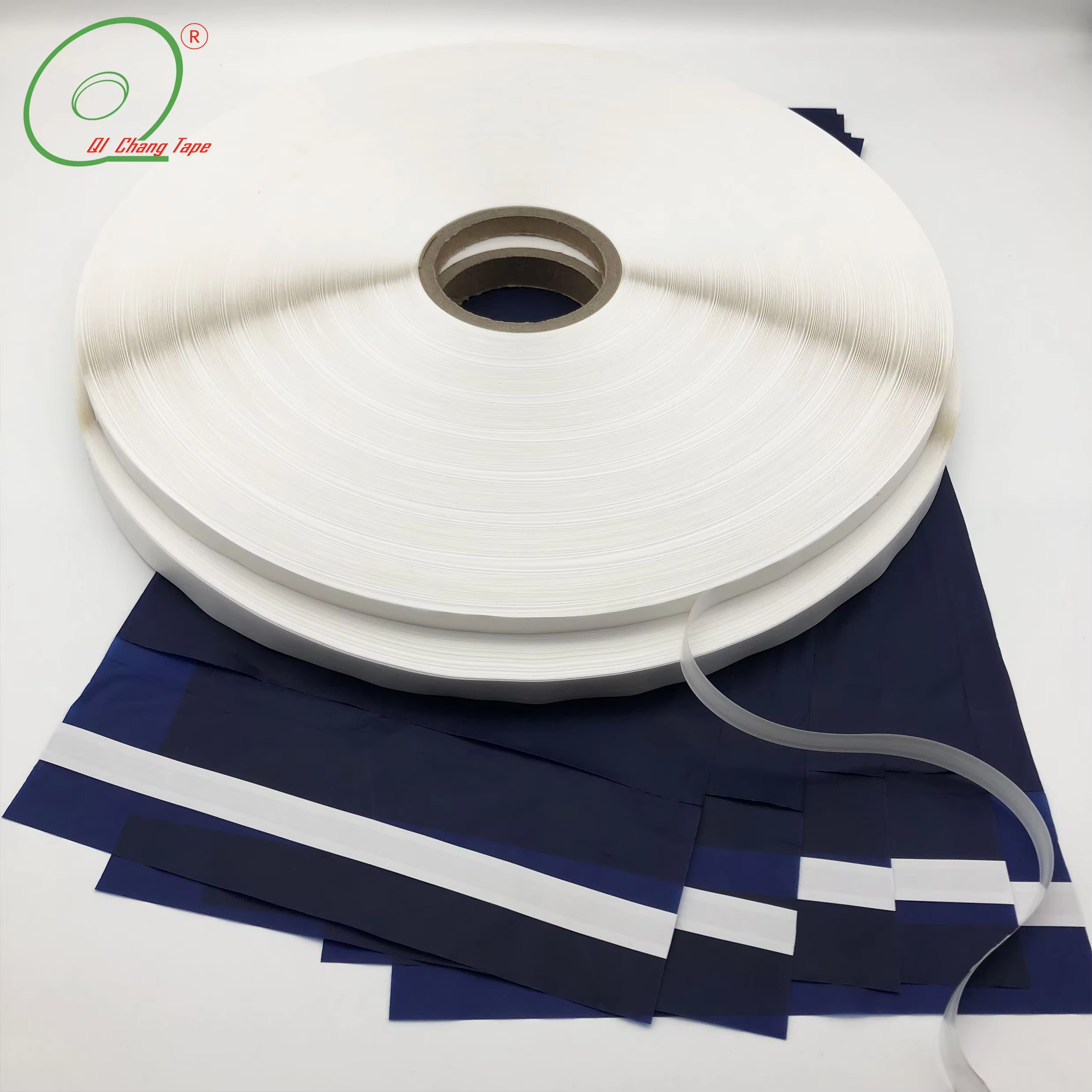
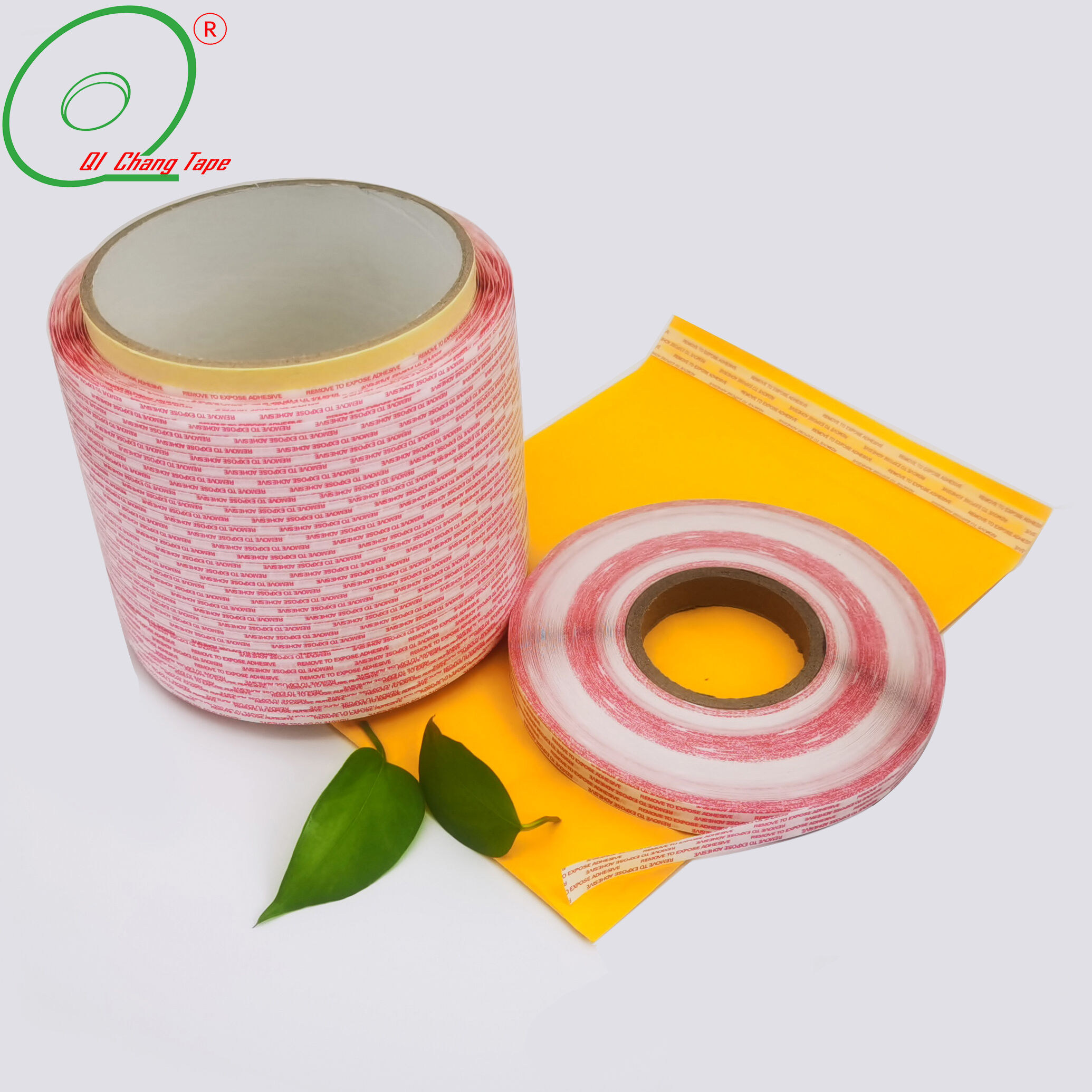
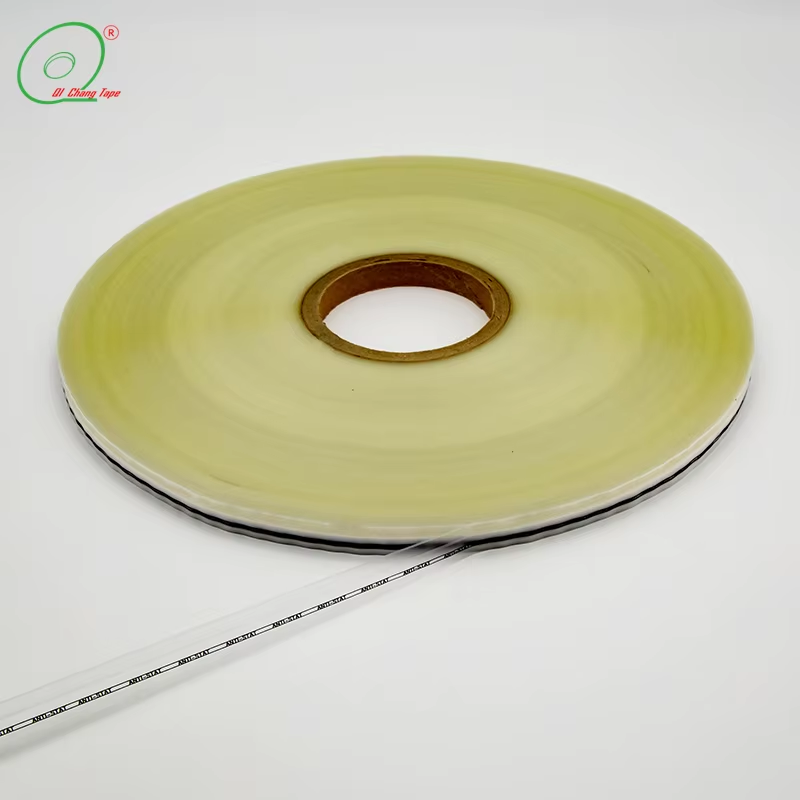
The remarkable versatility and processing compatibility of silicone paper release liners enable their successful integration across diverse manufacturing environments and applications, from precision electronics assembly to heavy-duty industrial production. This versatility stems from the inherent adaptability of silicone chemistry combined with various paper substrate options that can be tailored to meet specific application requirements. The compatibility extends to numerous converting processes including flexographic printing, rotary die-cutting, laminating, coating, and slitting operations, making silicone paper release liners suitable for complex multi-step manufacturing processes. The dimensional stability of silicone paper release liners prevents distortion during processing, ensuring accurate registration and consistent results across all converting operations. This stability proves crucial for applications requiring precise alignment, such as electronic component assembly or medical device manufacturing where positioning accuracy directly impacts product functionality and safety. The controlled moisture content and fiber orientation of the paper substrate contribute to consistent dimensional behavior under varying humidity and temperature conditions, reducing the risk of wrinkles, curling, or other deformations that could compromise processing efficiency. Surface printability represents another significant aspect of processing compatibility, as silicone paper release liners can accommodate various printing technologies for identification, branding, or instructional purposes. The reverse side of these liners provides excellent ink adhesion and print quality, enabling manufacturers to incorporate product information, lot codes, or decorative elements without requiring separate labeling operations. This integrated printing capability streamlines production processes and reduces material handling requirements. The conformability of silicone paper release liners allows them to adapt to textured or irregular surfaces while maintaining consistent release performance. This characteristic proves valuable for applications involving embossed materials, textured substrates, or three-dimensional components where rigid release materials might create air entrapment or incomplete contact. The flexibility of the silicone coating ensures intimate contact with substrate surfaces, preventing adhesive bypassing and maintaining uniform release characteristics. Compatibility with various adhesive chemistries makes silicone paper release liners suitable for applications involving acrylates, rubber-based adhesives, silicones, hot-melts, and other specialized bonding systems. This broad compatibility eliminates the need for multiple release liner types, simplifying inventory management and reducing the risk of material mix-ups during production. The neutral chemical nature of silicone coatings prevents interactions that might affect adhesive performance or curing characteristics, ensuring optimal final product properties. Environmental processing compatibility enables the use of silicone paper release liners in cleanroom environments, food-contact applications, and other sensitive manufacturing conditions where contamination control is critical. The low outgassing characteristics and absence of volatile additives make these liners suitable for applications requiring strict purity standards.

 EN
EN