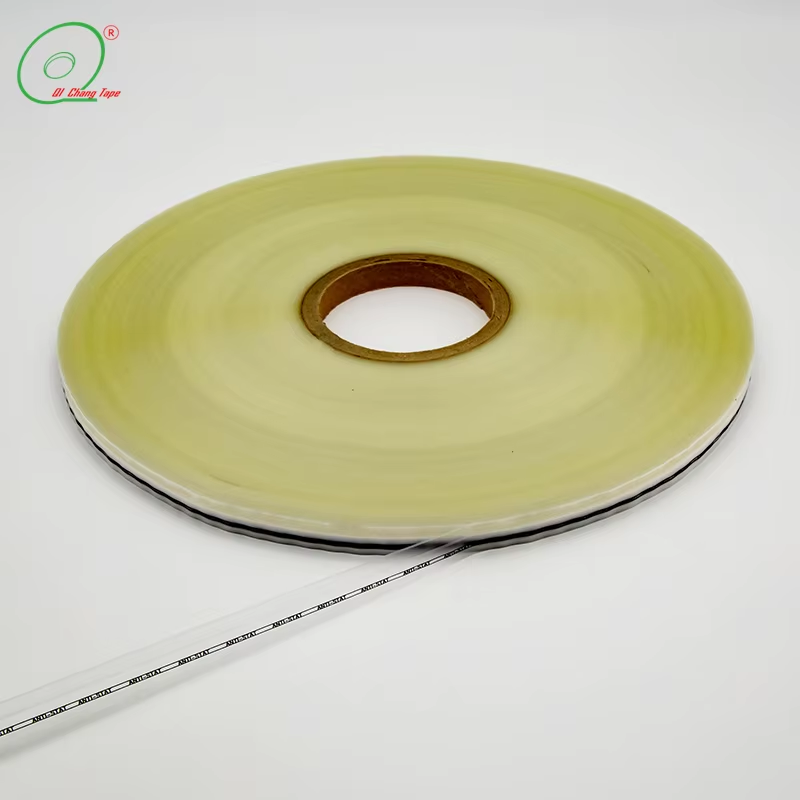
silicone coated paper release liner
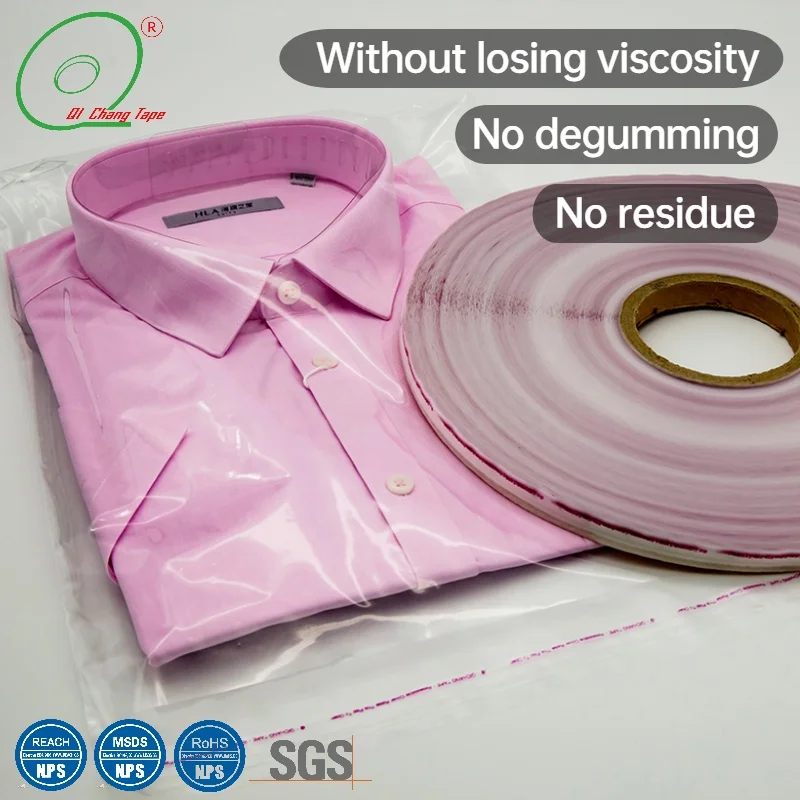
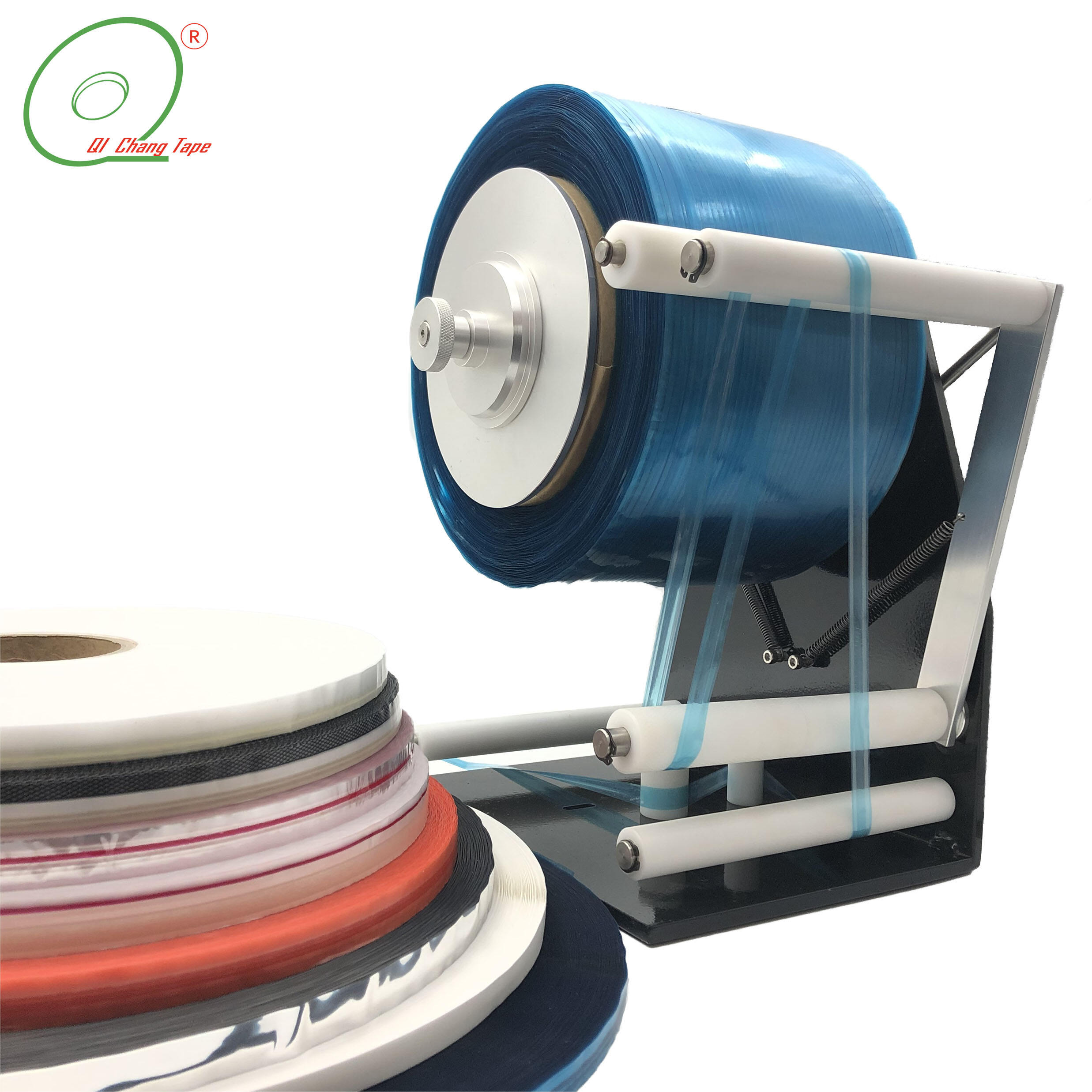
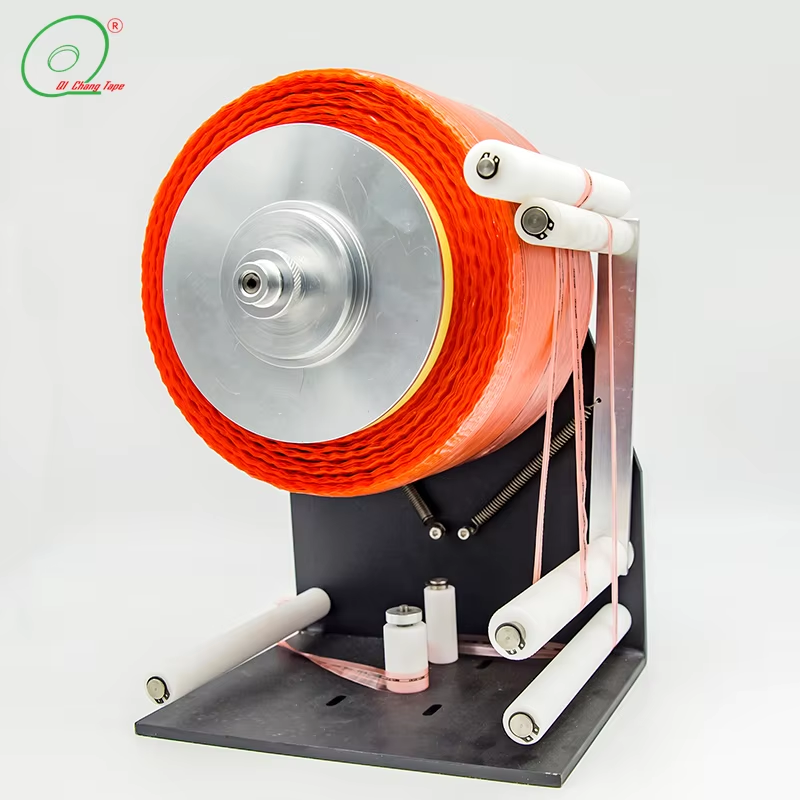
Silicone coated paper release liner represents a specialized material engineered to provide exceptional release properties for various industrial and commercial applications. This innovative product combines the strength and versatility of paper substrates with advanced silicone coating technology, creating a barrier that prevents adhesion while maintaining structural integrity. The silicone coated paper release liner functions as a protective backing for pressure-sensitive adhesives, tapes, labels, and other sticky materials during manufacturing, storage, and transportation processes. The primary function of this release liner involves creating a controlled separation interface that allows adhesive products to be easily removed when needed without damaging the underlying material or leaving residue. The technological features of silicone coated paper release liner include precise coating thickness control, uniform distribution across the surface, and customizable release levels ranging from easy to tight release characteristics. Manufacturing processes utilize advanced coating equipment that applies silicone formulations through gravure, knife-over-roll, or curtain coating methods, ensuring consistent performance across large production runs. The paper substrate typically consists of bleached kraft paper, glassine, or specialty papers that provide dimensional stability and surface smoothness required for optimal coating adhesion. Quality control measures monitor parameters such as release force, coating weight, penetration levels, and aging resistance to guarantee consistent performance. Applications for silicone coated paper release liner span numerous industries including automotive, electronics, medical devices, construction, packaging, and graphic arts. In the automotive sector, these liners support gaskets, weatherstripping, and decorative films. Electronics manufacturing relies on silicone coated paper release liner for component assembly, circuit board protection, and flexible circuit applications. Medical device manufacturers utilize these materials for wound care products, surgical tapes, and diagnostic equipment components where biocompatibility and reliable release properties are essential for patient safety and product efficacy.

 EN
EN