
 EN
EN
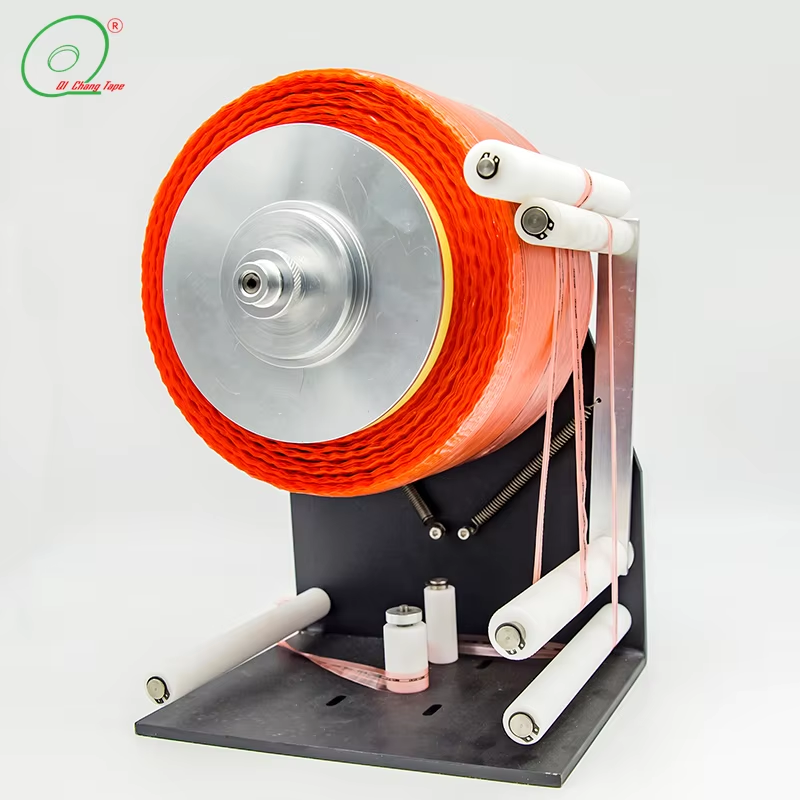
Selecting the right sealing solution for resealable bags requires careful consideration of multiple factors that directly impact product integrity, user experience, and operational efficiency. Modern packaging applications demand permanent bag sealing tape that delivers exceptional adhesion while maintaining easy-peel functionality for end users. Whether you're packaging electronics, food products, or industrial components, the choice of sealing tape can significantly influence customer satisfaction and product protection throughout the supply chain.
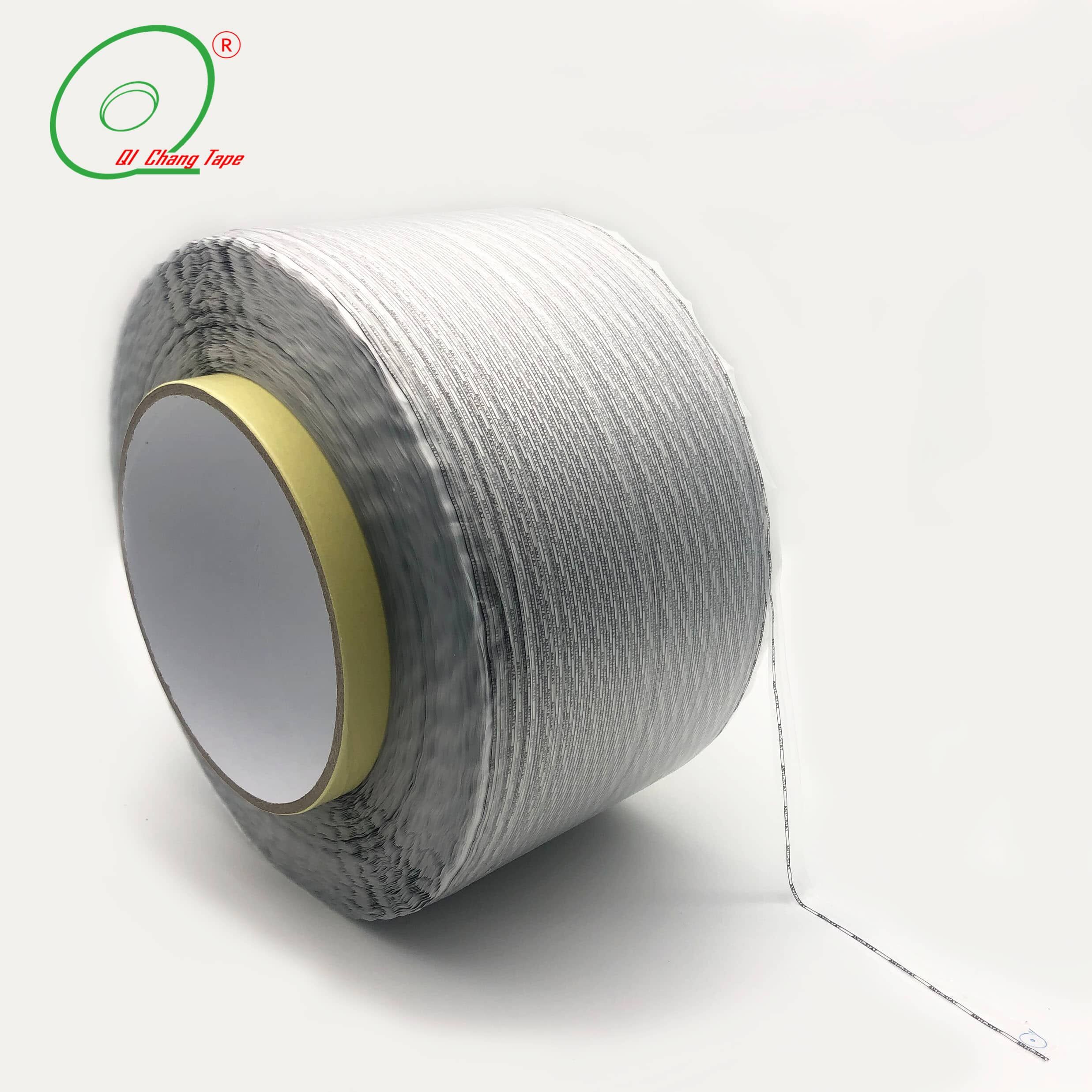
The packaging industry has witnessed remarkable innovations in adhesive technology, leading to sophisticated tape solutions that balance strong initial bonding with controlled release properties. Understanding the technical specifications and application requirements becomes crucial when evaluating different sealing tape options for your specific packaging needs. This comprehensive analysis explores the critical factors that influence tape selection and provides practical guidance for making informed decisions.
Understanding Adhesive Technology and Bonding Mechanisms
Adhesive Chemistry Fundamentals
The foundation of effective bag sealing lies in understanding how different adhesive chemistries interact with various substrate materials. Acrylic-based adhesives offer excellent environmental resistance and aging characteristics, making them ideal for applications requiring long-term storage stability. These formulations provide consistent bonding strength across temperature variations while maintaining their peel characteristics over extended periods.
Rubber-based adhesives deliver superior initial tack and conformability to irregular surfaces, ensuring complete contact between the tape and bag material. This immediate bonding capability proves essential when sealing textured or slightly contaminated surfaces. The viscoelastic properties of rubber adhesives allow for stress distribution across the bond line, reducing the likelihood of premature failure under mechanical stress.
Hot-melt adhesive systems represent another category that offers unique advantages in high-speed packaging operations. These thermoplastic materials provide rapid setting times and excellent cohesive strength, making them suitable for automated application processes. The thermal activation properties of hot-melt systems enable precise control over bonding initiation and final adhesion levels.
Substrate Compatibility Considerations
Material compatibility between the adhesive system and bag substrate significantly influences sealing performance and reliability. Polyethylene bags require adhesives formulated specifically for low-surface-energy materials, typically incorporating surface-active components that promote wetting and adhesion. The crystalline structure of polyethylene presents unique challenges that demand specialized adhesive formulations.
Polypropylene substrates exhibit different surface characteristics that affect adhesive selection criteria. The higher surface energy of oriented polypropylene films generally provides better adhesion compared to cast films, but both require careful consideration of adhesive chemistry to achieve optimal performance. Surface treatments such as corona discharge or flame treatment can significantly enhance bonding characteristics.
Multi-layer laminated materials introduce additional complexity in adhesive selection due to varying surface properties and potential migration of internal components. Understanding the complete substrate composition enables proper adhesive matching and helps predict long-term performance characteristics under various storage and handling conditions.
Evaluating Peel Characteristics and User Experience
Controlled Release Properties
Achieving the ideal balance between permanent sealing and easy opening requires sophisticated adhesive engineering that incorporates controlled release mechanisms. Progressive adhesive failure modes allow users to initiate peeling at controlled force levels while maintaining sufficient bond strength to prevent accidental opening. This delicate balance depends on precise adhesive formulation and backing material selection.
Peel angle sensitivity plays a crucial role in user experience, with optimized tape designs providing consistent opening forces across different peel angles. Professional-grade permanent bag sealing tape incorporates advanced adhesive systems that maintain predictable peel characteristics regardless of opening technique. This consistency ensures reliable performance across diverse user populations and handling scenarios.
Temperature effects on peel characteristics require careful evaluation during tape selection, particularly for applications involving temperature variations during storage or transport. Adhesive systems must maintain their controlled release properties across the expected temperature range while avoiding either excessive adhesion or premature failure at temperature extremes.
Ergonomic Design Features
User-friendly design elements significantly impact the practical performance of resealable bag sealing systems. Tab extensions or finger lifts provide convenient gripping points that facilitate controlled peel initiation without compromising the main seal integrity. These design features become particularly important in applications where users may have limited dexterity or when working with gloves.
Visual indicators such as perforation lines or color coding help users identify proper opening locations and techniques. Clear marking systems reduce the likelihood of improper opening attempts that could damage the bag or compromise the reseal capability. Professional packaging designers incorporate these visual cues seamlessly into the overall package aesthetics.
Tactile feedback during the opening process provides users with confidence in proper seal removal. Well-designed permanent bag sealing tape systems offer distinct resistance changes that signal successful peel initiation and progression. This feedback mechanism helps prevent over-aggressive opening techniques that might damage the bag or product contents.
Environmental Resistance and Durability Factors
Moisture and Humidity Performance
Environmental exposure conditions significantly influence the long-term performance of bag sealing systems, particularly in applications involving varying humidity levels or direct moisture contact. Adhesive formulations must resist moisture absorption that could compromise bond strength or alter peel characteristics over time. Hydrophobic additives and barrier coatings enhance moisture resistance in demanding applications.
Humidity cycling presents unique challenges for permanent bag sealing tape applications, as repeated expansion and contraction can stress the adhesive bond line. Superior formulations maintain stable performance through multiple humidity cycles while preserving both adhesion and controlled release properties. This stability proves essential for products with extended shelf life requirements.
Condensation resistance becomes critical in applications involving temperature transitions that promote moisture formation on package surfaces. Advanced tape systems incorporate moisture management features that prevent adhesive degradation even under challenging condensation conditions. These capabilities ensure consistent performance throughout the distribution chain.
Chemical Compatibility and Contamination Resistance
Chemical exposure from packaged products or external contaminants can significantly impact tape performance and safety. Comprehensive chemical compatibility testing ensures that selected adhesive systems remain stable when exposed to specific product formulations or environmental chemicals. This testing becomes particularly important for pharmaceutical, food, and chemical packaging applications.
Contamination resistance properties help maintain seal integrity even when exposed to dust, oils, or other surface contaminants that might interfere with proper adhesion. Specialized surface treatments and adhesive formulations provide enhanced tolerance to light contamination without compromising sealing performance. This capability proves valuable in industrial environments where perfect cleanliness cannot always be guaranteed.
Migration resistance prevents adhesive components from transferring to packaged products, ensuring product purity and regulatory compliance. Low-migration formulations utilize carefully selected base polymers and additives that minimize the potential for unwanted component transfer while maintaining necessary adhesive properties.
Quality Specifications and Testing Standards
Adhesion Strength Measurements
Standardized testing protocols provide objective measures of adhesive performance that enable reliable comparison between different tape options. Peel adhesion testing according to ASTM standards quantifies the force required to remove tape from specific substrates under controlled conditions. These measurements help predict real-world performance and establish quality benchmarks for incoming material inspection.
Shear strength testing evaluates the tape's resistance to sliding forces that might occur during handling or transport. High shear strength prevents seal displacement under mechanical stress while maintaining the desired peel characteristics for end users. This property becomes particularly important for heavy or bulky packaged items that generate significant handling forces.
Tack measurements assess the immediate bonding capability of permanent bag sealing tape upon application. Proper tack levels ensure reliable sealing even under less-than-ideal application conditions while avoiding excessive grab that might complicate positioning adjustments during application. Balancing tack with other performance parameters requires careful adhesive optimization.
Durability and Aging Characteristics
Accelerated aging tests simulate long-term storage conditions to predict tape performance over extended periods. Temperature cycling, UV exposure, and humidity conditioning reveal potential degradation mechanisms that might affect seal reliability or peel characteristics. These tests help establish appropriate shelf life recommendations and storage requirements.
Creep resistance testing evaluates the tape's ability to maintain dimensional stability under constant stress over time. Excessive creep can lead to seal failure or changes in peel characteristics that compromise user experience. High-quality formulations resist creep while maintaining flexibility for conformability to substrate variations.
Temperature range specifications define the operational limits within which the tape maintains its designed performance characteristics. Understanding these limits helps identify appropriate applications and storage requirements while avoiding performance issues related to temperature extremes. Professional-grade products typically offer wider operational temperature ranges for versatility.
Application Methods and Process Considerations
Manual Application Techniques
Proper application technique significantly influences the ultimate performance of permanent bag sealing tape systems. Surface preparation requirements vary depending on substrate materials and contamination levels, but generally include cleaning and drying procedures that optimize adhesive contact. Training operators in proper application methods ensures consistent results across production batches.
Application pressure and dwell time affect initial bond formation and ultimate adhesion development. Insufficient pressure may result in incomplete adhesive contact, while excessive pressure could damage sensitive substrates or cause adhesive squeeze-out. Optimal parameters depend on specific tape formulations and substrate combinations, requiring validation during process development.
Environmental conditions during application influence both immediate bond formation and long-term performance characteristics. Temperature and humidity levels affect adhesive flow properties and curing behavior, making environmental control important for consistent results. Application guidelines should specify acceptable environmental ranges for optimal performance.
Automated Application Systems
High-speed packaging operations require tape systems specifically designed for automated application equipment. Unwind characteristics, dimensional stability, and consistent adhesive distribution become critical factors for reliable machine operation. Specialized backing materials and adhesive formulations optimize performance in automated systems while maintaining end-user functionality.
Dispensing equipment compatibility ensures smooth operation without adhesive buildup or release liner issues that could cause production interruptions. Machine settings optimization, including tension control and application speed, requires coordination between tape suppliers and equipment manufacturers to achieve optimal results. Regular maintenance and calibration procedures maintain consistent application quality.
Quality monitoring systems in automated operations help detect application defects or tape performance variations that could affect product quality. Vision systems and force monitoring provide real-time feedback on seal quality and enable rapid correction of processing issues. Integration of these monitoring capabilities with tape selection criteria improves overall packaging reliability.
FAQ
What factors determine the optimal peel force for resealable bag sealing tape?
The optimal peel force depends on several factors including the target user demographic, package size and weight, and intended usage frequency. Generally, forces between 2-8 pounds per inch of width provide good balance between security and user accessibility. Elderly users or those with limited dexterity may require lower peel forces, while industrial applications might accommodate higher forces for enhanced security. Testing with actual users helps determine the most appropriate force level for specific applications.
How does substrate surface energy affect permanent bag sealing tape selection?
Surface energy significantly influences adhesive wetting and bond formation, with low-energy surfaces like polyethylene requiring specialized adhesive formulations for proper adhesion. High surface energy substrates generally provide better wetting and stronger bonds with standard adhesives. Surface treatments such as corona discharge can increase surface energy and improve adhesion, but may affect other substrate properties. Matching adhesive chemistry to substrate surface energy ensures optimal bonding performance and reliability.
What environmental storage conditions can affect tape performance over time?
Temperature extremes, humidity variations, UV exposure, and chemical contaminants can all impact permanent bag sealing tape performance during storage. High temperatures may soften adhesives and increase peel forces, while low temperatures can make adhesives brittle and reduce conformability. Humidity cycling can cause dimensional changes and affect adhesion, particularly on moisture-sensitive substrates. Proper storage in controlled environments helps maintain consistent performance characteristics throughout the product shelf life.
How can you verify the quality and consistency of bag sealing tape before implementation?
Quality verification should include adhesion testing on actual substrate materials, peel force measurements across different angles and speeds, and environmental conditioning tests simulating actual use conditions. Batch-to-batch consistency evaluation helps identify potential supply chain issues before they impact production. Pilot testing with actual products and packaging processes reveals performance issues that laboratory testing might not detect. Establishing acceptance criteria based on application requirements provides objective quality standards for incoming material inspection.
Table of Contents
- Understanding Adhesive Technology and Bonding Mechanisms
- Evaluating Peel Characteristics and User Experience
- Environmental Resistance and Durability Factors
- Quality Specifications and Testing Standards
- Application Methods and Process Considerations
-
FAQ
- What factors determine the optimal peel force for resealable bag sealing tape?
- How does substrate surface energy affect permanent bag sealing tape selection?
- What environmental storage conditions can affect tape performance over time?
- How can you verify the quality and consistency of bag sealing tape before implementation?