
 EN
EN
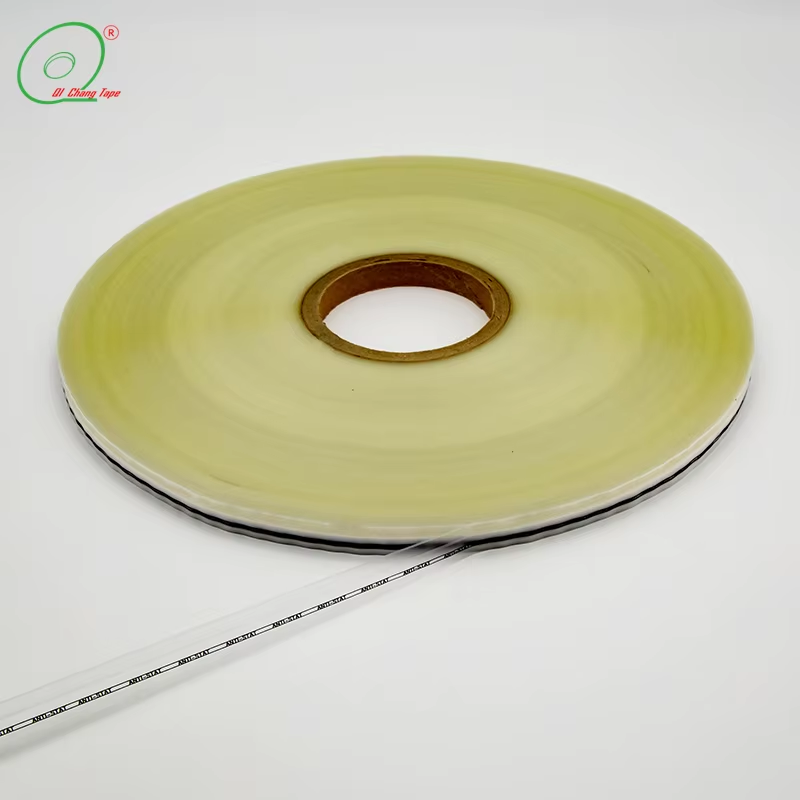
The modern logistics industry demands innovative packaging solutions that ensure product integrity during transit while maintaining cost-effectiveness. Among the various protective materials available today, silicone coated liner for courier bag applications has emerged as a game-changing technology that addresses multiple challenges faced by shipping companies and e-commerce businesses. This advanced material combines the protective properties of high-density polyethylene with specialized silicone coating technology to create an exceptionally reliable barrier against moisture, contamination, and physical damage.
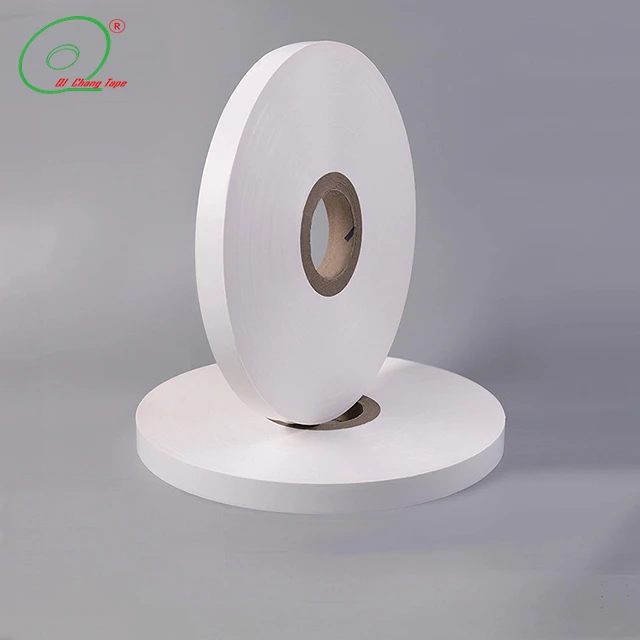
The evolution of courier bag technology has been driven by increasing consumer expectations for package quality and the growing complexity of global supply chains. Traditional packaging materials often fall short when it comes to providing adequate protection against environmental factors such as humidity, temperature fluctuations, and physical stress during handling. The introduction of silicone coated liner for courier bag manufacturing has revolutionized how businesses approach protective packaging, offering superior performance characteristics that significantly reduce damage rates and improve customer satisfaction.
Understanding Silicone Coated Liner Technology
Material Composition and Manufacturing Process
The production of silicone coated liner for courier bag applications involves a sophisticated manufacturing process that begins with high-quality HDPE substrate material. This base layer provides structural integrity and tear resistance, while the silicone coating is applied using advanced precision coating techniques to ensure uniform coverage and optimal adhesion. The resulting material exhibits exceptional release properties, making it ideal for applications where easy separation from adhesive surfaces is required without leaving residue or compromising the integrity of the protected items.
During the coating process, specialized silicone formulations are applied at controlled temperatures and pressures to create a molecular bond with the substrate material. This process ensures that the silicone layer maintains its protective properties throughout the expected service life of the courier bag. The thickness of the silicone coating can be precisely controlled to meet specific performance requirements, allowing manufacturers to customize the material for different applications and environmental conditions.
Chemical Properties and Performance Characteristics
The unique chemical structure of silicone coated liner for courier bag applications provides several distinct advantages over conventional packaging materials. The silicone layer exhibits excellent chemical inertness, meaning it does not react with most common substances that might be encountered during shipping and handling. This property is particularly valuable when transporting sensitive items such as pharmaceuticals, electronics, or food products that could be adversely affected by chemical interactions with packaging materials.
Temperature stability represents another critical performance characteristic of this material. Unlike many plastic films that become brittle at low temperatures or soft at high temperatures, silicone coated liner maintains its mechanical properties across a wide temperature range. This stability ensures reliable protection whether packages are stored in refrigerated facilities, transported through desert climates, or exposed to seasonal temperature variations during extended transit periods.
Applications in Modern Courier Services
E-commerce and Online Retail Protection
The explosive growth of e-commerce has created unprecedented demands for reliable packaging solutions that can protect diverse product categories during last-mile delivery. Silicone coated liner for courier bag construction has become increasingly popular among online retailers who need to ensure that products reach customers in perfect condition regardless of shipping distance or handling conditions. The material's excellent moisture barrier properties make it particularly suitable for protecting textiles, electronics, and other moisture-sensitive items.
Many leading e-commerce platforms have adopted courier bags featuring silicone coated liner technology as part of their standard packaging protocols. This adoption has been driven by measurable reductions in return rates and customer complaints related to packaging damage. The superior tear resistance of the material also helps prevent tampering and provides visual evidence if package integrity has been compromised during transit, which is crucial for maintaining consumer trust in online shopping experiences.
Pharmaceutical and Medical Device Shipping
The pharmaceutical industry places extraordinary demands on packaging materials due to stringent regulatory requirements and the critical nature of medical products. Silicone coated liner for courier bag applications in this sector must meet specific standards for cleanliness, chemical compatibility, and barrier protection. The inert nature of silicone coating ensures that pharmaceutical products remain uncontaminated during shipping, while the material's low extractable content minimizes the risk of chemical migration that could affect drug efficacy.
Medical device manufacturers have also embraced this technology for shipping sterile products and sensitive diagnostic equipment. The excellent release properties of the silicone coating facilitate easy opening of packages without generating particles that could contaminate sterile environments. Additionally, the material's resistance to sterilization methods such as gamma radiation and ethylene oxide treatment makes it suitable for use with pre-sterilized medical products that require specialized handling throughout the distribution chain.
Environmental Benefits and Sustainability
Recyclability and Waste Reduction
Environmental sustainability has become a critical consideration in packaging design, and silicone coated liner for courier bag manufacturing offers several advantages in this regard. The HDPE substrate used in these materials is widely recyclable through existing plastic recycling infrastructure, helping to reduce the environmental impact of packaging waste. Many manufacturers have implemented closed-loop recycling programs where used courier bags are collected, processed, and converted into new packaging materials, creating a more sustainable supply chain.
The durability of silicone coated liner materials also contributes to waste reduction by minimizing package failures that result in product damage and disposal. When products arrive damaged due to inadequate packaging, both the product and packaging materials become waste, representing a significant environmental cost. By providing superior protection, these advanced liner materials help ensure that products complete their journey successfully, reducing overall waste generation in the logistics system.
Energy Efficiency in Production and Transport
The manufacturing process for silicone coated liner for courier bag production has been optimized for energy efficiency through the use of advanced coating technologies and process control systems. Modern production facilities utilize waste heat recovery systems and energy-efficient curing processes that minimize the carbon footprint of material production. These improvements have made silicone coated liners more environmentally friendly compared to alternative packaging materials that require more energy-intensive manufacturing processes.
From a transportation perspective, the lightweight nature of silicone coated liner materials helps reduce fuel consumption during shipping. The material's excellent strength-to-weight ratio means that less material is required to achieve the same level of protection compared to heavier alternatives. This weight reduction translates into lower transportation costs and reduced greenhouse gas emissions, making it an environmentally responsible choice for businesses looking to minimize their logistics carbon footprint.
Cost-Effectiveness and Economic Advantages
Total Cost of Ownership Analysis
When evaluating packaging materials for courier applications, it is essential to consider the total cost of ownership rather than just initial material costs. Silicone coated liner for courier bag construction may have a higher upfront cost compared to basic plastic films, but the superior protection it provides often results in significant cost savings through reduced damage claims, fewer returns, and improved customer satisfaction. Companies that have conducted comprehensive cost analyses typically find that the investment in higher-quality packaging materials pays for itself through operational improvements and risk reduction.
The durability of silicone coated liner materials also contributes to cost-effectiveness by reducing the likelihood of package failures that result in additional shipping costs and customer service expenses. When packages arrive damaged, companies must not only absorb the cost of replacing the damaged items but also handle customer complaints, process returns, and potentially lose future business due to negative customer experiences. By investing in more reliable packaging materials, businesses can avoid these hidden costs while building stronger customer relationships.
Supply Chain Efficiency Improvements
The implementation of silicone coated liner for courier bag applications can lead to significant improvements in supply chain efficiency through reduced handling requirements and improved package integrity. The material's excellent release properties minimize the risk of packages sticking together during storage and transportation, which can cause delays and additional handling costs. This characteristic is particularly valuable in automated sorting facilities where package jams can disrupt operations and reduce throughput capacity.
Quality consistency represents another important economic advantage of using silicone coated liner materials. The precise manufacturing process ensures that each batch of material meets strict performance specifications, reducing variability in packaging performance and making it easier to predict and manage logistics costs. This consistency helps companies optimize their packaging processes and reduce waste from defective materials, contributing to overall operational efficiency and cost control.
Quality Control and Testing Standards
Industry Certification Requirements
The use of silicone coated liner for courier bag manufacturing is subject to various industry standards and certification requirements that ensure consistent quality and performance. Organizations such as ASTM International and the International Safe Transit Association have developed comprehensive testing protocols that evaluate critical properties such as tensile strength, tear resistance, moisture barrier performance, and chemical compatibility. Manufacturers must demonstrate compliance with these standards through rigorous testing and quality control procedures.
Certification processes typically involve both initial qualification testing and ongoing quality monitoring to ensure that production materials continue to meet specified performance criteria. This includes batch testing of raw materials, in-process quality checks during manufacturing, and final product validation before shipment to customers. The documentation requirements associated with these certification programs provide customers with confidence in material performance and help ensure regulatory compliance in regulated industries.
Performance Validation Methods
Advanced testing methodologies have been developed specifically to evaluate the performance of silicone coated liner for courier bag applications under realistic service conditions. These tests simulate the stresses and environmental conditions that packages encounter during typical shipping and handling operations, including drop testing, vibration testing, and environmental cycling. The results of these tests help manufacturers optimize material formulations and customers select appropriate packaging solutions for their specific applications.
Long-term performance validation involves accelerated aging tests that predict how materials will perform over extended storage periods and under various environmental conditions. These tests are particularly important for applications where packages may be stored for extended periods before final delivery or where products have long shelf lives. The data generated through these testing programs helps establish appropriate storage conditions and expiration dates for packaged products.
Future Trends and Innovations
Smart Packaging Integration
The integration of smart technologies with silicone coated liner for courier bag applications represents an exciting frontier in packaging innovation. Researchers are developing methods to incorporate sensors, RFID tags, and other electronic components directly into the liner material without compromising its protective properties. These smart packaging solutions can provide real-time information about package location, environmental conditions, and integrity status throughout the shipping process.
Temperature and humidity sensors embedded in silicone coated liner materials could provide valuable data for cold chain management and quality assurance applications. This technology would allow shippers and recipients to verify that sensitive products have been maintained within acceptable environmental ranges throughout the transportation process. Such capabilities are particularly valuable for pharmaceutical and food applications where product quality depends on maintaining specific storage conditions.
Advanced Material Formulations
Ongoing research and development efforts are focused on creating new formulations of silicone coated liner for courier bag applications that offer enhanced performance characteristics. These advanced materials may incorporate nanoparticles or other additives that provide improved barrier properties, antimicrobial effects, or enhanced mechanical strength. The development of bio-based silicone alternatives also represents an important area of innovation for companies seeking to reduce their environmental impact.
Customization capabilities are also expanding, with manufacturers developing the ability to create materials with tailored properties for specific applications. This might include varying the silicone coating thickness across different areas of the liner to provide enhanced protection in high-stress zones while maintaining cost-effectiveness in less critical areas. Such customization allows for optimal material utilization and performance optimization for specific shipping applications.
FAQ
What temperature range can silicone coated liner withstand during shipping
Silicone coated liner for courier bag applications typically maintains its protective properties across a temperature range from -40°F to 300°F (-40°C to 150°C). This wide operating range ensures reliable performance whether packages are transported through extreme cold conditions or exposed to high temperatures during storage in unventilated vehicles or warehouses. The material's thermal stability prevents cracking, brittleness, or softening that could compromise package integrity under temperature stress.
How does silicone coated liner compare to traditional plastic films in terms of moisture protection
Silicone coated liner materials typically provide superior moisture barrier protection compared to standard polyethylene or polypropylene films. The silicone coating creates an additional barrier layer that significantly reduces water vapor transmission rates, often by 50-80% compared to uncoated materials. This enhanced moisture protection is particularly valuable for protecting electronics, textiles, and other moisture-sensitive products during extended shipping periods or in humid environments.
Can silicone coated liner materials be customized for specific courier bag applications
Yes, silicone coated liner for courier bag manufacturing can be extensively customized to meet specific application requirements. Manufacturers can adjust coating thickness, modify silicone formulations for enhanced chemical resistance, incorporate colored coatings for identification purposes, or add specialized surface textures for improved handling characteristics. Custom printing and branding options are also available, allowing companies to integrate their marketing messages directly into the protective liner material.
What are the storage requirements for courier bags with silicone coated liner
Courier bags featuring silicone coated liner should be stored in a clean, dry environment with temperatures between 50°F and 90°F (10°C to 32°C) for optimal performance and longevity. The storage area should be protected from direct sunlight and sources of ozone, which can degrade silicone materials over time. Proper storage also involves keeping the bags away from sharp objects that could puncture or tear the liner material, and ensuring adequate ventilation to prevent moisture accumulation that could affect adhesive properties.
Table of Contents
- Understanding Silicone Coated Liner Technology
- Applications in Modern Courier Services
- Environmental Benefits and Sustainability
- Cost-Effectiveness and Economic Advantages
- Quality Control and Testing Standards
- Future Trends and Innovations
-
FAQ
- What temperature range can silicone coated liner withstand during shipping
- How does silicone coated liner compare to traditional plastic films in terms of moisture protection
- Can silicone coated liner materials be customized for specific courier bag applications
- What are the storage requirements for courier bags with silicone coated liner