
 EN
EN
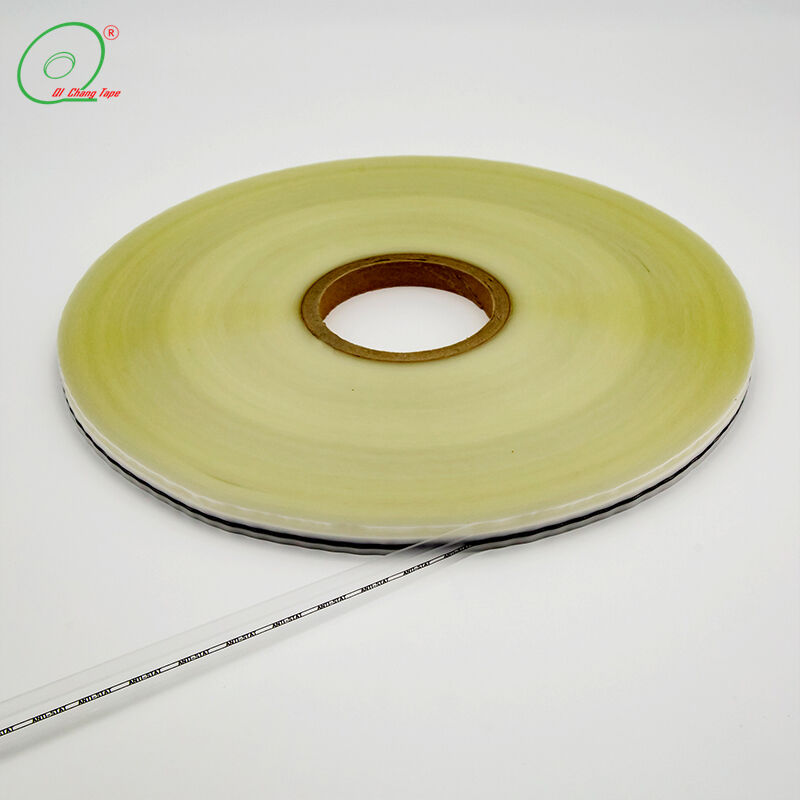
Selecting the right supplier for bag sealing tape is a critical decision that can significantly impact your packaging operations, product quality, and overall business success. The choice of bag sealing tape supplier affects everything from production efficiency to customer satisfaction, making it essential to evaluate potential partners thoroughly. Understanding the key factors that distinguish reliable suppliers from mediocre ones will help you make an informed decision that supports your long-term business objectives. This comprehensive guide explores the essential considerations when choosing a bag sealing tape supplier, ensuring you partner with a provider that meets your specific requirements and delivers consistent quality.
Quality Standards and Product Specifications
Material Composition and Durability
The foundation of superior bag sealing tape lies in its material composition and construction quality. Premium suppliers utilize high-grade adhesive formulations that ensure strong, lasting bonds across various substrate materials including LDPE, PP, and CPP films. The tape's backing material should demonstrate excellent tensile strength, resistance to temperature fluctuations, and compatibility with different packaging environments. Evaluating the supplier's quality control processes helps determine their commitment to maintaining consistent product specifications throughout production runs.
When assessing material durability, consider how the bag sealing tape performs under stress conditions such as storage temperature variations, humidity changes, and mechanical handling. Reliable suppliers provide detailed technical specifications including peel strength measurements, shear resistance values, and environmental performance data. These metrics enable you to verify that the tape will maintain its sealing integrity throughout your product's lifecycle, from manufacturing to end-user delivery.
Adhesive Performance Characteristics
The adhesive component of bag sealing tape determines its effectiveness in creating secure, tamper-evident seals. Superior adhesive formulations offer optimal balance between initial tack and long-term holding power, ensuring immediate bonding while maintaining seal integrity over extended periods. Evaluate suppliers based on their ability to customize adhesive properties according to your specific application requirements, including cold temperature performance, chemical resistance, and removability characteristics.
Advanced bag sealing tape suppliers invest in research and development to create specialized adhesive systems that address unique industry challenges. Consider suppliers who can demonstrate their adhesive technology's performance through independent testing results, case studies, and application-specific validation data. This technical expertise becomes particularly valuable when dealing with challenging substrates or demanding environmental conditions that require specialized sealing solutions.
Manufacturing Capabilities and Capacity
Production Scale and Flexibility
A supplier's manufacturing capacity directly impacts their ability to meet your volume requirements consistently and accommodate future growth. Assess the supplier's production facilities, equipment capabilities, and workforce expertise to ensure they can handle both current order quantities and potential scaling needs. Reliable bag sealing tape manufacturers maintain adequate production capacity margins to prevent supply disruptions during peak demand periods or unexpected order increases.
Manufacturing flexibility encompasses the supplier's ability to adapt production parameters for custom specifications, varying order sizes, and special requirements. Evaluate whether the supplier can efficiently handle small prototype runs alongside large production orders without compromising quality or delivery timelines. This flexibility becomes crucial when introducing new products or responding to market changes that require modified tape specifications.
Quality Control and Testing Procedures
Comprehensive quality control systems distinguish professional bag sealing tape suppliers from commodity providers. Examine the supplier's testing procedures, equipment calibration protocols, and statistical process control methods to ensure consistent product quality. Leading suppliers implement multi-stage quality checkpoints throughout production, from raw material inspection to final product validation, maintaining detailed documentation for traceability purposes.
Advanced testing capabilities should include adhesion strength measurements, environmental stress testing, and compatibility assessments with various packaging materials. Suppliers who invest in state-of-the-art testing equipment and maintain certified quality management systems demonstrate their commitment to delivering reliable products that meet or exceed industry standards consistently.
Technical Support and Customization Services
Application Engineering Expertise
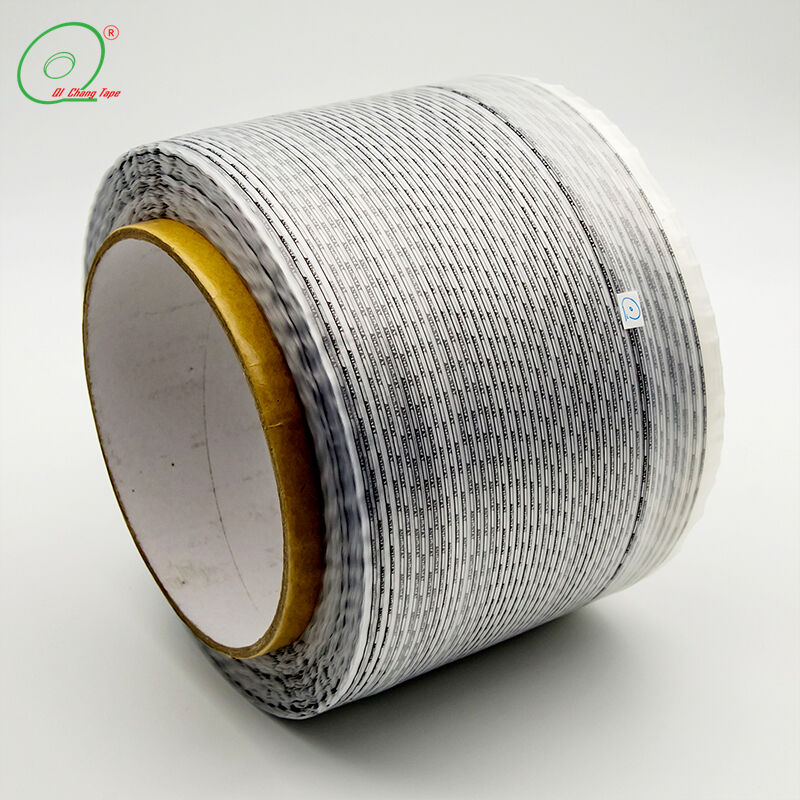
Technical support capabilities separate exceptional suppliers from basic tape providers, offering valuable expertise in application optimization and problem-solving. Experienced suppliers provide application engineering services that help identify the most suitable bag sealing tape specifications for specific packaging requirements. This expertise includes understanding the interaction between tape properties, substrate characteristics, and application conditions to optimize sealing performance.
Evaluate suppliers based on their technical team's experience with similar applications and their ability to provide practical recommendations for improving packaging efficiency. Superior suppliers offer on-site consulting services, application testing support, and troubleshooting assistance that helps optimize your packaging operations while minimizing material waste and production downtime.
Custom Product Development
The ability to develop customized bag sealing tape solutions sets premium suppliers apart from standard product providers. Assess the supplier's research and development capabilities, including their willingness to collaborate on specialized formulations, unique dimensions, or modified performance characteristics. Custom development services become particularly valuable when addressing specific industry requirements or differentiating your packaging from competitors.
Leading suppliers maintain dedicated product development teams that work closely with customers to create tailored solutions addressing unique challenges. Evaluate their track record of successful custom projects, development timelines, and intellectual property protection policies to ensure your investment in custom products yields competitive advantages while maintaining confidentiality.
Supply Chain Reliability and Logistics
Inventory Management and Lead Times
Reliable supply chain performance ensures uninterrupted production operations and minimizes inventory carrying costs. Evaluate potential suppliers based on their inventory management systems, raw material sourcing strategies, and ability to maintain consistent lead times across varying order patterns. Professional bag sealing tape suppliers implement sophisticated demand forecasting and inventory optimization systems that prevent stockouts while minimizing excess inventory costs.
Consider suppliers who offer flexible delivery scheduling, emergency stock programs, and vendor-managed inventory services that align with your production planning requirements. These services help optimize working capital utilization while ensuring material availability when needed, particularly during seasonal demand fluctuations or unexpected production schedule changes.
Geographic Coverage and Distribution Network
A supplier's geographic presence and distribution capabilities affect delivery reliability, transportation costs, and service responsiveness. Assess whether the supplier maintains strategically located warehouses, regional service centers, and logistics partnerships that support your operational footprint. Local or regional suppliers often provide faster response times and reduced transportation costs, while global suppliers may offer better pricing through economies of scale.
Evaluate the supplier's distribution network resilience, including backup transportation options, emergency delivery capabilities, and contingency plans for supply chain disruptions. Strong distribution partnerships and multiple fulfillment locations provide supply security that protects your operations from unforeseen logistics challenges or regional disruptions.
Cost Structure and Value Proposition
Total Cost of Ownership Analysis
While unit price represents an important consideration, total cost of ownership provides a more comprehensive evaluation of supplier value. Assess factors including product yield efficiency, application waste rates, storage requirements, and handling characteristics that impact overall cost effectiveness. Superior bag sealing tape products often demonstrate lower total costs despite higher unit prices through improved application efficiency and reduced waste generation.
Consider indirect costs such as quality issues, delivery delays, and technical support requirements that can significantly impact operational expenses. Suppliers who consistently deliver quality products with reliable service may provide better long-term value despite competitive initial pricing from alternatives with higher hidden costs.
Pricing Structure and Contract Terms
Transparent pricing structures and flexible contract terms facilitate effective cost management and budgeting accuracy. Evaluate suppliers based on their willingness to provide detailed cost breakdowns, volume discount schedules, and pricing stability commitments that support financial planning requirements. Professional suppliers offer structured pricing agreements that balance cost competitiveness with fair profit margins supporting continued service quality.
Contract flexibility becomes important when managing changing business requirements, seasonal demand variations, and market fluctuations. Assess suppliers who offer reasonable payment terms, modification clauses, and performance guarantees that protect your interests while maintaining mutually beneficial partnerships that support long-term collaboration.
Regulatory Compliance and Certifications
Industry Standards and Certifications
Compliance with relevant industry standards ensures that bag sealing tape products meet safety, performance, and environmental requirements applicable to your specific applications. Evaluate suppliers based on their certifications, quality management system compliance, and adherence to industry-specific regulations such as food contact requirements, medical device standards, or hazardous material packaging guidelines.
Leading suppliers maintain current certifications from recognized organizations and invest in ongoing compliance monitoring to ensure continued adherence to evolving regulatory requirements. This commitment to compliance reduces your liability exposure while ensuring product acceptance in regulated markets or applications requiring specific certifications.
Environmental Responsibility and Sustainability
Environmental considerations increasingly influence supplier selection decisions as companies prioritize sustainability initiatives and regulatory compliance. Assess potential suppliers based on their environmental management systems, waste reduction programs, and commitment to developing eco-friendly product alternatives. Suppliers who demonstrate environmental responsibility often provide better long-term partnerships aligned with corporate sustainability objectives.
Evaluate suppliers who offer recyclable or biodegradable bag sealing tape options, implement energy-efficient manufacturing processes, and maintain transparent environmental reporting. These capabilities support your sustainability goals while potentially providing competitive advantages in markets where environmental performance influences customer purchasing decisions.
FAQ
How do I evaluate the adhesive strength of different bag sealing tape suppliers?
Request standardized test results for peel adhesion, shear strength, and tack measurements from potential suppliers. Compare these results against your application requirements and industry standards. Additionally, request sample testing on your specific substrate materials under actual application conditions to verify real-world performance before making large commitments.
What should I look for in a supplier's quality control documentation?
Quality suppliers should provide detailed certificates of analysis, statistical process control charts, and traceability documentation for each production lot. Look for evidence of regular equipment calibration, incoming material inspection, and finished product testing. ISO certification and documented quality management systems indicate systematic approaches to maintaining consistent product quality.
How important is geographic proximity when selecting a bag sealing tape supplier?
Geographic proximity offers advantages including reduced transportation costs, faster delivery times, and easier on-site support access. However, balance these benefits against factors such as product quality, technical capabilities, and total cost of ownership. Remote suppliers with superior products and service may provide better long-term value despite higher transportation costs or longer lead times.
What backup plans should I consider when working with a single supplier?
Develop contingency plans including qualified alternate suppliers, safety stock levels, and emergency sourcing procedures. Consider suppliers with multiple manufacturing locations or distribution centers to reduce single-point-of-failure risks. Maintain relationships with backup suppliers through periodic small orders or sample evaluations to ensure rapid activation if primary supplier issues arise.
Table of Contents
- Quality Standards and Product Specifications
- Manufacturing Capabilities and Capacity
- Technical Support and Customization Services
- Supply Chain Reliability and Logistics
- Cost Structure and Value Proposition
- Regulatory Compliance and Certifications
-
FAQ
- How do I evaluate the adhesive strength of different bag sealing tape suppliers?
- What should I look for in a supplier's quality control documentation?
- How important is geographic proximity when selecting a bag sealing tape supplier?
- What backup plans should I consider when working with a single supplier?