
 EN
EN
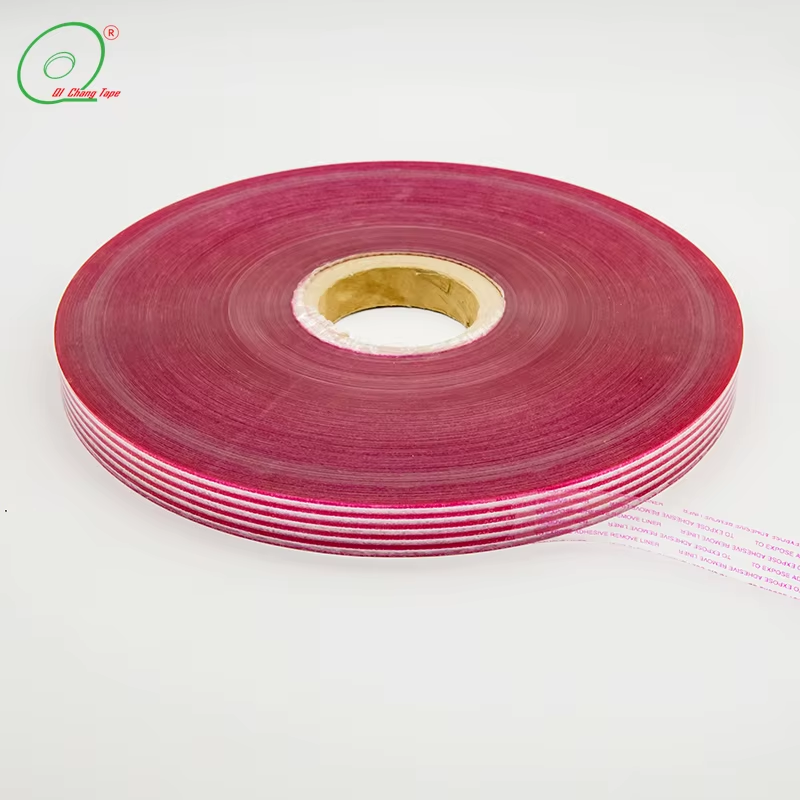
The packaging industry has witnessed remarkable innovations in recent years, particularly in the development of advanced liner technologies for courier and shipping applications. Among these innovations, the silicone coated liner for courier bag stands out as a revolutionary solution that addresses critical seal performance challenges. This specialized liner technology combines the protective properties of silicone with advanced release characteristics, creating an optimal barrier that ensures package integrity throughout the shipping process. Modern courier operations demand reliable packaging solutions that can withstand various environmental conditions while maintaining consistent seal performance across different temperature ranges and handling scenarios.
Understanding Silicone Coated Liner Technology
Material Composition and Structure
The silicone coated liner for courier bag represents a sophisticated engineering achievement that combines multiple material layers to achieve superior performance characteristics. The base substrate typically consists of high-grade polymer films that provide structural integrity and dimensional stability. The silicone coating layer, applied through precision coating processes, creates a chemically inert surface that resists adhesion while maintaining excellent release properties. This dual-layer construction ensures that the liner can withstand repeated handling without compromising its functional integrity.
Advanced manufacturing processes ensure uniform coating thickness across the entire liner surface, eliminating weak points that could lead to premature seal failure. The molecular structure of the silicone coating creates a low-energy surface that prevents unwanted adhesion while allowing controlled release when necessary. Quality control measures throughout the production process guarantee consistent performance characteristics that meet stringent packaging industry standards.
Release Properties and Performance Metrics
The release characteristics of silicone coated liner for courier bag applications are carefully engineered to provide optimal performance across various operational conditions. Release force measurements typically range between specific parameters that ensure easy removal without damaging the adhesive or substrate materials. These controlled release properties are essential for maintaining package integrity while allowing authorized access when required.
Temperature stability represents another critical performance metric, with quality liners maintaining consistent release properties across temperature ranges commonly encountered in shipping environments. The silicone coating remains stable under both extreme heat and cold conditions, preventing performance degradation that could compromise seal integrity. Humidity resistance ensures that moisture exposure during transit does not affect the liner's performance characteristics.
Seal Performance Enhancement Mechanisms
Adhesion Control and Surface Energy
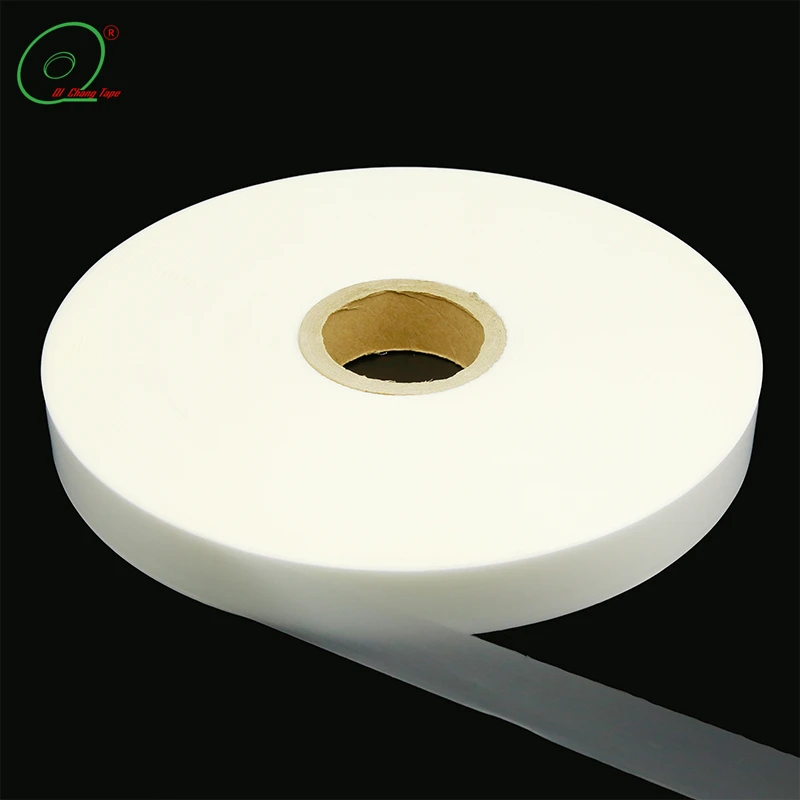
The primary mechanism through which silicone coated liner for courier bag technology improves seal performance lies in its precise control of surface energy and adhesion properties. The silicone coating creates a controlled interface between the adhesive and the liner surface, preventing permanent bonding while maintaining temporary adhesion sufficient for secure closure. This balance is crucial for applications requiring tamper-evident features without compromising ease of opening.
Surface energy optimization ensures that adhesives maintain their original properties without migration or chemical interaction with the liner material. This preservation of adhesive characteristics is essential for maintaining consistent seal strength throughout the package's lifecycle. The non-reactive nature of the silicone coating prevents chemical degradation that could weaken the seal over time.
Barrier Properties and Protection
Beyond release control, the silicone coated liner for courier bag provides exceptional barrier properties that protect the adhesive system from environmental contamination. The coating acts as an effective moisture barrier, preventing humidity from affecting adhesive performance during storage and transit. This protection is particularly important in applications where packages may be exposed to varying environmental conditions.
Chemical resistance properties ensure that the liner maintains its integrity when exposed to various substances that might be encountered during shipping. The inert nature of silicone prevents chemical reactions that could compromise seal performance or create unwanted odors or contamination. This chemical stability is essential for maintaining food safety standards and protecting sensitive contents.
Industrial Applications and Use Cases
E-commerce and Retail Shipping
The e-commerce industry has emerged as a primary beneficiary of silicone coated liner for courier bag technology, with applications spanning from small parcel shipments to large-volume distribution operations. The consistent seal performance provided by these liners ensures that packages maintain their integrity throughout the complex logistics networks that characterize modern e-commerce fulfillment. Temperature fluctuations in warehouses and transportation vehicles no longer pose significant risks to package security.
Retail applications particularly benefit from the tamper-evident properties that silicone coated liners can provide when properly integrated into packaging systems. The controlled release properties allow customers to easily open packages while providing clear evidence if unauthorized access has occurred. This balance between security and user convenience has made these liners increasingly popular in high-value merchandise shipping.
Pharmaceutical and Medical Device Packaging
The pharmaceutical industry relies heavily on silicone coated liner for courier bag applications due to the stringent regulatory requirements governing medication and medical device packaging. The chemical inertness of silicone coatings ensures that no unwanted interactions occur between the liner and pharmaceutical products, maintaining product purity throughout the supply chain. Controlled release properties are essential for maintaining sterile barriers while allowing healthcare professionals easy access to critical supplies.
Medical device packaging applications benefit from the dimensional stability and tear resistance that quality silicone coated liners provide. The ability to maintain seal integrity under various sterilization processes makes these liners suitable for applications requiring gamma irradiation or ethylene oxide treatment. Regulatory compliance documentation supports the use of approved silicone coated liner materials in medical applications.
Technical Specifications and Quality Standards
Performance Testing and Validation
Quality silicone coated liner for courier bag applications must undergo comprehensive testing protocols to validate performance characteristics across various operational scenarios. Release force testing measures the energy required to separate the liner from adhesive surfaces under controlled conditions, ensuring consistent performance across production batches. Aging studies evaluate how liner properties change over time when exposed to various storage conditions.
Environmental stress testing subjects liner samples to accelerated aging conditions, including elevated temperatures, humidity cycles, and UV exposure, to predict long-term performance in real-world applications. Chemical compatibility testing ensures that the liner materials do not adversely interact with common adhesives, inks, or other packaging materials. These comprehensive testing protocols provide confidence in liner performance across diverse applications.
Manufacturing Quality Control
The production of high-quality silicone coated liner for courier bag applications requires sophisticated quality control systems that monitor critical parameters throughout the manufacturing process. Coating thickness uniformity is measured using precision instrumentation to ensure consistent performance across the entire liner surface. Surface energy measurements verify that the silicone coating achieves the target release characteristics.
Statistical process control methods track key performance indicators throughout production runs, identifying trends that might affect product quality before they result in out-of-specification material. Raw material qualification programs ensure that all incoming materials meet established specifications, maintaining consistency in the final product. Certificate of analysis documentation provides traceability and quality assurance for critical applications.
Installation and Application Guidelines
Proper Handling and Storage
Successful implementation of silicone coated liner for courier bag applications requires adherence to proper handling and storage protocols that preserve liner integrity until use. Storage environments should maintain stable temperature and humidity conditions to prevent premature aging or property changes. Protection from direct sunlight and contamination sources is essential for maintaining optimal performance characteristics.
Handling procedures should minimize mechanical stress on liner materials, particularly at edges where damage is most likely to occur. Proper rotation of inventory ensures that older materials are used first, preventing storage-related degradation that could affect performance. Training programs for handling personnel help ensure that best practices are consistently followed throughout the supply chain.
Application Techniques and Best Practices
The application of silicone coated liner for courier bag systems requires attention to detail and adherence to established procedures to achieve optimal results. Surface preparation of adhesive substrates ensures maximum bond strength and uniform contact between the liner and adhesive surface. Proper tension control during liner application prevents wrinkles or air entrapment that could compromise seal performance.
Temperature control during application processes helps ensure that both the liner and adhesive materials are within optimal temperature ranges for bonding. Pressure application techniques must be carefully controlled to achieve uniform contact without damaging the liner or adhesive materials. Post-application inspection procedures verify that the liner has been properly installed and is ready for use in packaging operations.
Future Developments and Industry Trends
Sustainable Materials and Environmental Considerations
The packaging industry is increasingly focused on developing sustainable alternatives that reduce environmental impact while maintaining the performance benefits of traditional silicone coated liner for courier bag applications. Bio-based silicone alternatives are being developed that offer similar performance characteristics while providing improved end-of-life disposal options. Recycling programs are being established to recover and reprocess used liner materials.
Life cycle assessment studies help manufacturers understand the environmental impact of different liner technologies, driving innovation toward more sustainable solutions. Reduced thickness formulations maintain performance while using fewer raw materials, supporting sustainability goals without compromising functionality. Biodegradable coating options are being explored for applications where environmental considerations outweigh the need for maximum durability.
Advanced Coating Technologies
Emerging coating technologies promise to enhance the performance characteristics of silicone coated liner for courier bag applications through improved formulations and application methods. Nano-technology approaches enable more precise control of surface properties, potentially improving release characteristics while reducing coating thickness requirements. Smart coating systems that respond to environmental conditions could provide enhanced security features.
Multilayer coating systems combine different materials to achieve performance characteristics not possible with single-layer approaches. These advanced systems can provide multiple functions within a single liner, such as barrier protection, release control, and tamper evidence. Research into self-healing coating materials could lead to liners that maintain performance even after minor mechanical damage.
FAQ
What makes silicone coated liners superior to traditional release liners
Silicone coated liner for courier bag applications offers several key advantages over traditional release materials, including superior temperature stability, chemical resistance, and controlled release properties. The silicone coating maintains consistent performance across a wider range of environmental conditions, making it ideal for shipping applications where temperature and humidity variations are common. Additionally, the chemical inertness of silicone prevents unwanted interactions with adhesives and package contents, ensuring long-term reliability.
How do environmental conditions affect silicone coated liner performance
Quality silicone coated liner for courier bag systems are designed to maintain stable performance across typical shipping environment conditions, including temperature ranges from freezing to elevated heat and humidity levels up to 90%. The silicone coating provides excellent moisture resistance, preventing humidity from affecting release characteristics or compromising seal integrity. However, extreme conditions beyond normal shipping parameters may require special formulations or additional protective measures.
What quality standards should be considered when selecting silicone coated liners
When selecting silicone coated liner for courier bag applications, look for products that meet relevant industry standards such as FDA compliance for food contact applications or USP Class VI certification for medical uses. Key performance specifications include release force values, temperature stability range, and chemical compatibility with intended adhesives. Supplier quality certifications such as ISO 9001 and comprehensive testing documentation provide additional assurance of consistent product quality.
How can seal performance be optimized when using silicone coated liners
Optimizing seal performance with silicone coated liner for courier bag applications requires attention to several factors, including proper surface preparation, controlled application conditions, and compatible adhesive selection. Ensuring clean, dry surfaces free from contamination promotes optimal adhesion, while maintaining recommended temperature and pressure during application ensures uniform contact. Regular performance monitoring and adherence to storage guidelines help maintain consistent results across production runs.