
 EN
EN
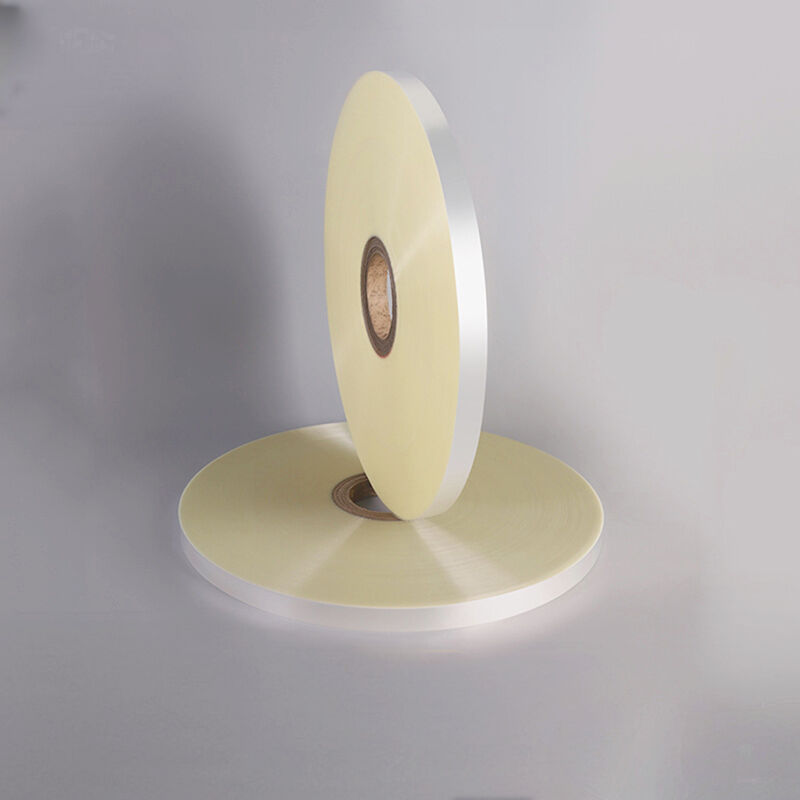
In the world of adhesive manufacturing and industrial applications, understanding the role of release liners is crucial for achieving optimal product performance. A pet released liner represents one of the most versatile and reliable solutions for protecting adhesive surfaces during storage, transportation, and application processes. These specialized films provide essential barrier properties that maintain adhesive integrity while ensuring easy removal when needed.
The development of pet released liner technology has revolutionized how manufacturers approach adhesive product design and functionality. These protective films combine the durability of polyethylene terephthalate substrates with specialized release coatings that create controlled separation properties. Understanding the composition and functionality of these materials enables engineers and product developers to select the most appropriate solutions for their specific applications.
Modern industrial processes rely heavily on consistent and predictable material behavior, making the selection of appropriate release liner systems critical to overall product success. The pet released liner serves as a temporary protective layer that preserves adhesive properties until the final application stage, ensuring optimal performance characteristics are maintained throughout the supply chain.
Understanding PET Released Liner Composition
Material Structure and Properties
The foundation of any effective pet released liner begins with the polyethylene terephthalate substrate, which provides exceptional dimensional stability and chemical resistance. This thermoplastic polymer offers superior clarity, allowing for easy inspection of underlying adhesive layers during quality control processes. The inherent strength properties of PET make it an ideal choice for applications requiring durability during handling and processing operations.
Manufacturing processes for pet released liner involve precise coating applications that create the desired release characteristics. Silicone-based release systems are commonly employed to achieve consistent separation forces while maintaining adhesive transfer properties. The coating weight and cross-linking density directly influence the release performance, allowing manufacturers to customize products for specific application requirements.
Temperature resistance represents another critical aspect of pet released liner performance, with PET substrates maintaining stability across wide temperature ranges. This thermal stability ensures consistent release properties regardless of environmental conditions during storage or application. The combination of substrate properties and release coating chemistry creates a reliable barrier system that protects adhesive surfaces effectively.
Release Coating Technologies
Advanced release coating formulations have evolved to meet increasingly demanding application requirements in modern manufacturing environments. Silicone chemistry remains the predominant approach for creating effective release surfaces, with various cross-linking mechanisms available to achieve specific performance characteristics. These coatings must balance easy release properties with sufficient adhesion to the PET substrate to prevent delamination during use.
The curing process for release coatings on pet released liner systems involves carefully controlled thermal treatments that optimize cross-link density and surface properties. Proper curing ensures consistent release force values across the entire liner surface, preventing adhesive transfer or residue formation. Quality control measures during coating application verify uniformity and adhesion properties that are essential for reliable performance.
Specialty additives in release coating formulations can provide enhanced functionality such as anti-static properties or improved processability. These modifications allow pet released liner products to meet specific industry requirements while maintaining the fundamental release characteristics necessary for adhesive applications. The selection of appropriate additive systems depends on the intended use environment and performance expectations.
Applications in Adhesive Manufacturing
Tape and Label Production
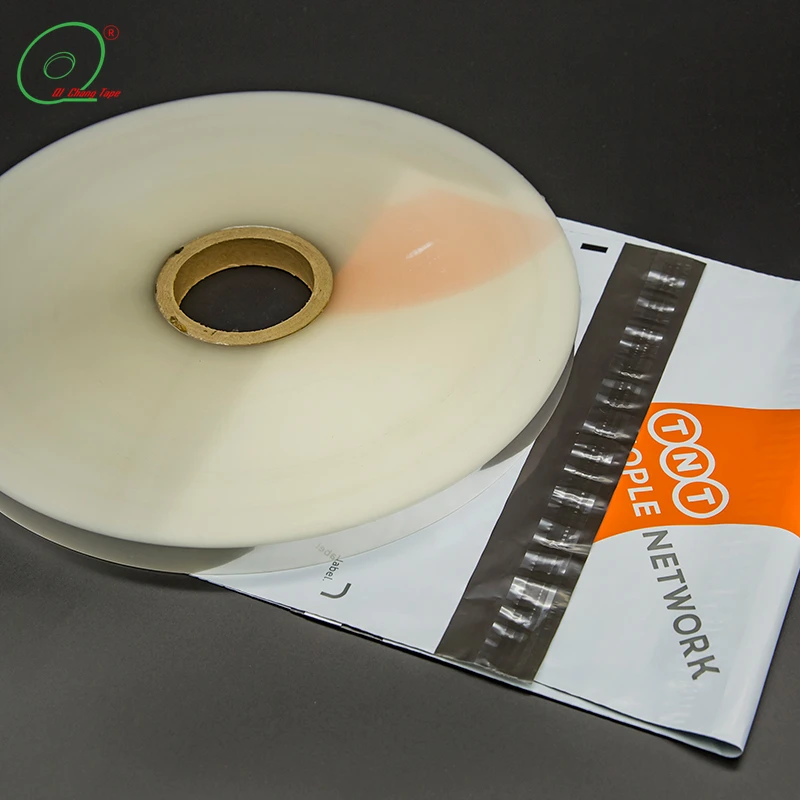
The tape manufacturing industry relies extensively on pet released liner technology to enable high-speed production processes and consistent product quality. During tape production, the pet released liner serves as a temporary carrier that allows precise adhesive application and winding operations. The dimensional stability of PET substrates prevents stretching or distortion that could affect final product dimensions or performance characteristics.
Label manufacturing processes benefit from the excellent printability and surface smoothness of pet released liner systems. The clear PET substrate allows for accurate registration during printing operations while providing the release properties necessary for easy label removal. This combination of features makes pet released liner an essential component in pressure-sensitive label production where appearance and functionality are equally important.
Converting operations for tape and label products require release liners that maintain consistent properties throughout processing cycles. The pet released liner must withstand rewinding tensions, die-cutting forces, and temperature variations without compromising release performance. These demanding processing conditions highlight the importance of proper material selection and quality control in liner manufacturing.
Medical and Healthcare Applications
Medical device manufacturing represents one of the most demanding applications for pet released liner technology, where biocompatibility and sterility requirements add complexity to material selection. The clean release properties of properly formulated pet released liner systems prevent contamination of medical adhesives while maintaining the sterile barrier properties essential for healthcare applications. Regulatory compliance requires extensive testing and documentation of all materials used in medical device construction.
Pharmaceutical applications often require pet released liner products with enhanced purity specifications and controlled extractable levels. The chemical inertness of PET substrates combined with appropriate release coating formulations ensures that drug delivery systems maintain their intended performance characteristics. These applications demand rigorous quality control measures and traceability throughout the supply chain.
Wound care products utilize pet released liner technology to protect adhesive hydrocolloids and other therapeutic compounds during storage and application. The ease of removal provided by properly designed release systems reduces patient discomfort while ensuring complete adhesive transfer to the application site. This balance between protection and usability makes pet released liner an essential component in modern wound care technology.
Manufacturing Process Considerations
Production Methods and Quality Control
Modern pet released liner manufacturing employs sophisticated coating technologies that ensure uniform release properties across large production runs. Slot die coating systems provide precise control over coating weight distribution, while infrared curing ovens deliver consistent thermal treatment for optimal cross-linking. These manufacturing processes require continuous monitoring to maintain the tight tolerances necessary for reliable pet released liner performance.
Quality assurance protocols for pet released liner production include comprehensive testing of release force values, adhesive transfer characteristics, and substrate properties. Statistical process control methods track performance variations and enable rapid identification of process deviations that could affect product quality. These quality systems ensure that each roll of pet released liner meets the specified performance criteria for its intended application.
Environmental controls during pet released liner manufacturing prevent contamination that could interfere with release properties or adhesive compatibility. Clean room facilities and controlled atmosphere conditions maintain the purity levels required for sensitive applications such as medical devices or electronic components. These manufacturing environments represent significant investments that reflect the critical importance of product quality in release liner applications.
Customization and Specification Development
Custom pet released liner development begins with thorough analysis of application requirements and performance expectations. Engineers evaluate factors such as adhesive chemistry, processing conditions, and end-use environment to determine optimal substrate and coating combinations. This analytical approach ensures that the final pet released liner product delivers the specific performance characteristics required for successful application.
Prototype development and testing phases allow manufacturers to validate pet released liner performance before full-scale production implementation. Laboratory testing simulates actual use conditions while accelerated aging studies predict long-term performance characteristics. These development processes minimize the risk of compatibility issues or performance failures in production applications.
Specification documentation for custom pet released liner products includes detailed performance criteria and test methods that ensure consistent quality across multiple production lots. These specifications serve as the basis for supplier qualification and ongoing quality assurance programs. Clear communication of requirements and expectations prevents misunderstandings that could compromise product performance or application success.
Performance Characteristics and Testing
Release Force Measurement
Quantifying the release characteristics of pet released liner systems requires standardized testing methods that provide reproducible and meaningful results. The peel adhesion test remains the primary method for measuring release force values, with specific test conditions tailored to match actual application parameters. These measurements provide essential data for comparing different pet released liner products and predicting performance in real-world applications.
Release force consistency across the width and length of pet released liner rolls represents a critical quality parameter that affects converting operations and end-use performance. Advanced testing equipment can map release force variations across entire roll lengths, identifying potential problem areas before they impact production processes. This comprehensive testing approach ensures that pet released liner products meet the uniformity requirements of modern manufacturing operations.
Temperature and aging effects on pet released liner release properties require evaluation under accelerated test conditions that simulate long-term storage scenarios. These studies reveal potential changes in release characteristics that could affect product performance over time. Understanding aging behavior enables manufacturers to establish appropriate shelf life recommendations and storage conditions for their pet released liner products.
Adhesive Compatibility Assessment
Compatibility testing between pet released liner systems and specific adhesive formulations prevents transfer or buildup issues that could compromise product performance. These evaluations examine potential chemical interactions that might affect release properties or leave residues on liner surfaces. Comprehensive compatibility assessment ensures that the selected pet released liner will perform reliably with the intended adhesive system.
Long-term contact studies evaluate the stability of pet released liner and adhesive combinations under various environmental conditions. These tests identify potential degradation mechanisms or chemical reactions that might develop over extended storage periods. The results guide formulation adjustments and storage recommendations that maintain product integrity throughout the supply chain.
Adhesive transfer resistance represents another critical performance parameter for pet released liner applications where clean removal is essential. Testing protocols evaluate the tendency for adhesive materials to transfer to the liner surface during normal handling and processing operations. These assessments help optimize release coating formulations and processing conditions to minimize transfer potential.
Selection Criteria for Optimal Performance
Application-Specific Requirements
Selecting the appropriate pet released liner for specific applications requires careful consideration of multiple performance factors and operational requirements. The intended adhesive system, processing conditions, and end-use environment all influence the optimal liner specification. A systematic approach to requirement analysis ensures that the selected pet released liner will deliver the necessary performance characteristics for successful application.
Processing compatibility represents a fundamental consideration in pet released liner selection, as the liner must withstand all manufacturing operations without performance degradation. Converting processes such as die-cutting, laminating, or printing place specific demands on liner properties that must be evaluated during the selection process. Understanding these processing requirements prevents compatibility issues that could disrupt production operations.
Cost-performance optimization involves balancing the technical requirements of pet released liner applications with economic considerations. While premium liner products may offer enhanced performance characteristics, the additional cost must be justified by corresponding improvements in manufacturing efficiency or end-product quality. This analysis helps identify the most cost-effective solution that meets all technical requirements.
Environmental and Regulatory Factors
Environmental regulations and sustainability requirements increasingly influence pet released liner selection decisions in modern manufacturing operations. Recycling compatibility, renewable content, and environmental impact assessments factor into material selection processes. These considerations drive the development of more sustainable pet released liner products that maintain performance while reducing environmental footprint.
Regulatory compliance requirements vary significantly across different industries and applications, making it essential to verify that selected pet released liner products meet all applicable standards. Medical device regulations, food contact approvals, and chemical registration requirements must be considered during the selection process. Proper documentation and certification ensure that pet released liner products can be used legally in their intended applications.
Global supply chain considerations affect pet released liner selection through requirements for consistent quality and availability across multiple geographic regions. Suppliers must demonstrate the ability to maintain consistent product specifications regardless of manufacturing location while meeting local regulatory requirements. This global perspective ensures reliable material supply for international manufacturing operations.
FAQ
What makes PET an ideal substrate material for release liners?
PET offers exceptional dimensional stability, chemical resistance, and temperature tolerance that make it perfect for release liner applications. The material maintains its properties across wide temperature ranges and resists chemicals commonly found in adhesive formulations. Its clarity also allows for easy inspection of underlying adhesive layers during quality control processes, while its strength properties ensure durability during handling and converting operations.
How do release force values affect adhesive application performance?
Release force values determine how easily the pet released liner can be removed from adhesive surfaces during application. Values that are too high can cause adhesive splitting or substrate damage during removal, while values that are too low may result in premature liner separation during handling. Optimal release force ranges ensure clean removal without adhesive transfer while maintaining liner integrity throughout processing and storage.
What factors influence the shelf life of pet released liner products?
Storage temperature, humidity levels, and UV exposure significantly impact pet released liner shelf life and performance stability. High temperatures can cause changes in release coating properties, while moisture exposure may affect adhesion between the coating and PET substrate. Proper storage in controlled environments with appropriate temperature and humidity ranges maximizes shelf life and maintains consistent release characteristics over time.
How does pet released liner compatibility with different adhesive chemistries get determined?
Compatibility assessment involves extensive testing of pet released liner samples with specific adhesive formulations under simulated use conditions. These tests evaluate potential chemical interactions, adhesive transfer tendencies, and long-term stability of the liner-adhesive combination. Accelerated aging studies and environmental exposure tests help predict performance over extended storage periods and various application conditions.