
 EN
EN
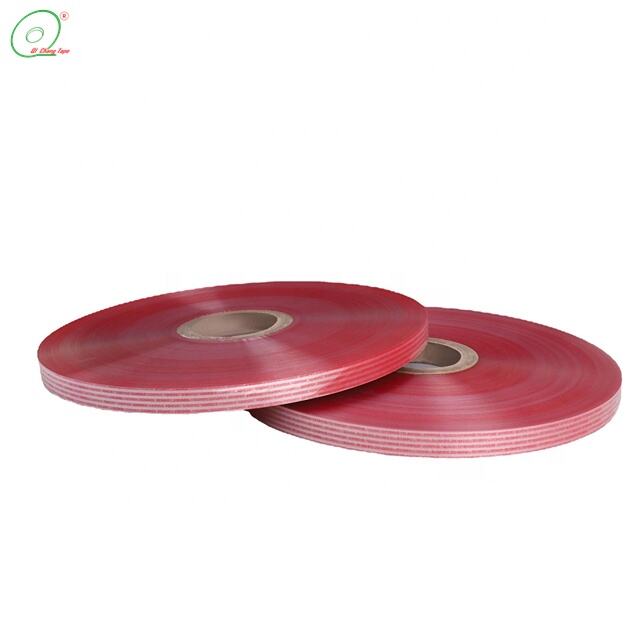
Purchasing silicone release liner in bulk quantities requires careful consideration of multiple technical and commercial factors to ensure optimal performance and cost-effectiveness. Industrial buyers and manufacturers must evaluate material properties, supplier capabilities, and application-specific requirements when making large-volume procurement decisions. The complexity of silicone release liner specifications demands thorough analysis of coating technologies, substrate materials, and release characteristics before committing to significant inventory investments.
Material Composition and Coating Technology
Substrate Selection and Properties
The substrate material forms the foundation of any effective silicone release liner system, with polyethylene terephthalate (PET), polyethylene (PE), and paper being the most common options. Each substrate offers distinct advantages depending on the intended application and processing requirements. PET substrates provide exceptional dimensional stability and temperature resistance, making them ideal for precision applications where minimal shrinkage is critical.
Polyethylene substrates offer superior conformability and cost-effectiveness for applications requiring flexibility and moderate release properties. The thickness of the substrate directly impacts the mechanical properties and handling characteristics of the silicone release liner. Bulk purchasers must specify substrate thickness tolerances to ensure consistent performance across production runs and minimize variability in downstream manufacturing processes.
Silicone Coating Formulations
Modern silicone release coatings utilize various chemical formulations to achieve specific release characteristics and performance profiles. Addition-cure silicone systems provide excellent release properties and thermal stability, while condensation-cure systems offer cost advantages for certain applications. The choice between platinum-catalyzed and peroxide-cured systems affects both the release force characteristics and the long-term stability of the coating.
Coating weight specifications play a crucial role in determining the release performance and economic efficiency of the liner. Higher coating weights generally provide more consistent release properties but increase material costs and may affect the flexibility of the final product. Bulk buyers should work closely with suppliers to optimize coating weight based on their specific application requirements and performance expectations.
Release Force Characteristics and Testing
Release Value Specifications
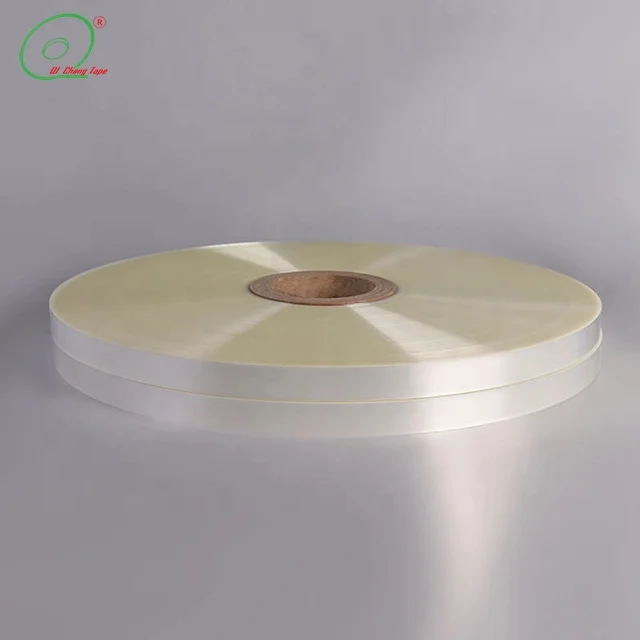
Release force measurements provide quantitative data for evaluating the suitability of silicone release liners for specific applications. Standard test methods such as ASTM D3330 and PSTC-4 establish protocols for measuring release forces under controlled conditions. The release force profile must match the requirements of the adhesive system and the processing conditions encountered during manufacturing.
Different applications require different release force ranges, from ultra-low release for delicate adhesive systems to higher release forces for structural applications. The consistency of release forces across the width and length of the liner roll becomes particularly important for bulk purchases, as variations can lead to processing difficulties and quality issues in downstream manufacturing operations.
Aging and Stability Considerations
Long-term storage stability represents a critical factor when purchasing Silicone Release liners in bulk quantities. The silicone coating must maintain its release properties throughout the intended storage period without significant degradation or aging effects. Temperature and humidity conditions during storage can affect the long-term performance characteristics of the release coating.
Accelerated aging tests help predict the long-term stability of silicone release liners under various storage conditions. Bulk purchasers should request aging data from suppliers and establish appropriate storage protocols to maintain product quality throughout the inventory cycle. The shelf life specifications must align with the anticipated consumption rate to prevent material waste and quality issues.
Manufacturing Quality and Consistency
Production Process Controls
Manufacturing consistency becomes paramount when purchasing silicone release liners in large quantities, as variations in coating application or substrate properties can significantly impact product performance. Modern coating equipment utilizes precision metering systems and real-time monitoring to maintain consistent coating weights and coverage across the web width. Statistical process control methods help identify and correct variations before they affect product quality.
The coating line speed and curing conditions directly influence the final properties of the silicone release coating. Proper cure schedules ensure complete crosslinking of the silicone polymer and optimal release characteristics. Bulk buyers should evaluate the supplier's quality control procedures and request documentation of process capabilities and statistical control measures.
Testing and Certification Requirements
Comprehensive testing protocols verify that bulk quantities of silicone release liner meet specified performance criteria and regulatory requirements. Standard test methods include release force measurements, coating weight determination, and substrate property evaluation. Many applications require additional testing such as extractables analysis, migration testing, or biocompatibility certification.
Third-party certification from recognized testing laboratories provides independent verification of product performance and compliance with industry standards. Food contact applications may require FDA compliance certification, while medical applications necessitate USP Class VI or ISO 10993 biocompatibility testing. The certification requirements must be clearly specified in bulk purchase agreements to ensure product acceptability.
Supply Chain and Logistics Considerations
Supplier Qualification and Assessment
Evaluating potential suppliers requires a comprehensive assessment of their manufacturing capabilities, quality systems, and track record in producing silicone release liners. Site audits provide valuable insights into the supplier's manufacturing processes, quality control procedures, and capacity to meet large-volume requirements. The supplier's financial stability and business continuity planning become particularly important for bulk purchases that represent significant inventory investments.
Technical support capabilities and responsiveness to customer requirements distinguish superior suppliers from commodity providers. The ability to provide application support, troubleshooting assistance, and product customization services adds significant value to the supplier relationship. Bulk purchasers should evaluate the supplier's technical team expertise and their commitment to ongoing customer support.
Inventory Management and Storage
Proper storage conditions are essential for maintaining the quality and performance of silicone release liners throughout their shelf life. Temperature and humidity control prevent moisture absorption and thermal degradation that can affect release properties. Proper roll storage orientation and rotation procedures help prevent core crushing and edge damage that can compromise product quality.
Inventory tracking systems ensure proper stock rotation and prevent the use of expired or degraded materials. First-in-first-out (FIFO) inventory management protocols help minimize aging-related quality issues and reduce material waste. The storage facility design must accommodate the size and weight of bulk rolls while providing easy access for inventory management and quality inspection.
Economic and Contractual Factors
Pricing Structure and Volume Incentives
Bulk purchasing agreements typically include volume-based pricing tiers that provide cost advantages for larger quantity commitments. The pricing structure should reflect not only the material costs but also the supplier's manufacturing efficiency and economies of scale. Long-term contracts may offer additional pricing benefits in exchange for volume commitments and supply assurance.
Total cost of ownership calculations must include not only the purchase price but also storage costs, handling expenses, and potential waste from aging or quality issues. The optimal order quantity balances the cost advantages of bulk purchasing against the carrying costs and risks associated with large inventory investments. Financial analysis tools help determine the most economical purchasing strategy based on consumption patterns and storage capabilities.
Contract Terms and Risk Management
Bulk purchase contracts should clearly define product specifications, quality requirements, and acceptance criteria to prevent disputes and ensure product suitability. Performance guarantees and warranty terms provide protection against defective materials and processing difficulties. The contract should specify testing procedures, sampling plans, and remedial actions for non-conforming products.
Risk allocation between buyer and supplier requires careful consideration of factors such as specification changes, market conditions, and force majeure events. Flexible delivery schedules and inventory management arrangements help accommodate changing production requirements and minimize inventory risks. Clear communication protocols and escalation procedures help resolve issues quickly and maintain positive supplier relationships.
Application-Specific Requirements
Industry Standards and Regulations
Different industries impose specific requirements on silicone release liner properties and performance characteristics. Automotive applications may require specific temperature resistance and chemical compatibility, while electronics applications demand low ionic contamination and static dissipation properties. Food packaging applications necessitate FDA compliance and migration testing to ensure product safety.
Medical device applications require the most stringent quality controls and certification requirements, including biocompatibility testing and sterilization compatibility. The regulatory landscape continues to evolve, requiring suppliers to maintain current certifications and adapt to changing requirements. Bulk purchasers must ensure that their suppliers can maintain compliance throughout the contract period.
Performance Optimization
Optimizing silicone release liner performance for specific applications requires understanding the interaction between the liner properties and the adhesive system. The release force profile must be compatible with the adhesive's tack level and curing characteristics to ensure proper adhesion and clean release. Processing conditions such as temperature, pressure, and dwell time affect the release performance and must be considered in the liner selection process.
Custom formulations may be necessary to achieve optimal performance in specialized applications. The supplier's ability to modify coating formulations or substrate properties provides flexibility for addressing unique application requirements. Bulk purchasers should evaluate the supplier's technical capabilities and willingness to develop customized solutions for their specific needs.
FAQ
What is the typical shelf life for bulk quantities of silicone release liner
The shelf life of silicone release liner typically ranges from 12 to 24 months when stored under proper conditions, with temperature-controlled environments between 60-80°F and relative humidity below 50%. The actual shelf life depends on the specific formulation, substrate material, and storage conditions. Bulk purchasers should verify shelf life specifications with suppliers and implement proper inventory rotation procedures to ensure product quality throughout the storage period.
How do I determine the optimal coating weight for my application
Optimal coating weight selection requires balancing release performance, cost considerations, and processing requirements specific to your application. Lower coating weights reduce material costs but may provide less consistent release properties, while higher coating weights offer better performance but increase costs. Testing with different coating weights under actual production conditions helps determine the minimum coating weight that provides acceptable performance and reliability.
What quality control measures should be implemented for bulk purchases
Effective quality control for bulk silicone release liner purchases includes incoming inspection procedures, statistical sampling plans, and performance verification testing. Establish clear acceptance criteria for critical properties such as release force, coating weight, and substrate properties. Implement certificate of analysis review procedures and maintain traceability records for each lot. Regular audits of supplier quality systems help ensure consistent manufacturing processes and product quality.
How can I minimize inventory risks when purchasing in bulk quantities
Inventory risk minimization strategies include demand forecasting analysis, flexible delivery scheduling, and proper storage facility management. Implement first-in-first-out inventory rotation procedures and maintain detailed tracking of material age and storage conditions. Consider blanket purchase orders with scheduled releases to balance volume pricing advantages with inventory flexibility. Establish clear return policies and shelf life guarantees with suppliers to protect against aging-related quality issues.