
 EN
EN
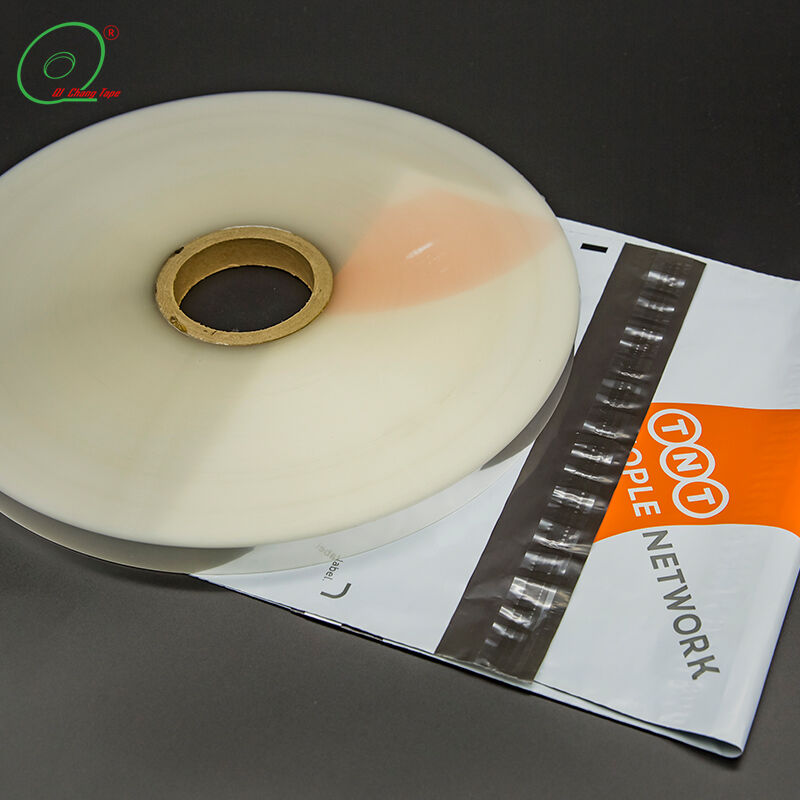
In the modern packaging and manufacturing industry, selecting the right release liner material can significantly impact product performance, cost efficiency, and environmental sustainability. While traditional paper liners have dominated the market for decades, innovative pet released liner solutions are transforming how businesses approach adhesive applications, protective films, and specialized coating processes. Understanding the fundamental differences between these materials helps manufacturers make informed decisions that enhance their production capabilities while reducing operational costs and environmental impact.
Superior Durability and Performance Characteristics
Enhanced Moisture Resistance Properties
The moisture resistance capabilities of pet released liner materials far exceed those of traditional paper alternatives, making them ideal for applications requiring long-term stability in humid environments. Unlike paper liners that can absorb moisture and compromise adhesive performance, PET liners maintain their dimensional stability and release properties even under extreme humidity conditions. This superior moisture barrier protection ensures consistent product quality throughout storage and transportation phases, reducing warranty claims and customer complaints related to adhesive failure.
Manufacturing facilities operating in coastal regions or tropical climates particularly benefit from the exceptional moisture resistance of pet released liner products. The non-porous surface structure prevents water vapor transmission, maintaining optimal adhesive tack levels and preventing premature aging of sensitive materials. This reliability translates into extended shelf life for finished products and reduced inventory turnover costs for manufacturers seeking sustainable packaging solutions.
Temperature Stability Advantages
Temperature fluctuations that commonly occur during shipping and storage can severely impact the performance of paper-based release liners, causing dimensional changes and compromised release characteristics. Pet released liner materials demonstrate exceptional thermal stability across wide temperature ranges, maintaining consistent release force values from -40°C to 150°C without degradation. This temperature resilience ensures reliable performance in automotive, electronics, and aerospace applications where thermal cycling is common.
The crystalline structure of PET provides inherent resistance to thermal expansion and contraction, preventing the warping and curling issues frequently encountered with paper liners. Manufacturing processes requiring elevated temperatures, such as lamination or curing operations, benefit significantly from the dimensional stability that pet released liner products provide throughout production cycles.
Cost-Effectiveness and Operational Efficiency
Reduced Material Waste and Scrap Rates
The superior handling characteristics and dimensional stability of pet released liner materials result in significantly lower scrap rates compared to paper alternatives. Manufacturing lines experience fewer web breaks, mis-feeds, and quality defects when processing PET liners, translating into improved overall equipment effectiveness and reduced material costs. The smooth, uniform surface of PET liners ensures consistent die-cutting performance and reduces blade wear in converting operations.
Quality control processes benefit from the predictable performance characteristics of pet released liner products, enabling tighter process control and reduced inspection requirements. The elimination of fiber-related defects and surface irregularities common in paper liners leads to higher first-pass yield rates and improved customer satisfaction scores across diverse industrial applications.
Extended Equipment Lifecycle Benefits
The clean release properties and reduced contamination potential of pet released liner materials contribute to extended equipment lifecycles and reduced maintenance requirements. Converting machinery experiences less adhesive buildup and contamination when processing PET liners, resulting in longer intervals between cleaning cycles and reduced downtime for maintenance activities. This operational efficiency improvement directly impacts production capacity and manufacturing cost structures.
Printing and coating equipment maintains better performance standards when working with pet released liner substrates due to their superior surface uniformity and chemical resistance properties. The reduced need for frequent roller cleaning and calibration adjustments translates into improved production scheduling flexibility and enhanced manufacturing throughput rates.
Environmental Sustainability and Recycling Advantages
Recyclability and Circular Economy Integration
Modern sustainability initiatives increasingly favor materials that can be effectively recycled and reintegrated into manufacturing processes. Pet released liner products offer superior recyclability compared to paper liners that often contain silicone coatings and other contaminants that complicate recycling processes. The thermoplastic nature of PET enables efficient mechanical recycling, supporting circular economy principles while reducing landfill waste accumulation.
Corporate sustainability programs benefit from the clear recycling pathway that pet released liner materials provide, enabling accurate carbon footprint calculations and meaningful environmental impact reporting. The ability to incorporate recycled PET content into new liner production creates closed-loop manufacturing systems that appeal to environmentally conscious consumers and regulatory compliance requirements.
Reduced Environmental Footprint
The production efficiency advantages of pet released liner manufacturing result in lower overall environmental impact compared to paper-based alternatives. The energy-intensive pulping and bleaching processes required for paper production are eliminated, while the durability of PET liners reduces material consumption through extended service life and improved performance reliability. Transportation efficiency improves due to the thinner gauge capabilities of PET films without sacrificing performance characteristics.
Water consumption and chemical usage during manufacturing are significantly reduced when producing pet released liner materials compared to traditional paper processes. The elimination of chlorine-based bleaching chemicals and reduced process water requirements align with increasingly stringent environmental regulations and corporate sustainability commitments across global manufacturing operations.
Technical Performance Superiority
Precision Release Force Control
The uniform surface characteristics and controlled porosity of pet released liner materials enable precise release force engineering that meets demanding application requirements. Unlike paper liners with inherent surface variations, PET substrates provide consistent silicone coating adhesion and uniform release characteristics across the entire web width. This precision control enables manufacturers to optimize adhesive formulations and reduce product variability in critical applications.
Advanced coating technologies applied to pet released liner substrates achieve release force tolerances unattainable with paper-based systems. The dimensional stability of PET prevents the micro-cracking and surface irregularities that can cause release force variations in paper liners, ensuring consistent performance throughout production runs and storage periods.
Chemical Resistance and Compatibility
The chemical inertness of pet released liner materials provides superior compatibility with aggressive adhesive formulations and solvent-based systems that can degrade paper substrates. This chemical resistance enables the use of high-performance adhesives and coatings that would otherwise be incompatible with paper-based release systems. Manufacturing processes involving chemical exposure or cleaning solvents benefit from the non-reactive surface of PET liners.
Pharmaceutical and medical device applications particularly benefit from the chemical resistance of pet released liner products, ensuring no migration of contaminants or degradation products that could affect product safety or efficacy. The regulatory approval process for critical applications is simplified when using chemically inert PET substrates compared to paper alternatives that may contain processing chemicals or organic compounds.
Application-Specific Benefits
Electronics and Semiconductor Industries
The electronics manufacturing sector requires release liner materials that maintain cleanliness standards and dimensional accuracy under controlled environment conditions. Pet released liner products excel in these applications due to their low particulate generation and superior electrostatic discharge properties. The smooth surface finish prevents damage to sensitive electronic components during handling and assembly processes.
Cleanroom compatibility requirements are easily met with pet released liner materials due to their non-shedding characteristics and chemical resistance to cleaning agents. The ability to withstand gamma sterilization and electron beam processing makes PET liners ideal for medical electronics applications requiring sterile packaging and contamination control throughout the supply chain.
Automotive and Transportation Sectors
Automotive applications demand release liner materials capable of withstanding harsh environmental conditions while maintaining consistent performance throughout vehicle lifecycles. Pet released liner products provide the durability and chemical resistance required for under-hood applications, exterior trim adhesives, and weatherstrip installations. The temperature stability of PET liners ensures reliable performance from arctic conditions to desert heat exposure.
The automotive industry's trend toward lightweighting benefits from the thinner gauge capabilities of pet released liner materials compared to paper alternatives. Weight reduction initiatives are supported while maintaining or improving functional performance, contributing to fuel efficiency improvements and reduced environmental impact of transportation systems.
FAQ
How does the cost of pet released liner compare to paper alternatives
While the initial material cost of pet released liner may be higher than paper alternatives, the total cost of ownership is typically lower due to reduced waste rates, improved processing efficiency, and extended shelf life. Manufacturing operations benefit from fewer line stoppages, reduced quality issues, and lower maintenance requirements, which offset the higher material costs through improved productivity and reduced operational expenses.
Can pet released liner materials be used in food packaging applications
Yes, pet released liner materials can be formulated to meet food contact regulations and safety requirements. The chemical inertness and non-migration properties of PET make it suitable for food packaging applications where direct or indirect food contact may occur. Proper certification and testing ensure compliance with FDA and European food contact regulations for specific applications and processing conditions.
What are the recycling options for used pet released liner materials
Pet released liner materials can be mechanically recycled through standard PET recycling processes after separation from adhesive residues. Many recycling facilities accept clean PET liners, and specialized programs exist for industrial waste streams. The thermoplastic nature of PET enables multiple recycling cycles without significant property degradation, supporting circular economy initiatives and waste reduction goals.
How do storage conditions affect pet released liner performance
Pet released liner materials demonstrate excellent storage stability under normal warehouse conditions, maintaining consistent release properties for extended periods. Unlike paper liners that can be affected by humidity fluctuations, PET liners remain dimensionally stable and maintain their performance characteristics. Proper storage in controlled temperature and humidity conditions further extends shelf life and ensures optimal performance when materials are eventually used in production processes.