
 EN
EN
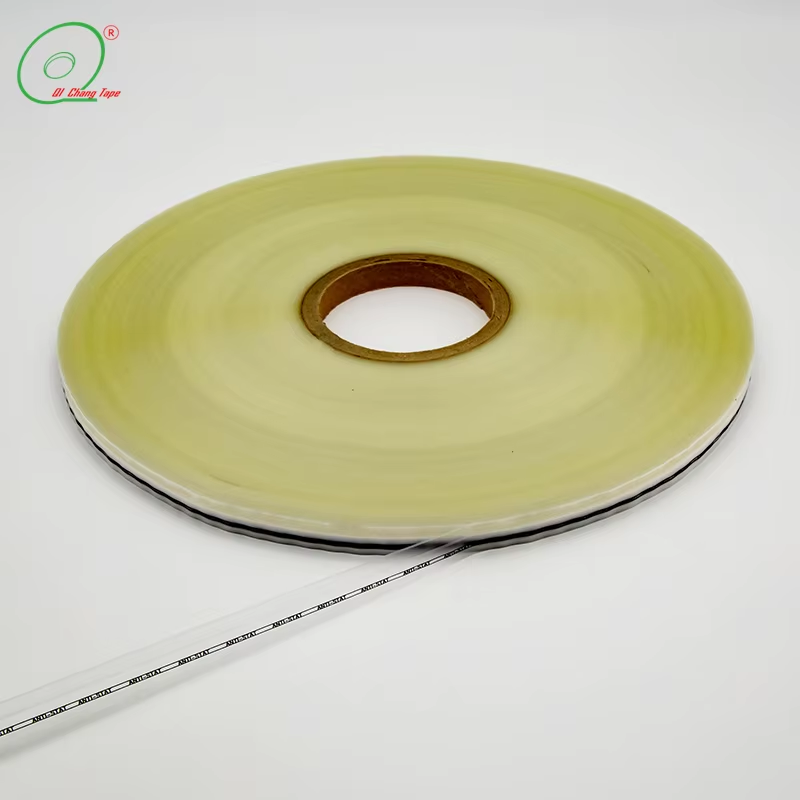
Industrial packaging operations demand reliable sealing solutions that ensure product integrity throughout the supply chain. Modern manufacturing facilities increasingly rely on specialized adhesive tape solutions to meet stringent packaging requirements across diverse applications. The selection and implementation of appropriate adhesive tape systems directly impact production efficiency, cost management, and end-product quality standards.
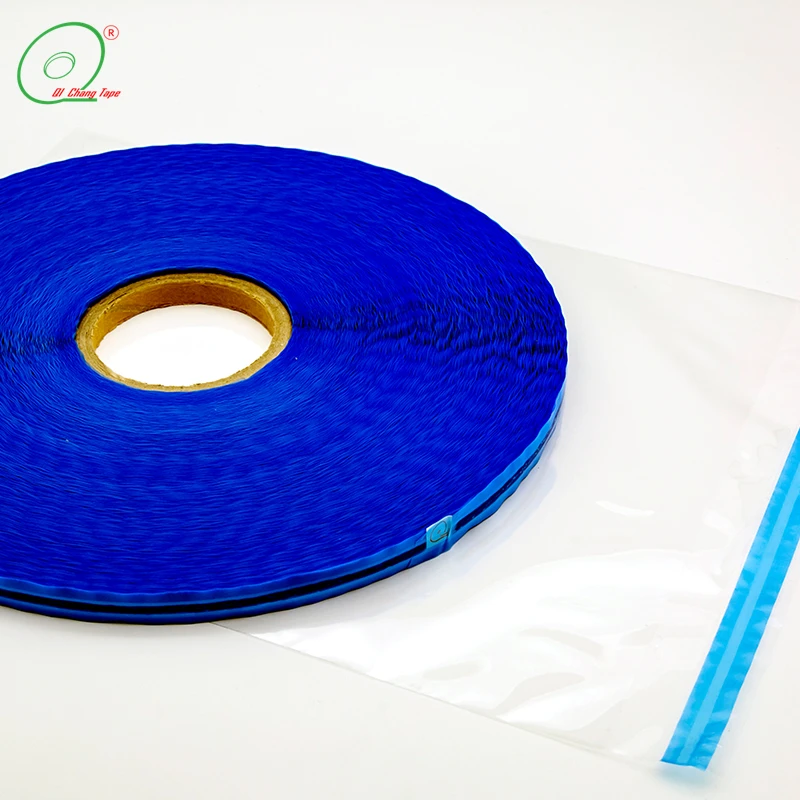
Contemporary packaging environments require adhesive tape solutions that accommodate various substrate materials, temperature conditions, and mechanical stress factors. Industrial operations benefit from understanding how different tape formulations perform under specific operational parameters. The strategic application of adhesive tape technology enhances overall packaging system performance while maintaining cost-effective production workflows.
Understanding Adhesive Tape Technology in Industrial Settings
Core Components of Industrial Adhesive Tape Systems
Industrial adhesive tape consists of three primary components that determine performance characteristics and application suitability. The backing material provides structural integrity and determines the tape's mechanical properties, including tensile strength and conformability. Common backing materials include polyethylene films, polypropylene substrates, and specialized polymer compositions designed for specific industrial environments.
The adhesive formulation represents the critical bonding element that ensures secure attachment to target surfaces. Modern adhesive tape systems utilize various polymer chemistries, including acrylic, rubber-based, and silicone formulations. Each adhesive type offers distinct advantages regarding temperature resistance, chemical compatibility, and long-term bonding strength. Understanding these characteristics enables packaging professionals to select optimal adhesive tape solutions for their specific applications.
Performance Parameters in Industrial Applications
Temperature resistance constitutes a fundamental performance criterion for industrial adhesive tape applications. Manufacturing environments often expose packaging materials to elevated temperatures during processing, storage, or transportation phases. High-performance adhesive tape maintains bonding integrity across extended temperature ranges, ensuring reliable sealing throughout the product lifecycle.
Chemical resistance properties determine how effectively adhesive tape withstands exposure to various industrial substances. Packaging operations frequently involve contact with oils, solvents, cleaning agents, and other chemical compounds. Superior adhesive tape formulations resist degradation when exposed to these substances, maintaining consistent bonding performance over extended periods.
Strategic Implementation of Adhesive Tape in Packaging Workflows
Automated Application Systems
Modern packaging lines integrate automated adhesive tape application systems that enhance production efficiency and consistency. These systems precisely control tape placement, tension, and activation parameters to ensure optimal bonding results. Automated dispensing equipment reduces material waste while maintaining uniform application quality across high-volume production runs.
The integration of adhesive tape dispensing systems with existing packaging machinery requires careful consideration of operational parameters. Proper system calibration ensures consistent tape application without compromising line speed or product quality. Advanced dispensing systems feature programmable controls that accommodate various package sizes and tape specifications within a single production environment.
Quality Control Protocols
Implementing comprehensive quality control protocols ensures consistent adhesive tape performance across production cycles. Regular testing procedures evaluate bonding strength, temperature resistance, and long-term durability characteristics. These assessments identify potential performance variations before they impact final product quality or customer satisfaction levels.
Documentation systems track adhesive tape lot numbers, application parameters, and performance metrics throughout the production process. This traceability enables rapid identification and resolution of quality issues while supporting continuous improvement initiatives. Comprehensive record-keeping facilitates regulatory compliance and supports customer quality requirements.
Substrate Compatibility and Surface Preparation
Material Selection Considerations
Different packaging substrates require specific adhesive tape formulations to achieve optimal bonding performance. Polyethylene and polypropylene films present low surface energy characteristics that challenge conventional adhesive systems. Specialized adhesive tape formulations incorporate surface treatment technologies or modified adhesive chemistries to ensure reliable bonding to these challenging substrates.
Surface texture and contamination levels significantly impact adhesive tape bonding effectiveness. Smooth, clean surfaces typically provide optimal bonding conditions, while textured or contaminated surfaces may require surface preparation or specialized adhesive tape formulations. Understanding substrate characteristics enables appropriate tape selection and application parameter optimization.
Environmental Factors
Humidity levels during adhesive tape application affect bonding development and long-term performance. High humidity environments may interfere with adhesive wetting and initial tack development, while extremely dry conditions can lead to static electricity issues during application. Controlled environmental conditions optimize adhesive tape performance and ensure consistent bonding results.
Temperature conditions during application and service life impact adhesive tape performance characteristics. Cold application temperatures may reduce initial bonding strength, while excessive heat can cause adhesive flow or backing material dimensional changes. Understanding these thermal effects enables appropriate adhesive tape selection and application parameter optimization for specific operational conditions.
Cost Optimization Strategies
Material Usage Efficiency
Optimizing adhesive tape usage reduces material costs while maintaining packaging integrity requirements. Proper tape width selection ensures adequate bonding strength without excessive material consumption. Advanced dispensing systems provide precise cut-off control that minimizes waste while maintaining consistent application quality.
Inventory management strategies for adhesive tape products balance material availability with storage costs and shelf life considerations. Rotating stock according to manufacturing dates ensures optimal adhesive tape performance while minimizing material deterioration. Strategic purchasing agreements with reliable suppliers ensure consistent material quality and competitive pricing structures.
Performance-Based Value Analysis
Comprehensive cost analysis considers total system performance rather than simple material cost comparisons. Higher-performance adhesive tape products may justify premium pricing through reduced application time, improved reliability, or enhanced packaging performance. Long-term value assessments evaluate the total cost of ownership including material costs, application efficiency, and quality impact factors.
Regular performance evaluations identify opportunities for adhesive tape specification optimization without compromising packaging integrity. These assessments may reveal opportunities to reduce tape thickness, modify adhesive formulations, or adjust application parameters to achieve cost savings. Continuous improvement initiatives ensure optimal balance between performance requirements and cost considerations.
Troubleshooting Common Application Challenges
Bonding Performance Issues
Inadequate bonding strength often results from surface contamination, improper application pressure, or incompatible adhesive formulations. Systematic troubleshooting procedures identify root causes and implement corrective actions to restore optimal adhesive tape performance. Regular cleaning protocols maintain surface conditions conducive to reliable bonding.
Temperature-related bonding failures may occur when adhesive tape operates outside its designed temperature range. Cold temperatures can reduce adhesive flow and initial tack, while excessive heat may cause adhesive degradation or dimensional instability. Proper adhesive tape selection considers the complete temperature exposure profile throughout the packaging and distribution cycle.
Application Consistency Challenges
Inconsistent adhesive tape application often stems from equipment maintenance issues or operator technique variations. Regular calibration of dispensing equipment ensures consistent tape placement and activation pressure. Comprehensive operator training programs establish standardized application procedures that minimize performance variations.
Mechanical stress factors during package handling may exceed adhesive tape design limits, resulting in premature failure. Understanding the complete stress profile enables appropriate adhesive tape selection and reinforcement strategies. Enhanced packaging designs may redistribute stress loads to optimize adhesive tape performance under challenging handling conditions.
FAQ
What factors determine the optimal adhesive tape selection for specific packaging applications
Optimal adhesive tape selection depends on substrate materials, environmental conditions, mechanical stress requirements, and cost considerations. Substrate surface energy characteristics determine adhesive compatibility, while temperature and humidity exposure affects long-term bonding performance. Mechanical stress factors including tensile forces, peel resistance, and impact loads influence backing material and adhesive strength requirements. Comprehensive application analysis ensures appropriate adhesive tape specification for reliable packaging performance.
How can automated dispensing systems improve adhesive tape application efficiency
Automated dispensing systems enhance adhesive tape application through precise placement control, consistent tension management, and reduced material waste. These systems maintain uniform application parameters across high-volume production runs while eliminating operator technique variations. Advanced systems integrate with packaging line controls to optimize tape application timing and reduce cycle times. Automated systems also provide application data for quality control and continuous improvement initiatives.
What maintenance procedures ensure consistent adhesive tape dispensing performance
Regular maintenance procedures for adhesive tape dispensing systems include cleaning adhesive residue from contact surfaces, calibrating tension controls, and inspecting cutting mechanisms for wear. Lubrication schedules maintain smooth mechanical operation while preventing premature component failure. Periodic alignment checks ensure accurate tape placement and prevent application inconsistencies. Comprehensive maintenance documentation supports equipment reliability and optimal adhesive tape performance throughout production operations.
How do environmental conditions affect adhesive tape bonding development and long-term performance
Environmental conditions significantly impact both initial bonding development and long-term adhesive tape performance characteristics. Humidity levels affect adhesive wetting and tack development, with optimal bonding typically occurring within moderate humidity ranges. Temperature conditions influence adhesive flow properties and backing material dimensional stability. Exposure to UV radiation, chemicals, or extreme temperatures may cause adhesive degradation or backing material deterioration over time. Understanding these environmental effects enables appropriate adhesive tape selection and application parameter optimization for specific operational conditions.
Table of Contents
- Understanding Adhesive Tape Technology in Industrial Settings
- Strategic Implementation of Adhesive Tape in Packaging Workflows
- Substrate Compatibility and Surface Preparation
- Cost Optimization Strategies
- Troubleshooting Common Application Challenges
-
FAQ
- What factors determine the optimal adhesive tape selection for specific packaging applications
- How can automated dispensing systems improve adhesive tape application efficiency
- What maintenance procedures ensure consistent adhesive tape dispensing performance
- How do environmental conditions affect adhesive tape bonding development and long-term performance