
 EN
EN
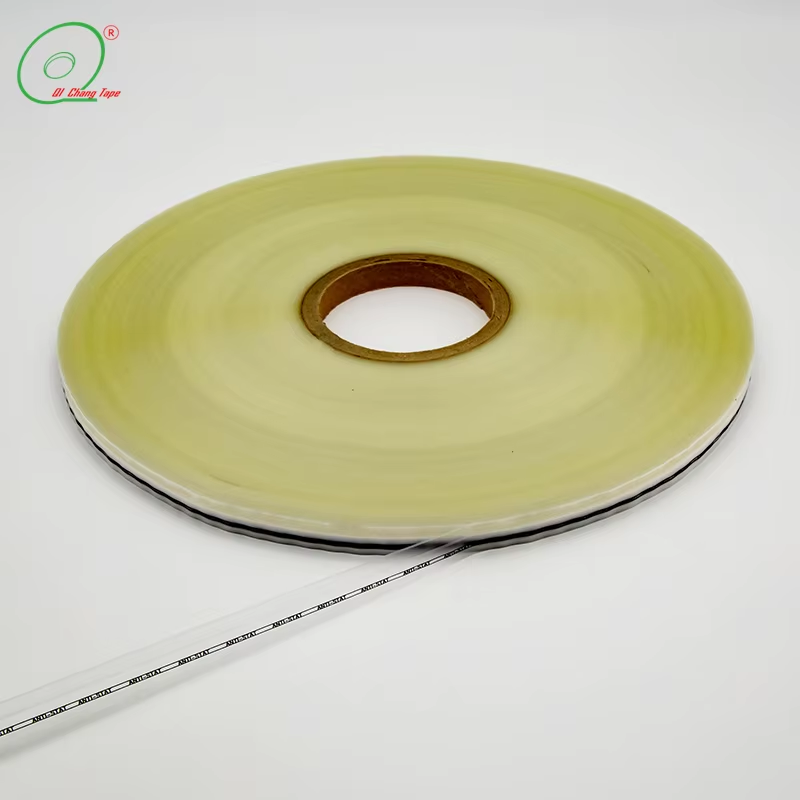
Selecting the right adhesive tape for your specific application can make the difference between a successful project and a costly failure. With hundreds of tape varieties available across different industries, understanding the fundamental principles of tape selection becomes crucial for engineers, procurement professionals, and facility managers. The compatibility between tape adhesive chemistry and substrate materials determines long-term performance, durability, and cost-effectiveness of your bonding solution.
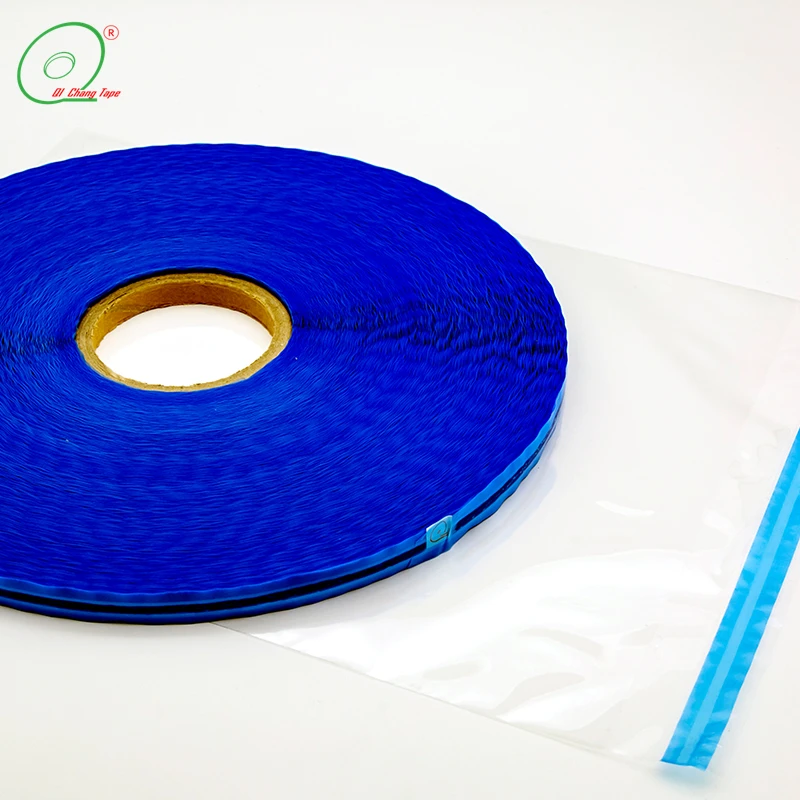
Modern manufacturing and construction environments demand precision in material selection, especially when dealing with diverse substrate combinations. The wrong tape choice can lead to adhesion failure, material damage, or premature bond degradation under environmental stress. Professional-grade applications require systematic evaluation of multiple factors including surface energy, chemical compatibility, temperature resistance, and mechanical stress requirements.
Industrial applications span from simple packaging operations to complex aerospace assemblies, each presenting unique challenges for adhesive tape performance. Understanding these challenges enables informed decision-making that optimizes both immediate functionality and long-term reliability. This comprehensive guide explores the technical considerations and practical strategies for matching tape properties with material characteristics across various industrial sectors.
Understanding Substrate Surface Properties
Surface Energy and Wettability Characteristics
Surface energy fundamentally determines how well an adhesive tape will bond to any given material. High-energy surfaces like metals, glass, and ceramics typically provide excellent adhesion with most tape formulations due to their polar molecular structure. These surfaces readily accept adhesive wetting, creating strong intermolecular attractions that enhance bond strength and durability.
Low-energy surfaces present greater challenges for tape adhesion, requiring specialized adhesive chemistries designed for difficult-to-bond substrates. Materials such as polyethylene, polypropylene, and fluoropolymers exhibit poor wettability due to their non-polar molecular structure. Surface treatment techniques like corona discharge, flame treatment, or chemical primers can significantly improve tape adhesion on these challenging substrates.
The critical surface tension value serves as a quantitative measure for predicting tape performance on different materials. Surfaces with critical surface tension above 38 dynes per centimeter generally provide good adhesion with standard acrylic adhesives. Materials below this threshold often require specialized adhesive formulations or surface preparation to achieve reliable bonding performance.
Material Composition and Chemical Compatibility
Chemical compatibility between tape adhesive and substrate materials prevents degradation, discoloration, or bond failure over time. Certain adhesive chemistries can interact negatively with specific polymers, causing stress cracking, plasticizer migration, or chemical degradation. Understanding these potential interactions requires knowledge of both adhesive composition and substrate chemical structure.
Plasticized materials present particular challenges for adhesive tape selection due to potential plasticizer migration into the adhesive layer. This migration can soften the adhesive, reduce tack, and compromise long-term bond integrity. Specialized low-migration adhesives or barrier coatings help maintain performance when bonding to plasticized substrates like flexible PVC or certain rubber compounds.
Solvent-sensitive substrates require careful adhesive selection to prevent substrate damage or bond failure. Some thermoplastics can be affected by residual solvents in tape adhesives, leading to environmental stress cracking or dimensional changes. Water-based or 100% solids adhesive systems often provide safer alternatives for solvent-sensitive applications while maintaining adequate bond strength.
Environmental Conditions and Performance Requirements
Temperature Resistance and Thermal Cycling
Temperature exposure significantly impacts adhesive tape performance through effects on both adhesive properties and substrate behavior. High-temperature applications require adhesives with elevated glass transition temperatures and thermal stability to prevent softening, flow, or degradation. Silicone-based adhesives typically offer the best high-temperature performance, maintaining bond strength at temperatures exceeding 200°C.
Low-temperature performance becomes critical in refrigerated environments, outdoor applications, or cryogenic systems. Standard acrylic adhesives may become brittle and lose flexibility at sub-zero temperatures, leading to bond failure under mechanical stress. Modified acrylic or rubber-based adhesives maintain flexibility and adhesion at temperatures as low as -40°C or below.
Thermal cycling presents unique challenges as repeated expansion and contraction cycles create mechanical stress at the bond interface. The differential expansion rates between dissimilar materials can generate significant shear or peel forces that may exceed the tape's mechanical limits. Flexible adhesive formulations with good elongation properties help accommodate thermal movement while maintaining bond integrity.
Moisture and Chemical Exposure
Humidity and water exposure can dramatically affect tape performance through multiple mechanisms including adhesive softening, substrate swelling, and interface contamination. Waterproof adhesive tape formulations incorporate moisture barriers and hydrophobic adhesives to maintain performance in wet environments.
Chemical resistance requirements vary widely depending on the specific environment and exposure conditions. Industrial cleaning chemicals, fuels, oils, and process chemicals can attack both the adhesive and backing materials. Chemical compatibility testing becomes essential for applications involving regular chemical exposure to ensure long-term performance and safety.
UV exposure degrades many tape components through photochemical reactions that break down polymer chains and cause discoloration. Outdoor applications require UV-stabilized adhesives and backing materials to prevent premature failure. Specialized UV-resistant formulations incorporate stabilizers and absorbers that extend service life under solar exposure.
Mechanical Stress and Load Distribution
Tensile and Shear Strength Requirements
Mechanical loading patterns determine the required strength characteristics for adhesive tape selection in structural applications. Tensile loads perpendicular to the bond surface create the most challenging conditions for tape performance, as they directly oppose the adhesive bond strength. High-strength structural tapes incorporate reinforcing carriers and specialized adhesive formulations to handle significant tensile loads.
Shear loading parallel to the bond surface typically represents the preferred loading condition for tape applications. Most tapes demonstrate higher shear strength compared to tensile or peel strength, making proper joint design critical for optimal performance. Load distribution techniques such as overlap joints and backing stiffness optimization help maximize shear strength utilization.
Dynamic loading conditions introduce fatigue considerations that may limit tape service life even at stress levels below the ultimate strength. Repeated loading cycles can cause progressive adhesive degradation or backing material failure. Fatigue-resistant formulations and proper joint design help extend service life under cyclic loading conditions.
Peel and Conformability Considerations
Peel resistance varies significantly with peel angle, rate, and temperature, making standardized testing essential for comparative evaluation. Low-angle peel tests typically generate higher apparent peel strength due to the shear component of the applied force. Understanding these testing variables helps predict real-world performance under specific application conditions.
Surface conformability requirements influence both adhesive properties and backing material selection for adhesive tape applications. Irregular or textured surfaces require conformable adhesives with good flow characteristics to achieve intimate contact and maximize bond area. Thin, flexible backing materials enhance conformability but may compromise handling and application characteristics.
Removability requirements create competing demands between initial adhesion strength and clean removal characteristics. Removable tapes utilize specialized adhesive formulations that maintain adequate holding power while allowing clean removal without residue or substrate damage. These formulations often sacrifice ultimate bond strength for removability characteristics.
Application-Specific Selection Criteria
Industrial Manufacturing Applications
Manufacturing environments present diverse challenges for adhesive tape selection ranging from assembly line speeds to process temperature variations. High-speed application equipment requires tapes with consistent unwind characteristics and reliable adhesion performance under rapid dispensing conditions. Backing material stiffness and adhesive tack properties must be optimized for automated application systems.
Process integration considerations include compatibility with existing manufacturing equipment, quality control requirements, and rework procedures. Some applications benefit from repositionable adhesives that allow adjustment during assembly, while others require immediate permanent bonding. Understanding the complete manufacturing process helps optimize tape selection for both performance and efficiency.
Quality assurance requirements in manufacturing often mandate specific certifications, test methods, or documentation standards. Aerospace and medical device applications may require extensive qualification testing and documentation to meet regulatory requirements. Industrial-grade tapes typically offer more comprehensive technical data and quality certifications compared to consumer products.
Construction and Building Applications
Construction applications expose adhesive tape to extreme environmental conditions including UV radiation, temperature cycling, and moisture exposure. Weather sealing applications require tapes with excellent conformability to irregular surfaces and long-term adhesion stability under outdoor conditions. HVAC applications demand temperature resistance and compatibility with common ductwork materials.
Building code compliance may dictate specific performance requirements for fire resistance, toxicity, or structural load capacity. Fire-rated tapes incorporate flame-retardant materials and adhesives that maintain integrity under fire exposure conditions. Understanding applicable building codes helps ensure proper tape selection for code-compliant installations.
Installation conditions in construction often involve challenging environments with limited climate control, contaminated surfaces, and time pressures. Cold-weather installation requires adhesives that develop strength at low temperatures, while dusty conditions may require aggressive adhesive formulations that bond through light contamination. Field testing under actual installation conditions helps validate tape selection decisions.
Testing and Validation Methods
Laboratory Testing Procedures
Standardized test methods provide quantitative data for comparing different adhesive tape options under controlled conditions. ASTM and ISO test standards define specific procedures for measuring adhesion strength, temperature resistance, and aging characteristics. These standardized methods enable reliable comparisons between different tape formulations and suppliers.
Accelerated aging tests simulate long-term environmental exposure in compressed timeframes using elevated temperature, humidity, or UV exposure. While these tests provide valuable comparative data, correlation with real-world performance requires careful interpretation and may need validation through field testing. Understanding test limitations helps avoid over-specification or under-specification of tape requirements.
Application-specific testing often requires custom test fixtures and procedures that more closely simulate actual use conditions. Mock-up testing using representative substrates, environmental conditions, and loading patterns provides more reliable performance prediction than generic laboratory tests. Investment in application-specific testing often pays dividends through improved field performance and reduced warranty issues.
Field Validation and Performance Monitoring
Field testing provides the ultimate validation of adhesive tape selection decisions under actual service conditions. Small-scale trials allow evaluation of installation procedures, environmental effects, and long-term performance trends before full-scale implementation. Systematic monitoring and documentation of field performance builds valuable databases for future selection decisions.
Performance monitoring systems can track tape condition over time through visual inspection, adhesion testing, or automated sensing techniques. Early detection of performance degradation allows proactive maintenance or replacement before catastrophic failure. Documentation of failure modes and root causes provides valuable feedback for improving future tape selection processes.
Service life prediction models combine laboratory test data with field performance observations to estimate tape replacement intervals and life-cycle costs. These models help optimize maintenance schedules and identify opportunities for tape specification improvements. Regular model updates with additional field data improve prediction accuracy over time.
Cost Optimization and Procurement Strategies
Total Cost of Ownership Analysis
Initial tape cost represents only a fraction of the total cost of ownership for most applications. Installation labor, equipment requirements, and maintenance costs often exceed material costs significantly. Life-cycle cost analysis helps identify opportunities where higher-performance adhesive tape options provide better overall value through reduced installation time or extended service life.
Failure costs can dramatically impact the total cost equation, particularly in critical applications where tape failure leads to downtime, rework, or safety issues. Risk assessment methodologies help quantify potential failure costs and justify premium tape selections for high-consequence applications. Insurance and liability considerations may also influence tape selection decisions in critical applications.
Volume purchasing strategies can reduce unit costs while ensuring consistent supply for ongoing operations. Long-term agreements with qualified suppliers often provide price stability and priority allocation during supply constraints. Supplier qualification processes should evaluate technical capability, quality systems, and supply chain reliability in addition to pricing factors.
Supplier Selection and Quality Assurance
Supplier qualification involves evaluation of technical capabilities, manufacturing quality systems, and supply chain reliability. Established adhesive tape manufacturers typically offer more comprehensive technical support, consistent product quality, and reliable supply compared to commodity suppliers. Technical service capabilities become particularly important for custom applications or troubleshooting performance issues.
Quality certification requirements may dictate specific supplier qualifications or manufacturing standards. ISO certification, statistical process control, and traceability systems help ensure consistent product quality and enable rapid resolution of quality issues. Supplier audits and quality agreements formalize expectations and provide mechanisms for continuous improvement.
Supply chain resilience considerations include geographic diversity, inventory management, and alternative sourcing strategies. Critical applications benefit from qualified alternate suppliers and strategic inventory positions to minimize disruption risks. Regular supplier performance monitoring helps identify potential issues before they impact operations.
FAQ
What factors determine adhesive tape compatibility with different materials
Surface energy, chemical compatibility, and environmental conditions are the primary factors determining tape compatibility. High-energy surfaces like metals and glass provide better adhesion than low-energy plastics. Chemical interactions between adhesive and substrate can cause degradation or bond failure over time. Temperature, humidity, and chemical exposure also significantly impact long-term compatibility and performance.
How do I select tape for high-temperature applications
High-temperature applications require adhesives with elevated glass transition temperatures and thermal stability. Silicone-based adhesives typically offer the best performance above 150°C, while modified acrylics work well for moderate temperatures up to 120°C. Consider both continuous operating temperature and short-term temperature excursions when selecting tape specifications.
What testing should I perform before large-scale tape implementation
Conduct application-specific testing using representative substrates and environmental conditions. Standard adhesion tests provide baseline data, but mock-up testing under actual service conditions gives more reliable performance prediction. Accelerated aging tests help evaluate long-term stability, while field trials validate performance under real-world conditions before full-scale deployment.
How can I optimize adhesive tape costs without compromising performance
Focus on total cost of ownership rather than initial purchase price. Higher-performance tapes often provide better value through reduced installation time, extended service life, or lower failure costs. Volume purchasing agreements can reduce unit costs while ensuring supply security. Consider standardizing on fewer tape types to achieve volume benefits and simplify inventory management.