
 EN
EN
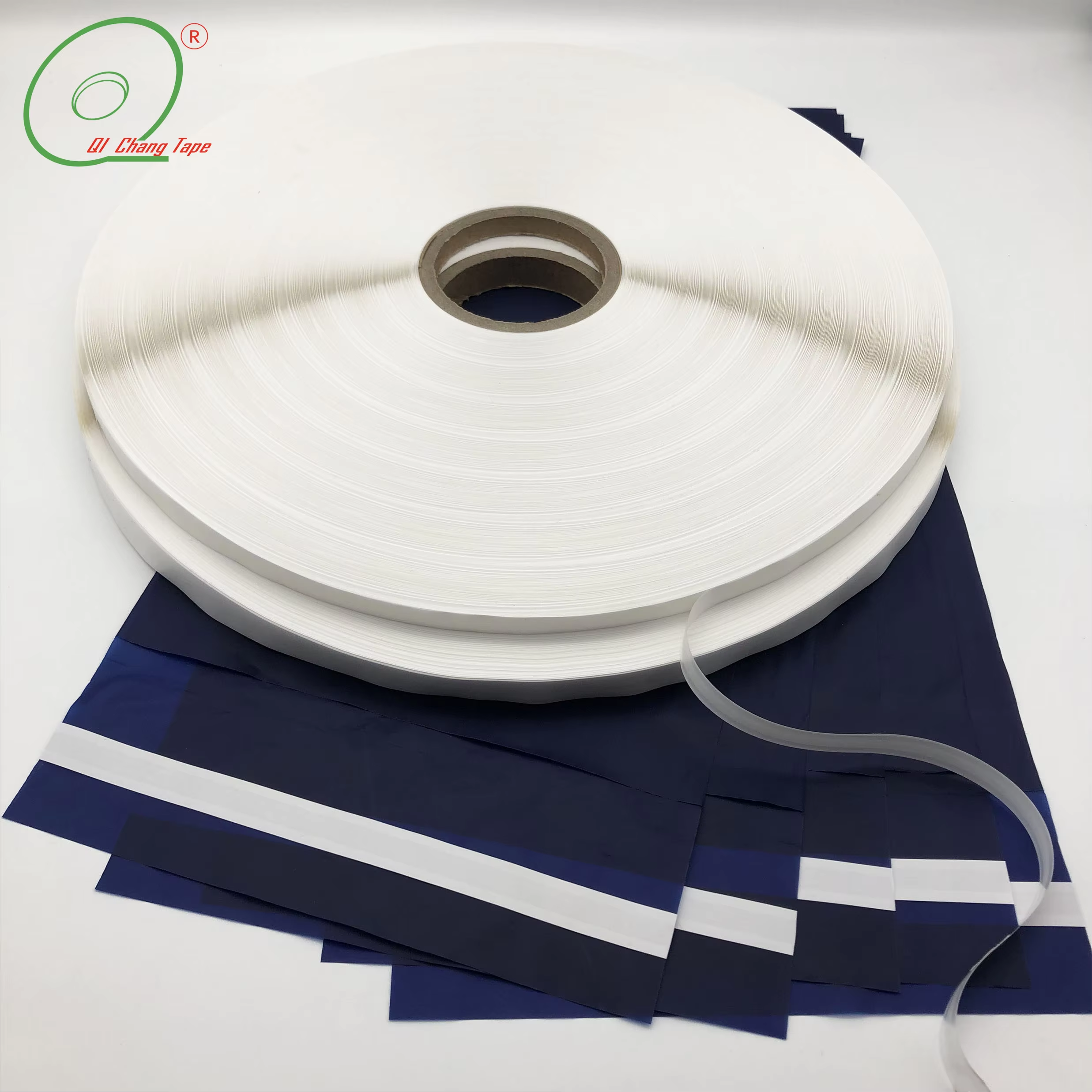
Selecting the appropriate sealing solution for heavy-duty packaging applications requires careful consideration of multiple technical and operational factors. When businesses need to secure bags containing industrial materials, food products, or sensitive components, the choice of adhesive technology directly impacts product integrity, storage longevity, and customer satisfaction. Understanding the fundamental properties that distinguish effective permanent bag sealing tape from standard alternatives becomes crucial for procurement professionals and operations managers tasked with optimizing packaging workflows while maintaining quality standards.
Understanding Permanent Adhesive Technology in Industrial Applications
Chemical Composition and Bonding Mechanisms
The foundation of effective permanent bag sealing tape lies in its adhesive chemistry, which determines how well the tape bonds to various substrate materials under stress. Acrylic-based adhesives offer superior aging characteristics and temperature resistance, making them ideal for applications where sealed bags must withstand extended storage periods or environmental fluctuations. Rubber-based formulations provide immediate tack and conformability to irregular surfaces, though they may degrade faster under UV exposure or extreme temperatures.
Hot-melt adhesives represent another category frequently employed in permanent bag sealing tape construction, delivering excellent initial bond strength and resistance to moisture penetration. These synthetic polymer systems create molecular-level adhesion through van der Waals forces and mechanical interlocking, ensuring that once applied, the seal maintains integrity even under significant mechanical stress. The crosslinking density within the adhesive matrix directly correlates with the tape's ability to resist creep and maintain dimensional stability over time.
Temperature Performance and Environmental Resistance
Heavy-duty applications often expose sealed bags to temperature extremes that can compromise inferior sealing solutions. Quality permanent bag sealing tape maintains adhesive properties across temperature ranges from -40°F to 200°F, ensuring consistent performance in cold storage facilities, heated warehouses, and outdoor shipping environments. The glass transition temperature of the adhesive system determines how the tape behaves when subjected to thermal cycling, with properly formulated products maintaining flexibility without becoming brittle or losing tack.
Humidity resistance represents another critical performance parameter, as moisture infiltration can weaken adhesive bonds and compromise package integrity. Advanced permanent bag sealing tape incorporates moisture-barrier technologies that prevent water vapor transmission while maintaining breathability where required. This balance ensures that sealed contents remain protected without creating conditions that promote condensation or mold growth within the package.
Material Compatibility and Substrate Considerations
Plastic Film Adhesion Properties
Different plastic substrates present unique challenges for permanent bag sealing tape application, requiring careful matching of adhesive chemistry to surface energy characteristics. Low-surface-energy materials like polyethylene and polypropylene demand specialized adhesive formulations that can establish strong bonds despite the substrate's natural resistance to wetting. Corona treatment or flame treatment of these surfaces improves adhesion, but the permanent bag sealing tape must still possess sufficient aggressive tack to penetrate any remaining surface contamination.
Higher-energy substrates such as PET, nylon, and treated films typically accept adhesive bonding more readily, allowing for broader formulation options in permanent bag sealing tape selection. However, the crystallinity and orientation of these materials can affect long-term adhesion performance, particularly when bags undergo repeated flexing or vibration during handling and transport. Understanding substrate characteristics enables proper tape selection that balances initial adhesion with long-term bond stability.
Paper and Composite Material Interactions
Paper-based packaging materials require permanent bag sealing tape formulations that can penetrate the porous substrate structure while maintaining surface adhesion. The fiber density, sizing treatments, and moisture content of paper substrates influence how effectively tape adhesives wet the surface and create mechanical interlocking. Coated papers present additional complexity, as the coating chemistry may interfere with adhesive bonding or create interfacial failure under stress.
Multi-layer composite materials commonly used in industrial packaging combine different substrate properties within a single structure, requiring permanent bag sealing tape that adapts to varying surface energies and thermal expansion coefficients. Laminated structures may experience delamination if the tape adhesive penetrates too deeply or if thermal cycling creates differential stress patterns. Proper tape selection considers the weakest interface within the composite structure to prevent failure modes that compromise package integrity.
Performance Testing and Quality Assurance Protocols
Adhesion Strength Measurement Standards
Quantifying the performance of permanent bag sealing tape requires standardized testing methodologies that simulate real-world application conditions. Peel adhesion testing measures the force required to remove tape from a substrate at controlled angles and speeds, providing baseline data for comparing different formulations. The 180-degree peel test offers the most stringent evaluation, as it subjects the adhesive bond to maximum stress while eliminating leverage effects that might artificially inflate performance values.
Shear adhesion testing evaluates how well permanent bag sealing tape resists sliding forces that occur when sealed bags are stacked, transported, or handled roughly. This test method applies controlled loads parallel to the adhesive interface, measuring the time required for bond failure or the maximum load the seal can withstand. Extended shear tests at elevated temperatures provide insight into long-term performance under demanding storage conditions.
Environmental Durability Assessment
Accelerated aging protocols subject permanent bag sealing tape samples to elevated temperature and humidity conditions that simulate months or years of normal service life within compressed timeframes. These tests reveal potential failure mechanisms such as adhesive degradation, carrier deformation, or interfacial separation that might not be apparent during short-term evaluation. UV exposure testing determines how sunlight and artificial lighting affect tape performance in applications where sealed packages experience extended light exposure.
Chemical resistance testing evaluates permanent bag sealing tape performance when exposed to solvents, oils, acids, or other substances that might contact the seal during normal use. This testing proves particularly important for industrial applications where sealed bags might encounter aggressive chemicals or cleaning agents. Compatibility matrices help identify formulations that maintain adhesion and structural integrity when exposed to specific chemical environments.
Application Techniques and Installation Best Practices
Surface Preparation Requirements
Achieving optimal performance from permanent bag sealing tape begins with proper substrate preparation that removes contaminants and optimizes surface conditions for adhesive bonding. Dust, oils, moisture, and release agents commonly found on packaging materials can create interfacial barriers that prevent intimate contact between the adhesive and substrate. Solvent wiping with isopropyl alcohol or specialized cleaning agents removes most organic contaminants, though complete solvent evaporation must occur before tape application.
Temperature conditioning ensures that both the substrate and permanent bag sealing tape reach optimal application temperatures before bonding. Cold substrates may not allow proper adhesive flow and wetting, resulting in poor initial tack and reduced ultimate adhesion. Conversely, overheated surfaces can cause premature adhesive cure or create thermal stress patterns that compromise long-term bond integrity. Maintaining application temperatures within manufacturer-specified ranges optimizes adhesive performance and bond durability.
Installation Methodology and Equipment Considerations
Manual application of permanent bag sealing tape requires consistent pressure application to ensure complete adhesive contact with the substrate surface. Rolling or burnishing techniques help eliminate air bubbles and achieve uniform pressure distribution across the entire seal area. The application rate affects how well the adhesive can flow and conform to surface irregularities, with slower application generally producing superior bonds on textured or uneven substrates.
Automated dispensing equipment offers advantages in high-volume applications where consistent permanent bag sealing tape placement and pressure application improve seal reliability. Programmable dispensers can optimize application parameters such as tape tension, pressure roller force, and dwell time to match specific substrate and adhesive characteristics. Temperature-controlled applicators maintain optimal adhesive viscosity and flow properties, particularly important for hot-melt or thermally activated formulations.
Cost Analysis and Return on Investment Calculations
Total Cost of Ownership Evaluation
While permanent bag sealing tape may command higher initial purchase prices compared to standard alternatives, comprehensive cost analysis reveals the economic advantages of superior performance and reliability. Reduced product loss from seal failure, decreased customer complaints, and lower repackaging costs often justify premium pricing for high-quality sealing solutions. Labor costs associated with rework and quality inspections also factor into total cost calculations, as reliable permanent bag sealing tape reduces manual intervention requirements.
Inventory management benefits emerge when consistent permanent bag sealing tape performance reduces safety stock requirements and eliminates the need for backup sealing methods. Predictable seal integrity allows for optimized storage conditions and extended shelf life projections, improving cash flow and reducing waste disposal costs. These operational efficiencies compound over time, creating substantial value beyond the immediate cost differential between tape options.
Performance Value Quantification
Measuring the return on investment for premium permanent bag sealing tape requires tracking performance metrics that correlate with business outcomes. Seal failure rates provide direct feedback on product effectiveness, while customer satisfaction scores and warranty claims indicate market perception of packaging quality. Time-to-failure data helps establish replacement schedules and maintenance protocols that optimize system availability and minimize disruption to production workflows.
Productivity improvements from reduced changeover times and simplified application procedures contribute additional value that justifies investment in superior permanent bag sealing tape formulations. Training requirements decrease when operators work with consistent, reliable products, while quality control processes become more efficient when seal variability is minimized. These soft benefits often exceed direct material cost savings in high-volume manufacturing environments.
Industry-Specific Requirements and Regulatory Compliance
Food Safety and FDA Compliance Standards
Food packaging applications impose stringent requirements on permanent bag sealing tape formulations to ensure consumer safety and regulatory compliance. FDA-approved adhesives and carrier materials must demonstrate no migration of harmful substances into food products while maintaining effective barrier properties against contamination. Testing protocols evaluate both direct and indirect food contact scenarios, with particular attention to migration potential under elevated temperature storage conditions.
Organic certification and allergen considerations add complexity to permanent bag sealing tape selection for specialized food markets. Natural rubber latex adhesives may trigger allergic reactions in sensitive individuals, requiring alternative formulations based on synthetic polymers or acrylics. Kosher and halal certification requirements affect raw material sourcing and manufacturing processes, influencing availability and cost of compliant sealing solutions.
Medical and Pharmaceutical Applications
Healthcare packaging demands permanent bag sealing tape formulations that maintain sterility barriers while allowing sterilization processing through gamma radiation, ethylene oxide, or steam autoclave methods. Adhesive stability under sterilization conditions ensures that sealed packages retain integrity throughout processing and subsequent storage. Biocompatibility testing confirms that tape components do not exhibit cytotoxic or sensitization effects when in proximity to medical devices or pharmaceutical products.
Controlled environment requirements in pharmaceutical manufacturing facilities necessitate permanent bag sealing tape with minimal outgassing characteristics and particle generation potential. Clean room compatibility ratings help facility managers select appropriate sealing materials that maintain environmental classification standards. Traceability requirements may mandate lot coding and documentation systems that track tape usage through production and distribution channels.
Troubleshooting Common Application Issues
Adhesion Failure Diagnosis and Prevention
When permanent bag sealing tape fails to achieve expected performance levels, systematic diagnosis helps identify root causes and implement corrective actions. Adhesive failure typically manifests as clean removal from one substrate surface, indicating insufficient bonding force or incompatible chemistry between the adhesive and substrate. Cohesive failure presents as adhesive residue remaining on both surfaces after separation, suggesting overloading of the adhesive system or improper cure conditions.
Environmental factors frequently contribute to permanent bag sealing tape application problems, including temperature fluctuations, humidity variations, or chemical exposure beyond design specifications. Identifying these conditions through monitoring and documentation enables process adjustments or material upgrades that restore reliable performance. Substrate contamination remains a common cause of inconsistent results, requiring enhanced cleaning protocols or alternative preparation methods.
Storage and Handling Optimization
Proper storage conditions preserve permanent bag sealing tape performance characteristics throughout shelf life and minimize application variability. Temperature-controlled environments prevent adhesive softening or hardening that affects application properties, while humidity control prevents moisture absorption that can interfere with bonding. UV protection maintains carrier material integrity and prevents adhesive degradation in formulations sensitive to light exposure.
Handling procedures that minimize contamination and physical damage ensure consistent permanent bag sealing tape performance during application. Clean storage areas, proper dispensing equipment, and trained personnel reduce the likelihood of introducing contaminants or creating application defects. Inventory rotation systems prevent extended storage beyond recommended shelf life, maintaining optimal adhesive properties for critical sealing applications.
FAQ
What factors determine the appropriate width for permanent bag sealing tape in heavy-duty applications
The optimal width for permanent bag sealing tape depends on the bag opening dimensions, seal overlap requirements, and applied stress levels. Heavy-duty applications typically require wider tapes to distribute loads across larger surface areas, reducing stress concentrations that could cause premature failure. Standard widths range from 1 inch to 4 inches, with custom widths available for specialized applications. Consider both the initial seal strength and long-term durability when selecting tape width, as insufficient coverage may compromise performance under demanding conditions.
How does permanent bag sealing tape perform in extreme temperature environments
High-quality permanent bag sealing tape maintains adhesive properties across temperature ranges from -40°F to 200°F, though specific formulations may offer extended ranges for specialized applications. Cold temperatures can reduce initial tack and slow final bond development, while excessive heat may cause adhesive softening or carrier deformation. Temperature cycling creates thermal stress that tests the elastic properties of both adhesive and carrier materials. Select formulations specifically tested for your operating temperature range to ensure reliable performance throughout the service life.
What testing methods verify permanent bag sealing tape quality before implementation
Standard testing protocols include peel adhesion measurement using 180-degree and 90-degree test methods, shear adhesion evaluation under controlled loads, and environmental exposure testing that simulates service conditions. Accelerated aging tests compress months of normal exposure into weeks of laboratory testing, revealing potential failure modes before full-scale implementation. Application-specific testing should replicate actual substrate materials, environmental conditions, and stress patterns expected during service. Request test data from suppliers and consider conducting verification testing with your specific materials and conditions.
Can permanent bag sealing tape be removed if repositioning becomes necessary
True permanent bag sealing tape creates bonds intended to resist removal, though some formulations allow careful repositioning within minutes of application before full cure occurs. Once fully bonded, removal typically requires solvents, heat, or mechanical force that may damage the substrate surface. For applications requiring potential repositioning, consider removable or repositionable grades that balance initial holding power with removal capability. However, these alternatives may not provide the same level of long-term durability and environmental resistance as permanent formulations designed for heavy-duty service.
Table of Contents
- Understanding Permanent Adhesive Technology in Industrial Applications
- Material Compatibility and Substrate Considerations
- Performance Testing and Quality Assurance Protocols
- Application Techniques and Installation Best Practices
- Cost Analysis and Return on Investment Calculations
- Industry-Specific Requirements and Regulatory Compliance
- Troubleshooting Common Application Issues
-
FAQ
- What factors determine the appropriate width for permanent bag sealing tape in heavy-duty applications
- How does permanent bag sealing tape perform in extreme temperature environments
- What testing methods verify permanent bag sealing tape quality before implementation
- Can permanent bag sealing tape be removed if repositioning becomes necessary