
 EN
EN
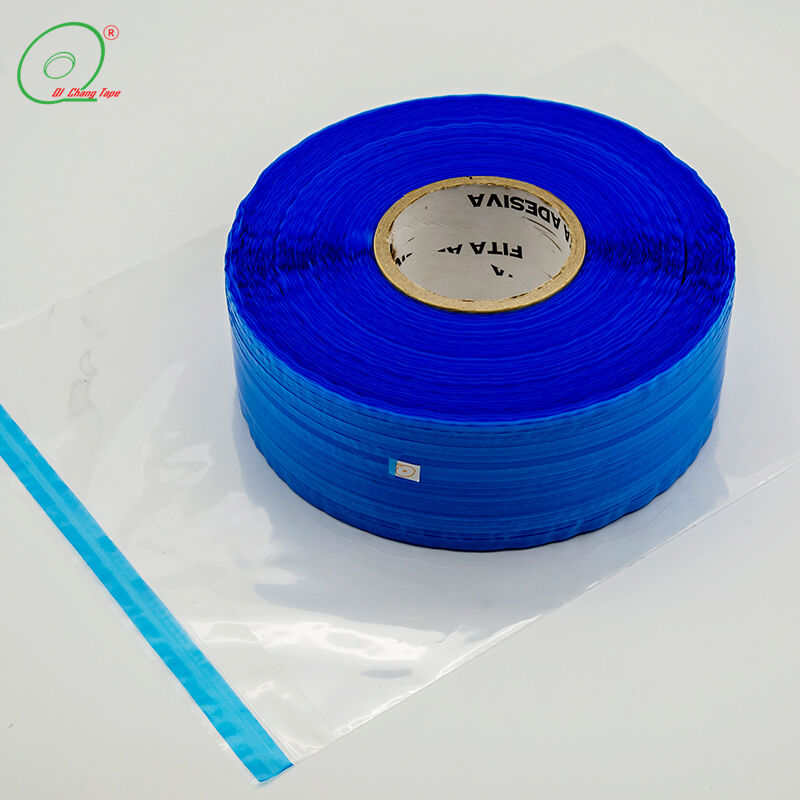
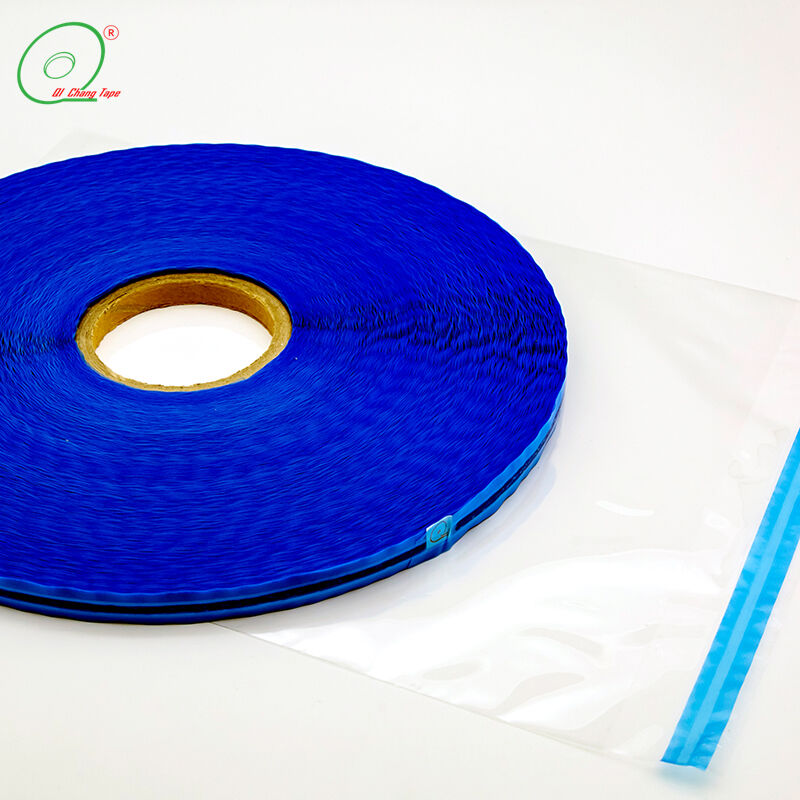 Modern retail packaging faces unprecedented challenges in balancing customer convenience, product protection, and operational efficiency. Retailers constantly seek innovative solutions that enhance the consumer experience while maintaining cost-effectiveness and environmental responsibility. One emerging technology that addresses these multifaceted needs is resealable bag sealing tape, which transforms traditional packaging into interactive, reusable storage solutions that extend product life and improve customer satisfaction.
The retail packaging landscape has evolved significantly over the past decade, driven by changing consumer expectations and increasing environmental awareness. Today's shoppers demand packaging that serves multiple purposes beyond mere product containment. They expect convenience features that enhance usability, extend product freshness, and reduce waste. This shift has created substantial opportunities for retailers who embrace innovative packaging technologies that deliver tangible value to both consumers and business operations.
Traditional packaging methods often fall short of meeting these evolving demands, creating friction points in the customer journey and missed opportunities for brand differentiation. Many retailers struggle with packaging that becomes unusable after initial opening, leading to customer complaints about product deterioration and waste. The solution lies in advanced sealing technologies that maintain product integrity throughout the entire consumption cycle while providing users with intuitive, reliable closure mechanisms.
Understanding Resealable Bag Sealing Technology
Core Components and Functionality
Resealable bag sealing tape represents a sophisticated advancement in packaging technology, incorporating specialized adhesive formulations and backing materials designed to provide repeated sealing and unsealing cycles without performance degradation. The technology utilizes pressure-sensitive adhesives that maintain their bonding strength through multiple applications while allowing clean removal without residue. This dual functionality requires precise engineering of both the adhesive chemistry and the carrier substrate to achieve optimal performance characteristics.
The effectiveness of resealable bag sealing tape depends on several critical factors including adhesive formulation, backing material properties, and manufacturing precision. High-quality systems incorporate modified acrylic or synthetic rubber adhesives that provide excellent initial tack while maintaining removability. The backing material, typically polyethylene or specialized polymer films, must offer sufficient strength and flexibility to withstand repeated handling without tearing or deforming. These components work synergistically to create a sealing system that performs consistently across various environmental conditions and usage scenarios.
Manufacturing Standards and Quality Control
Professional-grade resealable bag sealing tape undergoes rigorous manufacturing processes designed to ensure consistent performance and reliability. Quality control measures include adhesive consistency testing, peel strength evaluation, and environmental resistance validation. These procedures verify that each production batch meets specified performance criteria for factors such as initial adhesion, repositioning capability, and long-term seal integrity. Advanced manufacturing facilities employ automated application systems and real-time monitoring to maintain optimal production standards.
The manufacturing process for high-performance resealable bag sealing tape involves multiple stages of quality verification, from raw material inspection to finished product testing. Adhesive coating uniformity, backing material thickness consistency, and release liner quality all contribute to the final product's effectiveness. Manufacturers utilize sophisticated testing protocols including accelerated aging studies, temperature cycling tests, and mechanical stress evaluations to ensure product reliability under real-world conditions. This comprehensive approach to quality assurance results in sealing solutions that deliver consistent performance throughout their intended service life.
Retail Applications and Market Advantages
Food and Beverage Packaging Solutions
The food and beverage sector represents the largest application area for resealable bag sealing tape technology, where product freshness and contamination prevention are paramount concerns. Retailers in this sector face constant pressure to extend product shelf life while maintaining visual appeal and ease of access. Resealable packaging solutions address these challenges by creating hermetic seals that protect contents from moisture, air, and contaminants while allowing consumers to access portions as needed. This functionality proves especially valuable for snack foods, dried goods, and specialty items where repeated access is common.
Implementation of resealable bag sealing tape in food packaging has demonstrated measurable benefits including reduced product returns, improved customer satisfaction scores, and enhanced brand loyalty. Retailers report significant decreases in complaints related to stale or spoiled products when switching from traditional closure methods to advanced resealable systems. The technology also enables portion control and extended consumption periods, which appeal to health-conscious consumers and busy families seeking convenient meal planning solutions.
Non-Food Retail Applications
Beyond food applications, resealable bag sealing tape offers substantial benefits for retailers in electronics, pharmaceuticals, cosmetics, and industrial supplies. These sectors require packaging that protects sensitive products from environmental factors while providing secure, tamper-evident closure systems. The versatility of modern resealable bag sealing tape allows customization for specific product requirements including antistatic properties for electronics, moisture barrier characteristics for pharmaceuticals, and child-resistant features for potentially hazardous materials.
The adoption of resealable packaging technology in non-food retail segments has opened new opportunities for product differentiation and premium positioning. Retailers can leverage the convenience and functionality of advanced sealing systems to justify higher price points while delivering genuine value to consumers. This approach proves particularly effective in competitive markets where traditional differentiation strategies have become commoditized and customers actively seek products offering superior user experience and practical benefits.
Implementation Strategies for Retail Success
Integration Planning and Process Optimization
Successful implementation of resealable bag sealing tape requires comprehensive planning that addresses equipment requirements, staff training, and quality assurance protocols. Retailers must evaluate their existing packaging operations to identify integration points and potential bottlenecks that could impact production efficiency. The transition process typically involves equipment modifications or additions, workflow adjustments, and establishment of new quality control checkpoints to ensure consistent application and performance of the sealing system.
Effective integration strategies focus on gradual implementation across product lines, allowing retailers to refine processes and optimize performance before full-scale deployment. This approach minimizes disruption to existing operations while providing opportunities to gather performance data and customer feedback. Successful retailers often begin with high-volume or premium products where the benefits of resealable bag sealing tape can be most easily quantified and appreciated by consumers. The experience gained during initial implementation phases informs broader rollout strategies and helps identify best practices for different product categories.
Training and Quality Management
Personnel training represents a critical success factor in resealable bag sealing tape implementation, as proper application techniques directly impact seal integrity and customer satisfaction. Training programs should cover adhesive handling procedures, application pressure requirements, environmental considerations, and troubleshooting protocols. Well-trained operators can identify potential issues before they affect product quality and make real-time adjustments to maintain optimal sealing performance. Regular training updates ensure staff remain current with best practices and new technology developments.
Quality management systems for resealable packaging operations require specialized metrics and monitoring protocols designed to track seal integrity, application consistency, and long-term performance. These systems typically incorporate both automated testing equipment and manual inspection procedures to verify that each sealed package meets established quality standards. Retailers implementing comprehensive quality management programs report significantly lower defect rates and improved customer satisfaction compared to those relying solely on basic quality control measures.
Economic Benefits and Return on Investment
Cost Analysis and Financial Impact
The economic benefits of implementing resealable bag sealing tape extend beyond simple material costs to encompass reductions in product returns, warranty claims, and customer service expenses. Retailers typically experience immediate cost savings from decreased product spoilage and damage during storage and transit. Long-term financial benefits include improved customer retention, increased repeat purchases, and opportunities for premium pricing based on enhanced packaging functionality. These factors combine to create compelling return on investment scenarios that justify the initial implementation costs.
Comprehensive cost analysis reveals that resealable bag sealing tape implementation generates positive cash flow within twelve to eighteen months for most retail applications. The primary cost drivers include initial equipment investments, training expenses, and slightly higher material costs compared to traditional sealing methods. However, these investments are typically offset by measurable improvements in operational efficiency, reduced waste disposal costs, and enhanced customer satisfaction metrics that translate directly to increased sales and market share growth.
Competitive Advantages and Market Positioning
Retailers who successfully implement resealable bag sealing tape technology gain significant competitive advantages through product differentiation and enhanced customer experience. The convenience and functionality provided by advanced sealing systems create barriers to customer switching while generating positive word-of-mouth marketing effects. These benefits prove particularly valuable in mature markets where traditional differentiation strategies have limited effectiveness and price competition threatens profit margins.
Market positioning strategies leveraging resealable packaging technology focus on communicating practical benefits and superior user experience rather than technical specifications. Successful retailers emphasize convenience, freshness preservation, and environmental responsibility when promoting products featuring advanced sealing systems. This approach resonates strongly with contemporary consumer values and creates emotional connections that transcend simple price considerations. The result is increased brand loyalty, higher customer lifetime value, and improved market position relative to competitors using conventional packaging methods.
Environmental Impact and Sustainability
Waste Reduction and Resource Efficiency
Environmental considerations play an increasingly important role in packaging decisions, and resealable bag sealing tape offers significant sustainability advantages compared to traditional single-use closure systems. The extended usability provided by resealable packaging reduces food waste, extends product life cycles, and decreases the frequency of replacement purchases. These benefits translate to reduced resource consumption throughout the supply chain and lower overall environmental impact per unit of product delivered to consumers.
The sustainability profile of resealable bag sealing tape continues to improve through advances in bio-based adhesives, recyclable backing materials, and manufacturing process optimization. Modern formulations increasingly utilize renewable raw materials and low-impact production methods that minimize environmental footprint while maintaining performance characteristics. Retailers committed to environmental stewardship find that resealable packaging technology aligns well with broader sustainability goals while delivering tangible business benefits and positive customer response.
Circular Economy Integration
Integration of resealable bag sealing tape into circular economy initiatives represents an emerging opportunity for forward-thinking retailers seeking to maximize environmental benefits while maintaining profitability. The reusable nature of advanced sealing systems supports extended product lifecycles and reduces overall packaging waste generation. When combined with take-back programs and recycling initiatives, resealable packaging can become part of closed-loop systems that minimize environmental impact while creating customer engagement opportunities.
Retailers implementing circular economy approaches with resealable bag sealing tape often discover unexpected synergies between environmental goals and business objectives. Extended product lifecycles reduce replacement demand pressure while creating opportunities for value-added services and customer relationship development. These programs generate positive brand associations and support premium positioning strategies that enhance profitability while advancing sustainability goals. The result is a integrated approach to retail packaging that serves multiple stakeholder interests simultaneously.
Future Trends and Technology Development
Smart Packaging Integration
The future of resealable bag sealing tape technology increasingly involves integration with smart packaging systems that provide real-time information about product condition, freshness, and authenticity. Advanced sealing systems incorporating sensors, indicators, and connectivity features offer unprecedented visibility into product status throughout the supply chain and during consumer use. These capabilities enable proactive quality management, enhanced customer communication, and new service models based on continuous product monitoring and support.
Development of intelligent resealable bag sealing tape systems focuses on seamlessly integrating electronic components without compromising sealing performance or user convenience. Early implementations include temperature indicators, freshness sensors, and tamper detection systems that communicate status information through visual cues or mobile applications. As these technologies mature, retailers will gain powerful tools for product differentiation, customer engagement, and operational optimization that extend far beyond basic packaging functionality.
Customization and Personalization
Emerging trends in resealable bag sealing tape development emphasize customization capabilities that allow retailers to tailor packaging solutions to specific product requirements and consumer preferences. Advanced manufacturing techniques enable variable adhesive formulations, specialized backing materials, and custom printing or labeling within individual production runs. This flexibility supports niche market development, seasonal product variations, and personalized packaging options that enhance customer experience and brand differentiation.
The evolution toward customizable resealable bag sealing tape solutions reflects broader retail trends emphasizing personalization and customer-centric design. Retailers can leverage these capabilities to create unique packaging experiences that reinforce brand identity while delivering functional benefits tailored to specific consumer segments. This approach proves particularly effective for premium products, limited editions, and direct-to-consumer channels where packaging plays a crucial role in overall customer experience and brand perception.
FAQ
What are the primary benefits of using resealable bag sealing tape for retail packaging?
Resealable bag sealing tape offers multiple benefits including extended product freshness, reduced waste, improved customer convenience, and enhanced product protection during storage and transport. Retailers typically experience decreased returns, increased customer satisfaction, and opportunities for premium positioning when implementing advanced sealing systems. The technology also supports environmental sustainability goals by extending product lifecycles and reducing packaging waste.
How does resealable bag sealing tape compare to traditional closure methods in terms of cost and performance?
While initial material costs for resealable bag sealing tape may be slightly higher than traditional closure methods, the technology delivers superior long-term value through reduced product losses, fewer customer complaints, and improved operational efficiency. Most retailers achieve positive return on investment within twelve to eighteen months through cost savings and increased sales. Performance advantages include superior seal integrity, multiple use cycles, and consistent functionality across various environmental conditions.
What industries and product categories benefit most from resealable bag sealing tape implementation?
Food and beverage retailers see the greatest immediate benefits from resealable bag sealing tape, particularly for snack foods, dried goods, and specialty items requiring freshness preservation. However, the technology also proves valuable for electronics, pharmaceuticals, cosmetics, and industrial supplies where product protection and secure closure are important. Any retail category where customers value convenience, product integrity, and extended usability can benefit from advanced sealing systems.
How can retailers ensure successful implementation of resealable bag sealing tape technology?
Successful implementation requires comprehensive planning including equipment evaluation, staff training, quality control protocol development, and gradual rollout across product lines. Retailers should begin with high-volume or premium products where benefits can be easily measured and appreciated by customers. Proper training, quality management systems, and ongoing performance monitoring are essential for maintaining optimal results and maximizing return on investment from resealable packaging technology.
Table of Contents
- Understanding Resealable Bag Sealing Technology
- Retail Applications and Market Advantages
- Implementation Strategies for Retail Success
- Economic Benefits and Return on Investment
- Environmental Impact and Sustainability
- Future Trends and Technology Development
-
FAQ
- What are the primary benefits of using resealable bag sealing tape for retail packaging?
- How does resealable bag sealing tape compare to traditional closure methods in terms of cost and performance?
- What industries and product categories benefit most from resealable bag sealing tape implementation?
- How can retailers ensure successful implementation of resealable bag sealing tape technology?