Premium Silicone Liner Solutions - Advanced Protection Technology for Industrial Applications

All Categories

sillicone liner

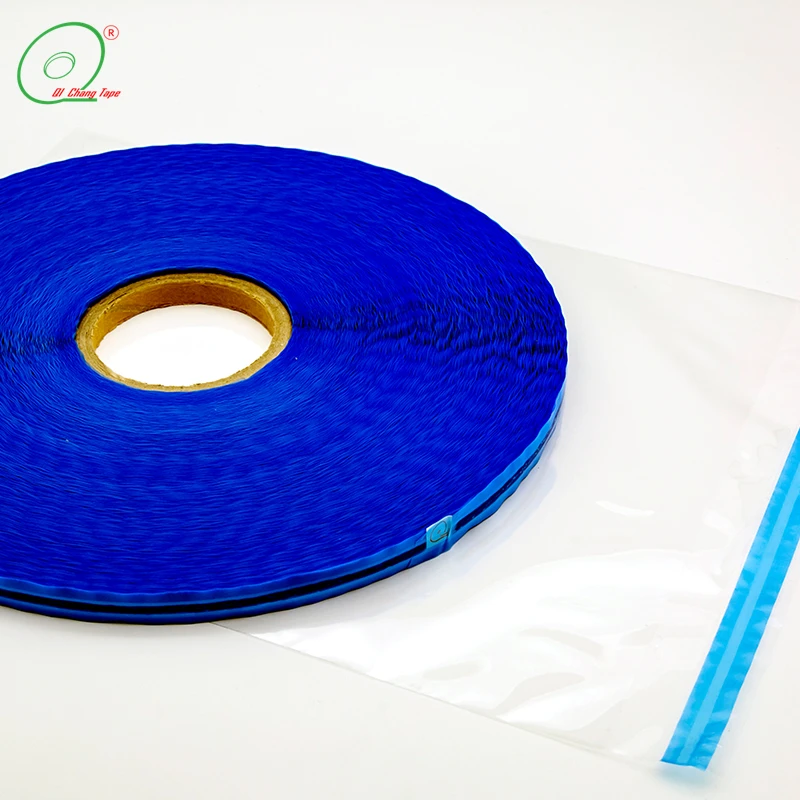
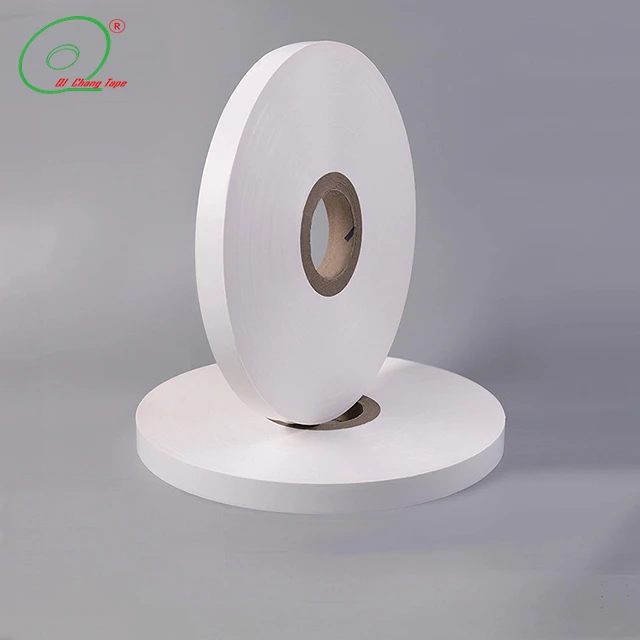
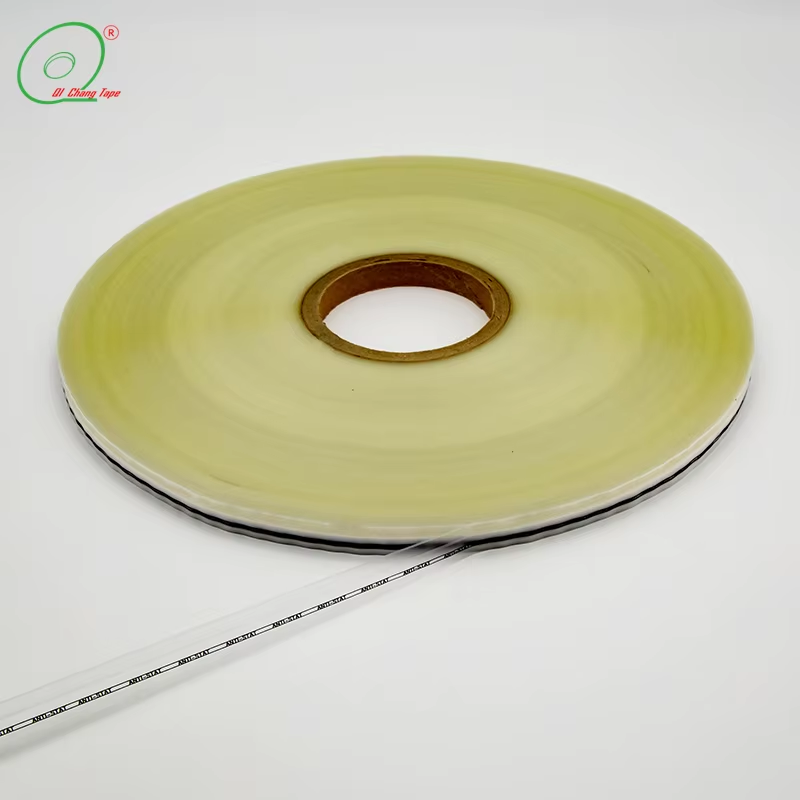
A silicone liner represents a revolutionary protective solution designed to create a barrier between surfaces and external elements. These specialized liners utilize advanced silicone polymer technology to deliver exceptional performance across diverse applications. The primary function of a silicone liner involves providing a durable, flexible, and chemically resistant protective layer that maintains its integrity under extreme conditions. Manufacturing processes incorporate high-grade silicone compounds that undergo precise vulcanization, resulting in a product that exhibits remarkable stability and longevity. The silicone liner demonstrates superior adhesion properties while maintaining easy removal characteristics when necessary. Temperature resistance stands as a defining feature, with most silicone liners capable of withstanding temperatures ranging from negative 65 degrees Celsius to positive 200 degrees Celsius without compromising structural integrity. This temperature tolerance makes the silicone liner ideal for applications involving thermal cycling or exposure to extreme heat or cold. Chemical compatibility represents another crucial aspect, as the silicone liner resists degradation from acids, bases, oils, and various solvents commonly encountered in industrial environments. Applications span numerous industries including automotive, aerospace, medical, food processing, and marine sectors. In automotive applications, the silicone liner protects against corrosion and wear in engine compartments and undercarriage areas. Aerospace applications utilize the silicone liner for sealing and insulation purposes in aircraft components. Medical applications benefit from the biocompatible nature of the silicone liner, making it suitable for various medical devices and equipment. Food processing industries rely on the silicone liner for its FDA-approved materials that ensure safe contact with consumables. Marine applications leverage the silicone liner's resistance to saltwater and UV radiation for boat hulls and deck protection. The versatility of the silicone liner extends to construction applications where it serves as a waterproofing membrane and vapor barrier.

New Products

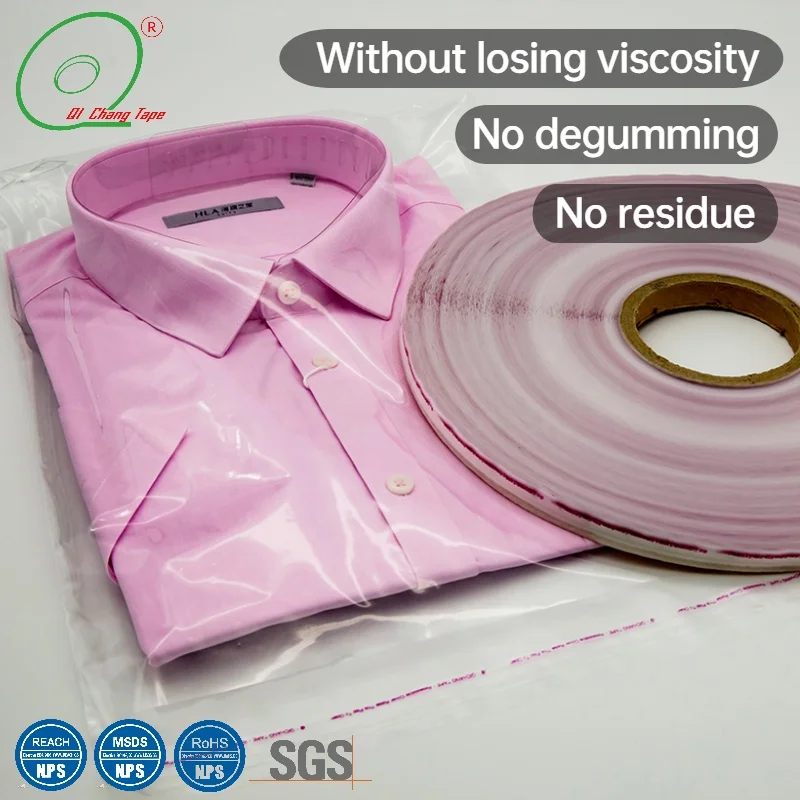
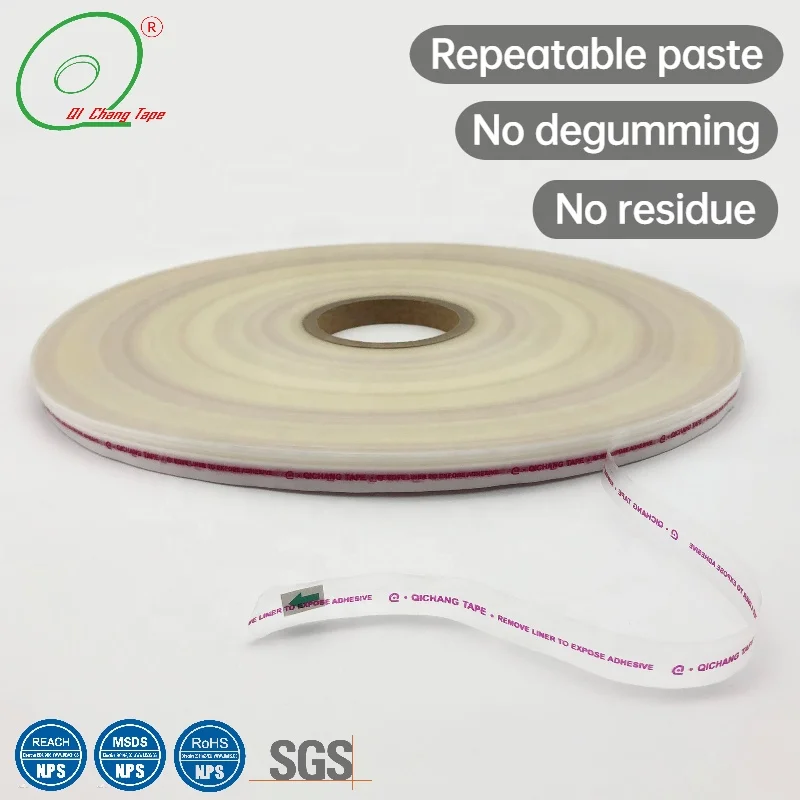
The silicone liner offers numerous practical benefits that make it an exceptional choice for protective applications across various industries. Durability stands as the most significant advantage, with the silicone liner demonstrating remarkable resistance to wear, tear, and environmental degradation. This exceptional durability translates directly into cost savings for users, as the silicone liner requires less frequent replacement compared to traditional protective materials. The flexible nature of the silicone liner allows it to conform to irregular surfaces and maintain its protective properties even when subjected to mechanical stress or movement. This flexibility prevents cracking and separation that commonly occurs with rigid protective coatings. Installation proves remarkably straightforward, as the silicone liner can be applied using standard tools and techniques without requiring specialized equipment or extensive training. The self-adhesive properties of many silicone liner variants eliminate the need for additional bonding agents, simplifying the installation process and reducing labor costs. Maintenance requirements remain minimal, with the silicone liner requiring only periodic cleaning to maintain optimal performance. The non-porous surface of the silicone liner resists dirt accumulation and bacterial growth, making it particularly valuable in hygienic environments. Environmental friendliness represents another key advantage, as the silicone liner contains no volatile organic compounds and remains stable without releasing harmful chemicals into the surrounding environment. The silicone liner maintains its appearance over extended periods, resisting discoloration and surface degradation that affects other protective materials. Customization options allow manufacturers to tailor the silicone liner to specific application requirements, including thickness variations, color options, and specialized surface textures. The silicone liner demonstrates excellent electrical insulation properties, making it suitable for applications requiring electrical isolation. Thermal conductivity can be modified through formulation adjustments, allowing the silicone liner to either insulate or conduct heat as needed for specific applications. The lightweight nature of the silicone liner reduces overall system weight, particularly important in aerospace and automotive applications where weight reduction directly impacts performance and fuel efficiency. Cost-effectiveness becomes apparent when considering the total lifecycle costs, as the initial investment in a quality silicone liner pays dividends through reduced maintenance, replacement, and downtime costs over the product's operational life.

Latest News

Why Is Adhesive Permanent Bag Sealing Tape Ideal for Secure Mailing Bags?

27

Nov

Why Is Adhesive Permanent Bag Sealing Tape Ideal for Secure Mailing Bags?

In today's fast-paced shipping and logistics industry, the security and integrity of packages during transit have become paramount concerns for businesses and consumers alike. One of the most critical components ensuring package safety is the sealing...
View More
How Does Permanent Bag Sealing Tape Improve Packaging Security?

19

Dec

How Does Permanent Bag Sealing Tape Improve Packaging Security?

In today's competitive marketplace, packaging security has become a critical concern for businesses across industries. From food manufacturers to pharmaceutical companies, organizations are constantly seeking reliable solutions to ensure their produc...
View More
What Are the Key Benefits of Using HDPE Reusable Sealing Tape?

24

Dec

What Are the Key Benefits of Using HDPE Reusable Sealing Tape?

In today's competitive packaging industry, businesses are constantly seeking innovative solutions that deliver both functionality and cost-effectiveness. One such breakthrough technology that has revolutionized how companies approach bag sealing is H...
View More
Why Should Businesses Invest in Custom Printed Resealable Tape for Branding?

06

Jan

Why Should Businesses Invest in Custom Printed Resealable Tape for Branding?

In today's competitive marketplace, businesses are constantly seeking innovative ways to differentiate themselves from competitors while maintaining operational efficiency. One often-overlooked branding opportunity lies in packaging solutions, partic...
View More

Get a Free Quote

Our representative will contact you soon.
Email
Name
Company Name
Message
0/1000

sillicone liner

Superior Chemical and Temperature Resistance

Superior Chemical and Temperature Resistance

The exceptional chemical and temperature resistance of the silicone liner sets it apart from conventional protective materials, making it the preferred choice for demanding industrial applications. This remarkable resistance stems from the unique molecular structure of silicone polymers, which feature strong silicon-oxygen bonds that remain stable under extreme conditions. The silicone liner maintains its protective properties when exposed to temperatures ranging from minus 65 degrees Celsius to plus 200 degrees Celsius, with specialized formulations capable of withstanding even higher temperatures up to 300 degrees Celsius for short-term exposure. This temperature stability ensures that the silicone liner continues to function effectively in applications involving thermal cycling, such as automotive engine components, industrial ovens, and aerospace systems. Chemical resistance proves equally impressive, with the silicone liner demonstrating immunity to acids, bases, alcohols, oils, and most organic solvents. This broad chemical compatibility makes the silicone liner invaluable in chemical processing facilities, laboratories, and manufacturing environments where exposure to aggressive chemicals occurs regularly. The silicone liner resists degradation from ozone, ultraviolet radiation, and oxygen, ensuring long-term performance in outdoor applications. Unlike rubber-based materials that become brittle and crack over time, the silicone liner maintains its flexibility and elasticity even after prolonged exposure to harsh environmental conditions. This stability translates into predictable performance characteristics that engineers can rely upon when designing systems and planning maintenance schedules. The silicone liner's resistance to hydrolysis means it performs consistently in humid environments and direct water contact situations. Testing protocols demonstrate that the silicone liner retains over 90 percent of its original properties after 10,000 hours of accelerated aging tests, proving its exceptional durability. Industries benefit significantly from this resistance profile, as it eliminates the need for frequent replacements and reduces system downtime. The silicone liner's ability to maintain its protective barrier under extreme conditions provides peace of mind for critical applications where failure is not an option.

Versatile Application Compatibility

Versatile Application Compatibility

The versatile application compatibility of the silicone liner makes it an invaluable solution across diverse industries and use cases, demonstrating remarkable adaptability to various substrates and environmental conditions. This versatility stems from the inherent properties of silicone materials and advanced manufacturing techniques that allow customization for specific applications. In the automotive industry, the silicone liner serves multiple functions including gasket replacement, vibration dampening, and corrosion protection for critical components. The silicone liner adheres effectively to metal, plastic, glass, and composite materials commonly found in automotive assemblies. Aerospace applications benefit from the silicone liner's lightweight properties and ability to maintain integrity at high altitudes where temperature and pressure variations are extreme. The silicone liner meets stringent aerospace specifications for flammability, outgassing, and toxicity, making it suitable for use in passenger compartments and critical flight systems. Medical device manufacturers rely on the biocompatible nature of the silicone liner for applications requiring direct or indirect contact with human tissue. The silicone liner complies with USP Class VI and ISO 10993 standards, ensuring safe use in medical applications ranging from surgical instruments to implantable devices. Food processing industries utilize the silicone liner for its FDA-approved formulations that prevent contamination while providing effective sealing and protection. The non-reactive nature of the silicone liner ensures that it does not impart taste, odor, or harmful substances to food products. Marine applications leverage the silicone liner's resistance to saltwater corrosion and UV degradation for boat hulls, deck hardware, and underwater equipment. The silicone liner maintains its adhesion and flexibility even when subjected to constant moisture and salt spray exposure. Electronics manufacturers employ the silicone liner for component protection, providing electrical insulation while allowing thermal dissipation. The silicone liner can be formulated with specific dielectric properties to meet the requirements of high-voltage applications. Construction applications benefit from the silicone liner's ability to provide weatherproofing and vapor barriers in building envelopes. The silicone liner adapts to structural movement and settling without compromising its protective seal.
Cost-Effective Long-Term Performance

Cost-Effective Long-Term Performance

The cost-effective long-term performance of the silicone liner represents a compelling value proposition that extends far beyond the initial purchase price, delivering substantial savings through reduced maintenance, extended service life, and improved system reliability. Economic analysis reveals that while the upfront cost of the silicone liner may exceed that of traditional protective materials, the total cost of ownership proves significantly lower due to its exceptional durability and minimal maintenance requirements. The silicone liner typically provides service life spans of 10 to 20 years or more, depending on the application, compared to alternative materials that may require replacement every 2 to 5 years. This extended service life reduces the frequency of maintenance shutdowns, minimizing production interruptions and associated costs. Labor savings become apparent during both installation and maintenance phases, as the silicone liner installs easily using standard tools and techniques without requiring specialized training or equipment. The self-adhesive properties of many silicone liner formulations eliminate the need for additional bonding agents, reducing material costs and simplifying the installation process. Maintenance costs decrease substantially because the silicone liner resists common failure modes such as cracking, peeling, and chemical degradation that plague other protective materials. The non-porous surface of the silicone liner prevents the accumulation of contaminants and facilitates easy cleaning, reducing the time and resources required for routine maintenance. Energy efficiency improvements often result from the thermal properties of the silicone liner, which can provide insulation or thermal conduction as needed for specific applications. In HVAC systems, the silicone liner helps maintain temperature control, reducing energy consumption and operating costs. The predictable performance characteristics of the silicone liner enable more accurate maintenance planning and inventory management, reducing emergency repair costs and spare parts inventory requirements. Quality control benefits emerge from the consistent properties of the silicone liner, which help maintain product quality and reduce waste in manufacturing processes. Insurance and liability costs may decrease when using the silicone liner in critical applications, as its proven reliability reduces the risk of system failures and associated claims. Return on investment calculations consistently demonstrate positive outcomes within the first few years of silicone liner implementation, with continued benefits accruing throughout its extended service life.
Inquiry Inquiry Email Email Whatsapp Whatsapp TopTop

Get a Free Quote

Our representative will contact you soon.
Email
Name
Company Name
Message
0/1000