
 EN
EN
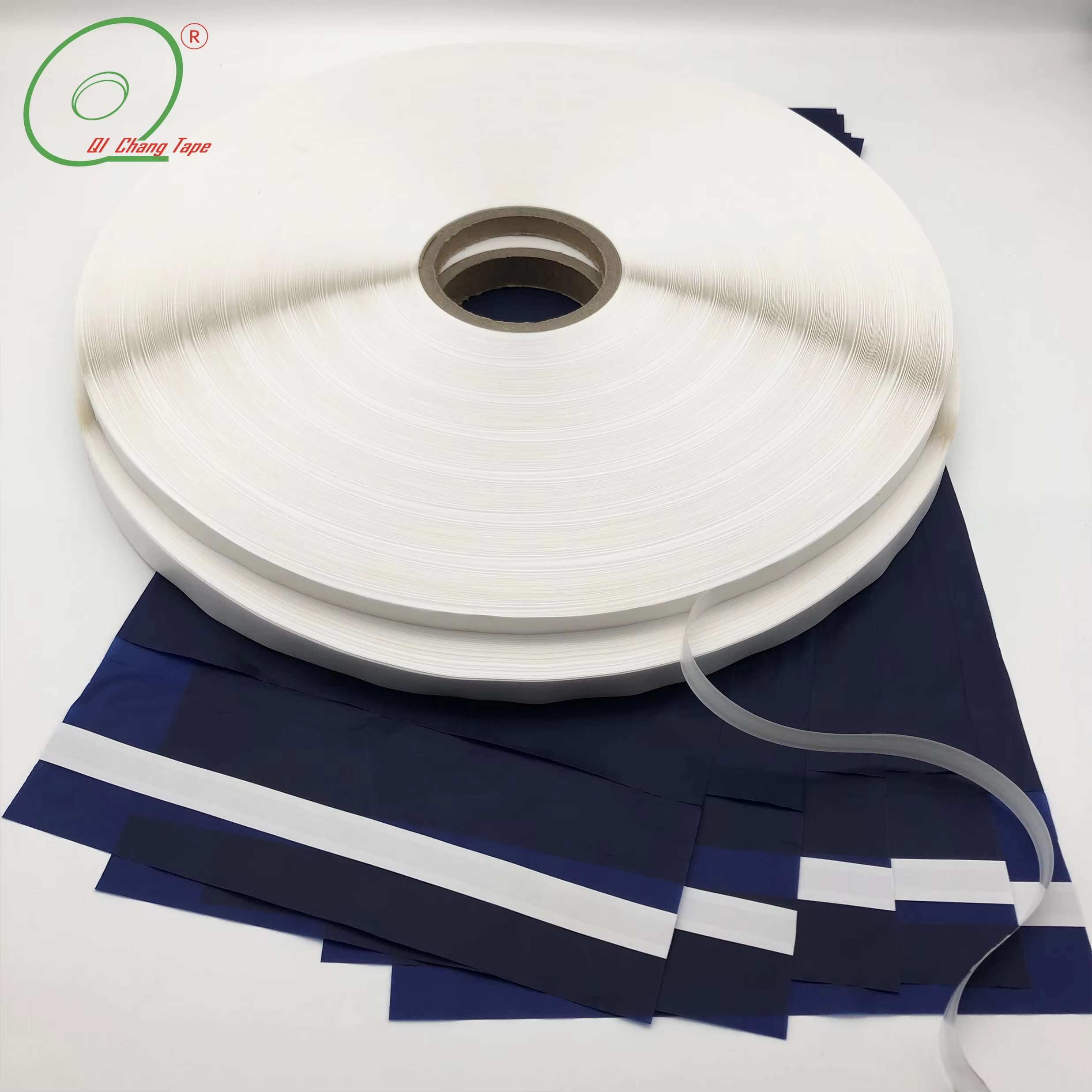
In the world of packaging and logistics, selecting the appropriate sealing method is crucial for product integrity and supply chain efficiency. Many businesses struggle to determine which packaging applications truly require permanent bag sealing tape versus temporary or removable alternatives. Understanding these distinctions can significantly impact product protection, tamper evidence, and operational costs throughout the distribution process.
The decision to use permanent bag sealing tape depends on specific packaging requirements, product characteristics, and intended end-use scenarios. Different industries have varying needs for seal permanence, ranging from high-security applications to moisture-sensitive product protection. By examining the key factors that drive these requirements, packaging professionals can make informed decisions about when permanent sealing solutions are necessary and which packaging types benefit most from this approach.
Critical Packaging Applications Requiring Permanent Sealing
High-Value Product Protection
Electronics, pharmaceuticals, and luxury goods packaging often demand permanent bag sealing tape to prevent unauthorized access and tampering. These products require sealing solutions that cannot be removed without visible evidence of interference. Permanent sealing tape creates a strong bond that tears or damages the packaging material when removal is attempted, providing clear indication of tampering attempts.
The adhesive formulation in permanent bag sealing tape is specifically designed to create molecular bonds with packaging substrates that strengthen over time. This characteristic makes it ideal for products that may sit in warehouses or retail environments for extended periods before reaching end consumers. The permanent nature ensures that product integrity remains intact throughout extended storage and distribution cycles.
Security-sensitive packaging applications benefit from the irreversible nature of permanent sealing. Once applied, the tape cannot be cleanly removed and reapplied, making it an effective deterrent against package manipulation. This feature is particularly valuable for products where authenticity verification is critical to brand protection and consumer safety.
Moisture and Environmental Barrier Requirements
Food packaging, chemical products, and moisture-sensitive materials often require permanent bag sealing tape to create reliable environmental barriers. These applications demand sealing solutions that maintain their integrity under temperature fluctuations, humidity changes, and extended exposure to various environmental conditions. Permanent sealing provides the durability needed for long-term protection.
Industrial chemicals and hazardous materials packaging requires permanent sealing to prevent leakage and contamination. The strong adhesive bond created by permanent bag sealing tape helps maintain package integrity even when subjected to mechanical stress during handling and transportation. This reliability is essential for maintaining safety standards and regulatory compliance in chemical packaging applications.
Agricultural and seed packaging applications benefit from permanent sealing tape because of the need to maintain precise moisture levels and prevent contamination. Seeds and agricultural products can lose viability if exposed to moisture or air infiltration, making permanent sealing crucial for preserving product quality and ensuring successful crop outcomes for end users.
Industry-Specific Permanent Sealing Requirements
Medical and Pharmaceutical Packaging
Pharmaceutical packaging requires permanent bag sealing tape to meet strict regulatory standards for product integrity and patient safety. Medical devices, prescription medications, and diagnostic supplies must be sealed in a manner that prevents contamination and provides clear evidence of tampering. The permanent nature of these seals is often mandated by regulatory bodies to ensure patient safety and product efficacy.
Sterile medical packaging applications demand permanent sealing solutions that maintain sterility barriers throughout the product lifecycle. The adhesive chemistry in permanent bag sealing tape is formulated to be compatible with sterilization processes while maintaining bond strength. This compatibility ensures that medical products remain sterile from manufacturing through patient use.
Clinical trial packaging and controlled substance packaging require permanent sealing tape to maintain chain of custody and prevent unauthorized access. These applications often involve additional security features integrated with permanent sealing solutions to track and monitor package integrity throughout distribution and storage.
Food and Beverage Industry Applications
Food packaging applications requiring extended shelf life depend on permanent bag sealing tape to maintain freshness and prevent spoilage. Frozen foods, dried goods, and processed foods benefit from permanent sealing that maintains package integrity under varying temperature conditions. The permanent seal prevents air infiltration that can lead to oxidation and quality degradation.
Organic and premium food products often utilize permanent sealing to maintain product authenticity and prevent adulteration. The inability to remove and reapply permanent sealing tape provides assurance to consumers that products have not been tampered with or contaminated during distribution. This trust factor is particularly important for premium food brands and organic certifications.
Export food packaging requires permanent sealing solutions that can withstand long shipping times and varying environmental conditions. International shipping exposes packages to temperature extremes, humidity fluctuations, and extended handling that can compromise less permanent sealing methods. Permanent bag sealing tape provides the durability needed for successful international food distribution.
Technical Considerations for Permanent Sealing Selection
Substrate Compatibility and Adhesion Requirements
Different packaging materials require specific adhesive formulations to achieve proper permanent bonding. Polyethylene, polypropylene, and paper substrates each present unique surface energy characteristics that influence adhesive performance. Permanent bag sealing tape must be selected based on the specific substrate properties to ensure optimal bond strength and longevity.
Low surface energy substrates like polyethylene require specially formulated adhesives that can create strong bonds despite the challenging surface characteristics. These adhesive systems often incorporate chemical primers or surface treatment compatibility to achieve the permanent bonding required for secure package sealing. Understanding substrate compatibility is crucial for successful permanent sealing applications.
Multi-layer packaging structures present additional challenges for permanent sealing tape selection. The adhesive must bond effectively to the outermost layer while considering the potential for delamination within the packaging structure itself. Proper testing and validation ensure that permanent sealing performs as intended across various packaging substrate combinations.
Environmental Performance and Durability Factors
Temperature resistance requirements significantly influence the selection of permanent bag sealing tape for specific packaging applications. Cold storage environments, heated storage areas, and transportation through various climate zones all place different demands on sealing performance. Permanent sealing solutions must maintain their bond strength and integrity across the expected temperature range for each application.
UV resistance becomes critical for packaging that may be exposed to sunlight during storage or transportation. Permanent bag sealing tape formulations include UV stabilizers and protective additives that prevent degradation from light exposure. This protection ensures that the permanent seal maintains its integrity even when packages are stored in areas with natural or artificial light exposure.
Chemical resistance requirements vary based on the products being packaged and the environments they will encounter. Permanent sealing tape must resist degradation from contact with product chemicals, cleaning agents, and environmental contaminants. This resistance is particularly important for industrial and chemical packaging applications where exposure to aggressive substances is likely.
Implementation Guidelines and Best Practices
Application Technique and Quality Control
Proper application technique is essential for achieving the full performance potential of permanent bag sealing tape. Surface preparation, application pressure, and temperature conditions during application all influence the final bond strength and permanence. Training packaging personnel on correct application procedures ensures consistent results and optimal sealing performance.
Quality control testing should include bond strength evaluation, seal integrity assessment, and tamper evidence verification. These tests help validate that permanent bag sealing tape is performing as intended for specific packaging applications. Regular testing protocols ensure that sealing quality remains consistent throughout production runs and across different batch variations.
Environmental conditioning tests simulate real-world storage and transportation conditions to verify permanent sealing performance. These tests expose sealed packages to temperature cycling, humidity exposure, and mechanical stress to ensure that the permanent seal maintains its integrity under expected use conditions. Such testing is particularly important for packaging that will encounter challenging environmental conditions.
Cost-Benefit Analysis and Selection Criteria
The higher initial cost of permanent bag sealing tape is often justified by reduced product loss, improved security, and enhanced brand protection. Calculating the total cost of ownership includes factors such as product protection value, tamper prevention benefits, and reduced quality claims from customers. These broader economic considerations often support the use of permanent sealing solutions despite higher material costs.
Regulatory compliance costs can be significantly reduced through the use of permanent sealing tape in applications where tamper evidence is required. The permanent nature of these seals helps meet regulatory requirements without additional security features or complex packaging designs. This simplification can reduce overall packaging costs while ensuring compliance with industry standards.
Brand protection benefits from permanent sealing extend beyond immediate product security to include long-term reputation management and customer trust. The investment in permanent bag sealing tape can prevent costly product recalls, quality issues, and brand damage that result from package tampering or compromise. These protective benefits often justify the premium cost of permanent sealing solutions.
FAQ
What makes permanent bag sealing tape different from removable sealing options?
Permanent bag sealing tape uses aggressive adhesive formulations that create irreversible bonds with packaging substrates. Unlike removable options, permanent sealing tape cannot be cleanly removed without damaging the packaging material or leaving clear evidence of tampering. This permanence provides superior security and tamper evidence for sensitive applications.
Can permanent bag sealing tape be used on all types of packaging materials?
While permanent bag sealing tape can bond to most common packaging materials, optimal performance requires matching the adhesive formulation to specific substrate characteristics. Materials like low-energy polyethylene may require specially formulated adhesives, while paper and film substrates typically bond well with standard permanent formulations. Compatibility testing is recommended for critical applications.
How long does permanent bag sealing tape maintain its bond strength?
High-quality permanent bag sealing tape maintains its bond strength for several years under proper storage conditions. The adhesive actually strengthens over time through continued molecular bonding with the substrate. Environmental factors like extreme temperatures, UV exposure, and chemical contact can affect longevity, making proper tape selection important for specific application requirements.
Is permanent bag sealing tape suitable for food packaging applications?
Yes, permanent bag sealing tape designed for food packaging applications meets FDA requirements for food contact and safety. These tapes use food-safe adhesives and backing materials that do not migrate into food products. They provide excellent barrier properties for maintaining food freshness while ensuring package integrity throughout the distribution chain.