
 EN
EN
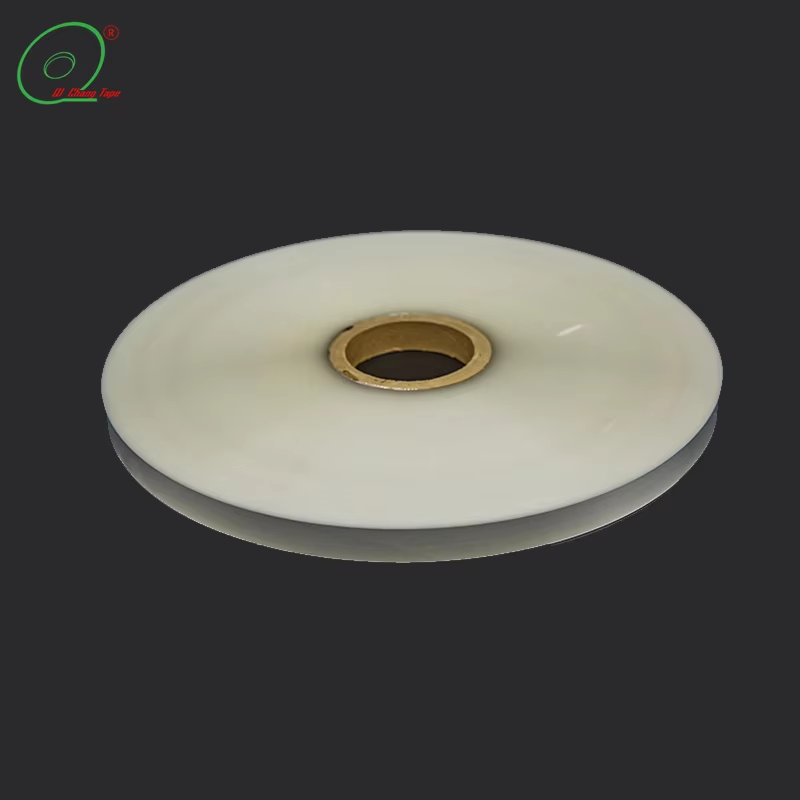
The packaging industry has evolved dramatically over the past decade, with businesses seeking more reliable and efficient solutions to protect their products during transportation and storage. Among the most versatile protective materials available today, silicone release liner for packaging stands out as an essential component for numerous commercial applications. This specialized material offers unique properties that make it indispensable for businesses requiring precise adhesive control and superior surface protection. Understanding the various applications and benefits of this technology can help companies optimize their packaging strategies and reduce operational costs.
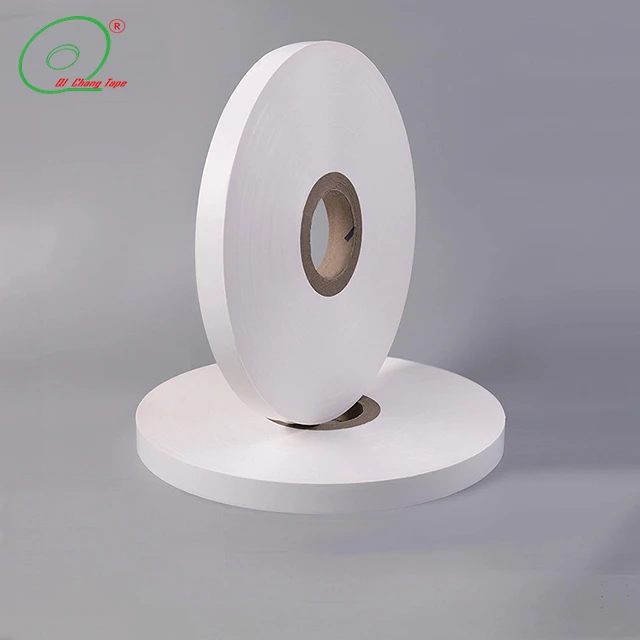
Understanding Silicone Release Liner Technology
Material Composition and Properties
Silicone release liners are engineered materials consisting of a base substrate coated with silicone polymer compounds that create a non-stick surface. The substrate materials commonly include polyethylene, polypropylene, or paper, each offering distinct advantages depending on the specific application requirements. The silicone coating provides controlled release properties, ensuring that adhesive materials can be easily separated when needed while maintaining their bonding strength for the intended application. This unique combination makes silicone release liner for packaging an ideal choice for protecting adhesive surfaces during storage and transportation.
The manufacturing process involves applying silicone compounds through various coating techniques, including solvent-based and solventless systems. Modern production methods ensure consistent coating thickness and uniform release properties across the entire liner surface. Temperature resistance, chemical stability, and dimensional stability are key characteristics that make these materials suitable for demanding industrial applications. The silicone coating can be customized to achieve different release levels, from light release for temporary protection to heavy release for permanent separation applications.
Quality Standards and Certifications
Industrial-grade silicone release liner for packaging must meet stringent quality standards to ensure consistent performance in commercial applications. International standards such as ISO 9001 and specific packaging industry certifications govern the production and testing of these materials. Quality control measures include adhesion testing, release value measurements, and aging studies to verify long-term performance stability. These rigorous testing protocols ensure that the liners maintain their protective properties throughout their intended service life.
Manufacturers typically conduct extensive compatibility testing with various adhesive systems to guarantee optimal performance in diverse applications. Environmental testing simulates real-world conditions including temperature fluctuations, humidity exposure, and UV radiation to validate material durability. Documentation and traceability requirements ensure that each batch of silicone release liner meets the specified performance criteria, providing customers with reliable and predictable results in their packaging applications.
Electronics and Technology Packaging
Semiconductor Industry Applications
The semiconductor industry relies heavily on precision packaging solutions to protect sensitive electronic components during manufacturing and distribution processes. Silicone release liner for packaging plays a crucial role in die-attach applications, where it serves as a temporary carrier for semiconductor dies during assembly operations. The liner's ability to provide clean release without leaving residue is essential for maintaining the integrity of electronic components. Advanced silicone formulations offer anti-static properties that prevent electrostatic discharge damage to sensitive circuits.
Clean room compatibility is another critical requirement in semiconductor packaging applications. Silicone release liners designed for this industry undergo specialized cleaning processes and are manufactured in controlled environments to minimize particulate contamination. The materials must withstand various processing temperatures while maintaining their release properties and dimensional stability. These stringent requirements make high-quality silicone release liner for packaging indispensable for semiconductor manufacturers seeking to maintain product quality and yield rates.
Consumer Electronics Protection
Consumer electronics manufacturers utilize silicone release liners in various packaging applications, from protecting adhesive strips on mobile device assemblies to serving as backing materials for flexible circuit boards. The growing trend toward miniaturization in electronics has increased the demand for thinner and more precise release liners that can accommodate tight tolerance requirements. These materials enable manufacturers to apply adhesives with exceptional accuracy while ensuring easy removal during assembly processes.
Touch screen manufacturing represents another significant application area where silicone release liner for packaging provides essential protection for optical adhesives. The clarity and surface quality of these liners directly impact the final product performance, making material selection critical for manufacturers. Advanced formulations offer excellent optical properties while maintaining the necessary release characteristics for efficient production processes. The ability to customize surface textures and release properties allows electronics manufacturers to optimize their assembly processes and improve overall product quality.
Medical Device and Healthcare Packaging
Sterile Medical Device Protection
Medical device manufacturers face unique challenges in packaging products that must maintain sterility while remaining easily accessible to healthcare professionals. Silicone release liner for packaging addresses these challenges by providing reliable protection for medical adhesives used in wound care products, surgical tapes, and transdermal drug delivery systems. The biocompatible nature of medical-grade silicone formulations ensures patient safety while delivering consistent performance in critical healthcare applications.
Sterilization compatibility is a fundamental requirement for medical packaging materials, and specialized silicone release liners are designed to withstand gamma radiation, electron beam sterilization, and ethylene oxide treatments without degrading their performance properties. These materials must maintain their release characteristics and physical integrity throughout the sterilization process while providing reliable protection for sensitive medical adhesives. Regulatory compliance with FDA and international medical device standards ensures that these materials meet the highest safety and performance requirements.
Pharmaceutical Packaging Solutions
The pharmaceutical industry utilizes silicone release liner for packaging in various drug delivery applications, including transdermal patches, oral thin films, and adhesive-backed medical devices. These applications require precise control over adhesive release properties to ensure proper drug delivery rates and patient comfort. The chemical inertness of silicone coatings prevents interaction with pharmaceutical compounds, maintaining drug stability and efficacy throughout the product shelf life.
Packaging validation studies for pharmaceutical applications involve extensive testing to verify material compatibility with active drug ingredients and excipients. Temperature and humidity stability testing ensures that the release liner maintains its protective properties under various storage conditions commonly encountered in pharmaceutical supply chains. Extractable and leachable studies confirm that the silicone release liner for packaging does not introduce harmful substances that could compromise drug safety or efficacy, making these materials essential for pharmaceutical manufacturers seeking regulatory approval.
Automotive and Transportation Applications
Automotive Interior Components
The automotive industry has embraced silicone release liner technology for various interior component applications, including foam padding adhesives, decorative trim attachments, and sound dampening materials. These applications require materials that can withstand extreme temperature variations, from hot summer conditions to freezing winter temperatures, while maintaining consistent release properties. Automotive-grade silicone release liner for packaging provides the durability and reliability necessary for components that must perform throughout the vehicle's service life.
Manufacturing efficiency is a critical consideration in automotive production, where rapid assembly processes demand materials that enable quick and reliable component installation. Silicone release liners facilitate automated assembly operations by ensuring consistent adhesive performance and eliminating production delays caused by material handling issues. The ability to die-cut these materials into complex shapes allows automotive manufacturers to optimize their production processes while maintaining high quality standards. Environmental resistance properties ensure that these materials perform reliably in various climate conditions encountered during vehicle operation.
Transportation Packaging Requirements
Transportation and logistics companies rely on protective packaging solutions to ensure product integrity during shipping and handling operations. Silicone release liner for packaging serves as a protective backing for various shipping labels, security tapes, and protective films used in transportation applications. The material's resistance to temperature fluctuations and humidity changes makes it suitable for international shipping where packages may encounter diverse environmental conditions.
Tracking and identification systems in modern logistics operations often incorporate adhesive-backed components that require reliable release liner protection. These applications demand materials that maintain their protective properties throughout extended storage periods while ensuring easy removal when needed. The compatibility of silicone release liners with various printing technologies enables the integration of tracking information and handling instructions directly onto the packaging materials, streamlining logistics operations and improving supply chain efficiency.
Industrial Manufacturing and Construction
Composite Material Production
Composite material manufacturing processes frequently utilize silicone release liner for packaging as a non-stick surface during curing operations. These applications require materials that can withstand elevated temperatures and pressures while providing clean release from cured composite parts. The chemical resistance of silicone coatings ensures compatibility with various resin systems and curing agents commonly used in composite production. Advanced formulations offer extended service life in high-temperature applications, reducing material consumption and production costs.
Aerospace composite manufacturing represents a particularly demanding application where silicone release liners must meet strict quality and performance standards. These materials undergo rigorous testing to verify their compatibility with aerospace-grade resins and their ability to maintain surface quality throughout multiple use cycles. The dimensional stability of high-performance silicone release liner for packaging ensures accurate part geometry and surface finish, critical factors in aerospace component manufacturing where precision and reliability are paramount.
Construction Industry Applications
Construction applications for silicone release liners include protection for structural adhesives, weatherproofing tapes, and membrane systems used in building construction. These materials must withstand outdoor exposure conditions including UV radiation, temperature extremes, and moisture while maintaining their protective properties. Construction-grade formulations incorporate UV-stable silicone compounds that resist degradation under prolonged sunlight exposure, ensuring reliable performance in demanding construction environments.
Installation efficiency is crucial in construction applications where weather conditions and project schedules create time constraints for material application. Silicone release liner for packaging enables contractors to pre-position adhesive materials and remove protection when optimal installation conditions are achieved. The tear resistance and handling durability of these materials prevent damage during transportation and installation, reducing waste and improving overall project efficiency. Compatibility with various construction adhesives and sealants ensures versatile application across different building systems and materials.
Food and Beverage Industry Solutions
Food Contact Packaging Applications
Food industry applications require specialized silicone release liner for packaging that meets stringent food contact regulations while providing reliable protection for packaging adhesives. FDA-approved formulations ensure food safety compliance while delivering consistent performance in food packaging operations. These materials must withstand various processing conditions including pasteurization temperatures and freezing applications without compromising their release properties or introducing contaminants into food products.
Modified atmosphere packaging and vacuum packaging applications utilize silicone release liners to protect sealing adhesives and maintain package integrity during storage and distribution. The low extractable content of food-grade silicone formulations prevents flavor and odor transfer that could compromise product quality. Temperature stability ensures reliable performance across the entire cold chain from production facilities to retail environments, making these materials essential for food manufacturers seeking to maintain product freshness and safety.
Beverage Industry Requirements
Beverage packaging applications present unique challenges including exposure to moisture, carbonation pressure, and various beverage chemistries that could interact with packaging materials. Silicone release liner for packaging designed for beverage applications incorporates barrier properties that prevent moisture transmission while maintaining chemical compatibility with different beverage formulations. These specialized materials enable the use of pressure-sensitive labels and promotional materials that require reliable adhesive protection during storage and application.
High-speed bottling and canning operations demand materials that can withstand mechanical stress and rapid processing speeds without compromising performance. Silicone release liners optimized for beverage applications offer enhanced tear resistance and dimensional stability to prevent production line disruptions. The ability to customize release properties allows beverage manufacturers to optimize label application processes while ensuring consistent quality across high-volume production runs. Environmental resistance properties ensure reliable performance in various storage and distribution environments commonly encountered in the beverage industry.
Future Trends and Innovations
Sustainable Material Development
Environmental sustainability has become a driving force in packaging material development, with manufacturers developing bio-based and recyclable silicone release liner for packaging solutions. These innovative materials maintain the performance characteristics required for industrial applications while reducing environmental impact through improved end-of-life management options. Advanced recycling technologies enable the recovery and reuse of silicone materials, contributing to circular economy initiatives in various industries.
Renewable feedstock utilization in silicone production represents a significant advancement in sustainable material development. These eco-friendly formulations offer comparable performance to traditional materials while reducing dependence on petroleum-based raw materials. Life cycle assessment studies demonstrate the environmental benefits of these sustainable alternatives, supporting corporate sustainability goals and regulatory compliance requirements. The adoption of sustainable silicone release liner for packaging solutions enables companies to reduce their environmental footprint while maintaining operational efficiency.
Advanced Manufacturing Technologies
Digital printing and coating technologies are revolutionizing the production of customized silicone release liners with variable release properties and integrated functional features. These advanced manufacturing processes enable the production of materials with gradient release characteristics and localized property modifications to meet specific application requirements. Smart coating technologies incorporate sensors and indicators that provide real-time feedback on material condition and performance, enhancing quality control and predictive maintenance capabilities.
Nanotechnology applications in silicone release liner for packaging development offer enhanced barrier properties, improved surface characteristics, and extended service life compared to conventional materials. These advanced formulations incorporate nanoparticles that modify surface energy and chemical resistance while maintaining the fundamental release properties required for packaging applications. Continuous innovation in material science and manufacturing processes ensures that silicone release liners will continue to meet the evolving needs of modern packaging applications across diverse industrial sectors.
FAQ
What factors should be considered when selecting silicone release liner for specific packaging applications
Selection of appropriate silicone release liner for packaging requires evaluation of several critical factors including operating temperature range, chemical compatibility with adhesive systems, required release force levels, and substrate material properties. Environmental conditions such as humidity, UV exposure, and storage duration significantly impact material performance and must be considered during selection. Additionally, regulatory requirements for specific industries such as food contact or medical device applications may dictate the use of specialized grades with appropriate certifications and compliance documentation.
How does silicone release liner performance compare to alternative release technologies
Silicone release liner for packaging offers superior temperature stability, chemical resistance, and release consistency compared to alternative technologies such as fluoropolymer or wax-based release systems. While alternative materials may provide cost advantages in certain applications, silicone-based systems typically deliver better long-term performance and reliability in demanding industrial environments. The versatility of silicone chemistry enables customization of release properties to match specific application requirements, providing greater flexibility than many alternative technologies that offer limited adjustment options.
What quality control measures ensure consistent performance in industrial packaging applications
Comprehensive quality control programs for silicone release liner for packaging include incoming raw material testing, in-process monitoring of coating thickness and uniformity, and finished product evaluation of release properties and physical characteristics. Statistical process control methods track performance variations and enable proactive adjustments to maintain consistent quality. Regular compatibility testing with customer adhesive systems ensures continued performance validation, while environmental stability testing verifies material performance under various storage and application conditions commonly encountered in industrial packaging operations.
How do recent innovations in silicone release liner technology benefit packaging operations
Recent innovations in silicone release liner for packaging technology include enhanced thermal stability formulations that enable processing at higher temperatures, improved surface treatments that provide better printability and handling characteristics, and sustainable formulations that reduce environmental impact without compromising performance. Advanced manufacturing processes enable the production of thinner materials with improved conformability and cost-effectiveness, while smart material technologies incorporate monitoring capabilities that provide real-time feedback on material condition and performance throughout the packaging process.
Table of Contents
- Understanding Silicone Release Liner Technology
- Electronics and Technology Packaging
- Medical Device and Healthcare Packaging
- Automotive and Transportation Applications
- Industrial Manufacturing and Construction
- Food and Beverage Industry Solutions
- Future Trends and Innovations
-
FAQ
- What factors should be considered when selecting silicone release liner for specific packaging applications
- How does silicone release liner performance compare to alternative release technologies
- What quality control measures ensure consistent performance in industrial packaging applications
- How do recent innovations in silicone release liner technology benefit packaging operations