
 EN
EN
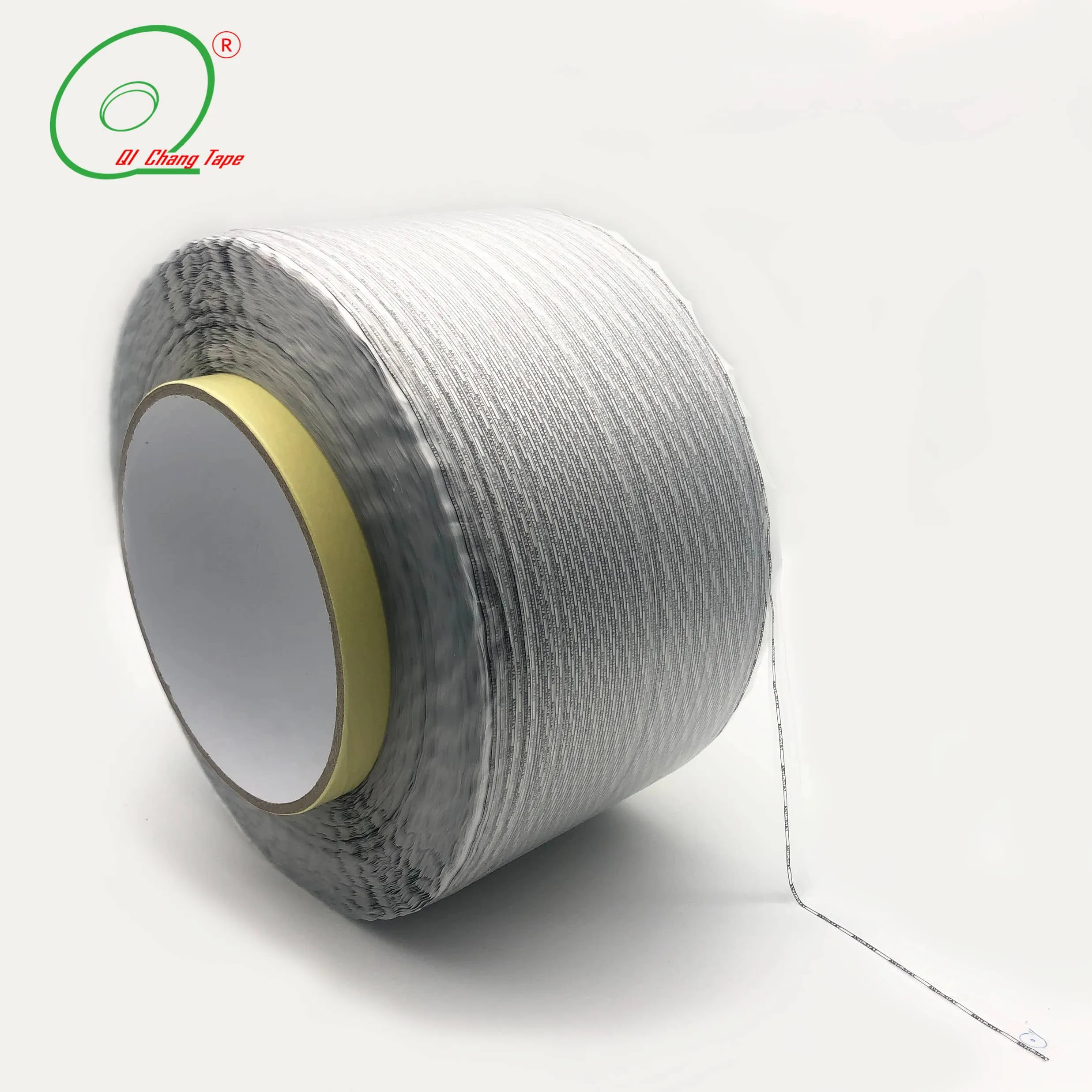
Selecting the right packaging design for use with resealable bag sealing tape requires careful consideration of material compatibility, closure mechanisms, and intended application scenarios. The effectiveness of resealable bag sealing tape depends heavily on how well it integrates with specific packaging formats, surface textures, and seal configurations. Understanding which designs maximize the performance characteristics of resealable sealing solutions helps manufacturers and packagers achieve optimal closure reliability while maintaining user convenience.
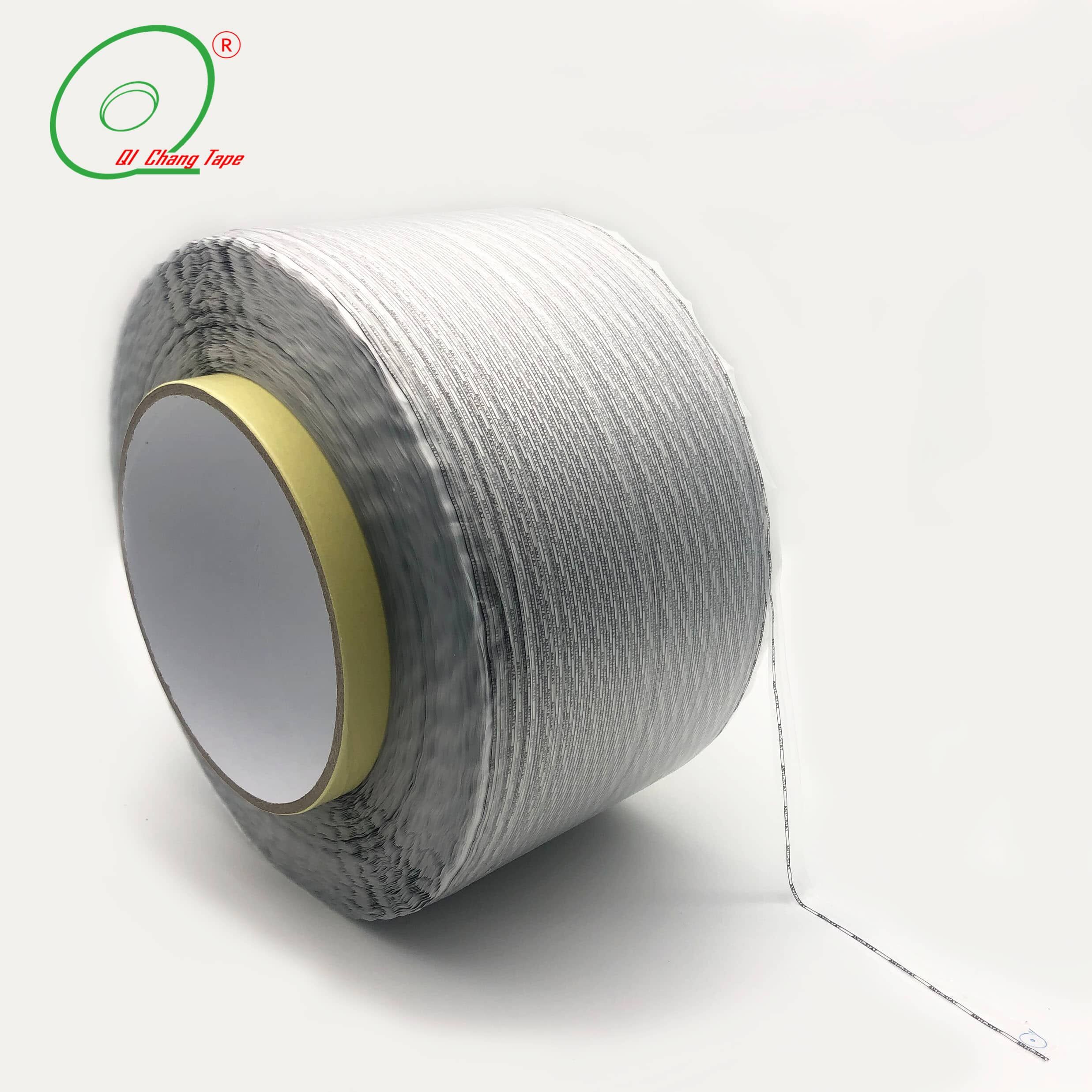
The compatibility between packaging design and resealable bag sealing tape determines both initial seal strength and long-term reseal performance. Different bag configurations present unique challenges for tape application, adhesion quality, and user accessibility. Identifying design features that complement the mechanical properties of resealable sealing tape enables packaging engineers to create solutions that balance product protection, operational efficiency, and consumer satisfaction across various market segments.
Flat Pouch Designs and Tape Integration
Single-Layer Flat Pouches
Single-layer flat pouches represent one of the most straightforward applications for resealable bag sealing tape, offering clean surface contact and predictable adhesion patterns. These designs typically feature smooth polyethylene or polypropylene surfaces that provide consistent tape bonding without interference from complex geometries or multi-material constructions. The flat configuration allows for even pressure distribution during tape application, ensuring complete contact between the adhesive and substrate.
The success of resealable bag sealing tape on single-layer pouches depends on proper surface preparation and tape positioning relative to the original heat seal. Optimal results occur when the tape spans the entire width of the pouch opening, extending slightly beyond the sealed edges to create effective corner sealing. This configuration prevents edge lifting and maintains seal integrity under normal handling conditions.
Material thickness plays a crucial role in determining tape performance on flat pouches. Thinner films may require specialized low-tack adhesive formulations to prevent delamination during opening, while thicker substrates benefit from higher-strength adhesives that accommodate the increased rigidity. The tape selection must account for the substrate's flexibility characteristics to maintain reseal functionality throughout the product's shelf life.
Multi-Layer Laminated Pouches
Multi-layer laminated pouches present additional complexity for resealable bag sealing tape applications due to varying surface energies and potential delamination risks at layer interfaces. The outer layer material determines primary adhesion characteristics, but the underlying structure affects long-term bond stability and peel behavior. Successful integration requires careful evaluation of the complete laminate construction rather than surface properties alone.
Barrier layer positioning within the laminate structure influences how resealable bag sealing tape interacts with the package during opening and resealing cycles. Aluminum foil barriers, for example, can create stress concentration points that affect tape peel characteristics, while plastic barrier layers typically offer more forgiving performance. The adhesive chemistry must be matched to the specific surface composition to achieve reliable bonding without compromising barrier integrity.
Edge treatment becomes particularly important with laminated structures, as delamination can propagate from tape application points if proper precautions are not taken. Controlled peel strength ensures that the tape removes cleanly from the desired layer without causing structural damage to the laminate. This consideration is essential for maintaining product quality and preventing contamination issues during repeated opening cycles.
Stand-Up Pouch Configurations
Bottom Gusset Stand-Up Pouches
Bottom gusset stand-up pouches require specialized consideration for resealable bag sealing tape placement due to their three-dimensional structure and variable stress distribution patterns. The curved transition areas where the gusset meets the front and back panels create challenges for achieving uniform tape contact and consistent peel performance. Proper tape positioning must account for these geometric constraints while maintaining accessibility for end users.
The standing orientation of these pouches affects how forces are transmitted through the resealable closure during handling and storage. Gravity loads and product settling can create uneven pressure distributions along the tape seal, potentially leading to localized failure points. Design modifications such as reinforced tape zones or graduated adhesive strength can help accommodate these dynamic loading conditions.
Corner management becomes critical in bottom gusset applications, as the intersection of multiple material layers creates potential leak paths if not properly sealed. Resealable bag sealing tape must extend into corner areas with sufficient overlap to maintain effective closure, but excessive material can interfere with the pouch's ability to stand properly. Balancing these competing requirements requires careful optimization of tape width and positioning.
Side Gusset Stand-Up Pouches
Side gusset configurations offer advantages for resealable bag sealing tape integration by providing more uniform surface geometry along the closure area. The expanded volume created by side gusseting distributes internal pressure more evenly across the tape seal, reducing stress concentrations that can lead to premature failure. This design approach often results in improved reseal performance and extended closure life.
The positioning of side gussets affects the accessibility and ergonomics of the resealable closure for end users. Optimal tape placement considers both the mechanical requirements for effective sealing and the practical aspects of consumer interaction. Wide gussets may require longer tape strips to maintain closure integrity, while narrow gussets can concentrate stress in ways that affect long-term performance.
Material flow characteristics during pouch filling can influence how resealable bag sealing tape performs in side gusset applications. Products that create internal pressure variations may cause the gusset to expand unevenly, potentially affecting tape adhesion in localized areas. Understanding these dynamic effects helps in selecting appropriate tape specifications and application methods for specific product categories.
Zipper-Style and Strip Seal Designs
Pre-Applied Zipper Integration
Combining pre-applied zipper closures with resealable bag sealing tape creates hybrid sealing systems that offer enhanced security and tamper evidence. The tape serves as a primary seal that must be removed to access the underlying zipper mechanism, providing clear indication of first opening while maintaining convenient reseal capability. This configuration requires careful coordination between the tape and zipper specifications to ensure compatibility.
The positioning of resealable bag sealing tape relative to zipper tracks affects both the initial seal strength and the ease of tape removal during first opening. Tape placement too close to the zipper can interfere with proper track alignment, while positioning too far away may compromise seal effectiveness. Optimal integration typically involves spanning the tape across the zipper area with sufficient clearance to allow normal zipper operation once the tape is removed.
Adhesive selection for zipper integration applications must consider the potential for tape residue to interfere with zipper functionality. Low-residue formulations help ensure that tape removal does not compromise the subsequent performance of the zipper closure. Additionally, the peel characteristics should be optimized to provide clear tactile feedback that the primary seal has been broken.
Strip Seal Applications
Strip seal designs using resealable bag sealing tape offer simplified closure solutions for applications where multiple opening and closing cycles are expected. These configurations typically feature continuous tape strips that span the entire opening width, providing uniform closure pressure and consistent seal performance. The absence of complex mechanical elements reduces manufacturing costs while maintaining reliable reseal capability.
The width and thickness of strip seals must be optimized for the specific application requirements and user demographics. Wider strips generally provide better seal integrity and easier handling, but may increase material costs and storage requirements. Thinner tapes offer more precise application control but may require enhanced adhesive performance to achieve equivalent closure strength.
Edge finishing becomes particularly important in strip seal applications, as exposed tape edges can become collection points for contamination or provide failure initiation sites. Proper edge treatment through trimming, sealing, or protective coatings helps maintain long-term performance and prevents degradation during storage and handling. The design should also consider how edge conditions affect the visual appearance and consumer perception of product quality.
Material Compatibility and Surface Preparation
Polyethylene Substrate Optimization
Polyethylene substrates represent the most common application surface for resealable bag sealing tape, but their low surface energy characteristics require careful consideration of adhesive chemistry and surface preparation methods. Different polyethylene grades exhibit varying degrees of crystallinity and surface texture that directly affect tape bonding performance. Understanding these material properties enables better matching of tape specifications to substrate requirements.
Surface treatment methods such as corona discharge or flame treatment can significantly improve the adhesion characteristics of polyethylene substrates when working with resealable bag sealing tape. These processes increase surface energy and create additional bonding sites for the adhesive, resulting in stronger initial bonds and improved peel consistency. The treatment level must be optimized to avoid over-processing that can lead to surface degradation or contamination.
The molecular weight and density characteristics of polyethylene films influence how resealable bag sealing tape performs during opening and resealing cycles. Higher molecular weight materials typically offer better resistance to stress cracking but may require modified adhesive formulations to achieve proper bonding. Lower density grades provide enhanced flexibility but can present challenges for maintaining consistent peel forces across temperature variations.
Multi-Material Barrier Films
Multi-material barrier films combining different polymer layers present complex challenges for resealable bag sealing tape applications due to varying surface properties and thermal expansion characteristics. Each layer material contributes different adhesion characteristics, creating the need for adhesive systems that can accommodate multiple bonding mechanisms simultaneously. Successful integration requires comprehensive testing across the full range of expected operating conditions.
The interface between different barrier layers can create weak points that affect how resealable bag sealing tape removes from the surface. Delamination between layers rather than cohesive tape failure can compromise package integrity and create contamination risks. Proper adhesive selection and application pressure control help ensure that tape removal occurs at the intended interface without causing structural damage.
Temperature sensitivity variations between different barrier materials can cause differential expansion and contraction that stresses the tape bond over time. Resealable bag sealing tape formulations for multi-material applications often incorporate plasticizers or stress-relief additives that accommodate these dimensional changes without losing adhesive effectiveness. Long-term aging studies help validate performance under realistic storage and distribution conditions.
FAQ
What makes certain packaging designs more suitable for resealable bag sealing tape than others?
The suitability of packaging designs for resealable bag sealing tape depends primarily on surface uniformity, material compatibility, and geometric simplicity. Flat or gently curved surfaces provide better contact and more consistent adhesion compared to complex three-dimensional shapes. Materials with appropriate surface energy levels, such as treated polyethylene films, offer optimal bonding characteristics, while substrates with very low or very high surface energies may require specialized adhesive formulations.
How does the thickness of packaging material affect resealable tape performance?
Material thickness significantly influences the flexibility and stress distribution characteristics that affect resealable bag sealing tape performance. Thinner films require lower peel forces to prevent substrate tearing, necessitating gentler adhesive formulations, while thicker materials can accommodate stronger adhesives that provide enhanced seal security. The optimal balance depends on the specific application requirements and the expected number of opening and resealing cycles during product use.
Can resealable bag sealing tape work effectively with metallic or foil-based packaging?
Resealable bag sealing tape can work with metallic and foil-based packaging, but these applications require careful consideration of the substrate's surface characteristics and structural properties. Aluminum foil surfaces typically provide excellent adhesion due to their high surface energy, but the material's tendency to tear or deform during tape removal requires precise peel force control. Metallized plastic films often offer a better balance of adhesion and removal characteristics for resealable applications.
What design modifications help improve tape accessibility and user experience?
Improving tape accessibility involves incorporating features such as extended tape tabs, contrasting colors for visual identification, and strategic positioning relative to package graphics and text. Clear opening instructions and directional indicators help ensure proper tape removal technique, while ergonomic considerations such as grip areas and tear initiation points enhance user convenience. The design should also account for different user demographics and physical capabilities to ensure broad accessibility across target markets.
Table of Contents
- Flat Pouch Designs and Tape Integration
- Stand-Up Pouch Configurations
- Zipper-Style and Strip Seal Designs
- Material Compatibility and Surface Preparation
-
FAQ
- What makes certain packaging designs more suitable for resealable bag sealing tape than others?
- How does the thickness of packaging material affect resealable tape performance?
- Can resealable bag sealing tape work effectively with metallic or foil-based packaging?
- What design modifications help improve tape accessibility and user experience?