
 EN
EN
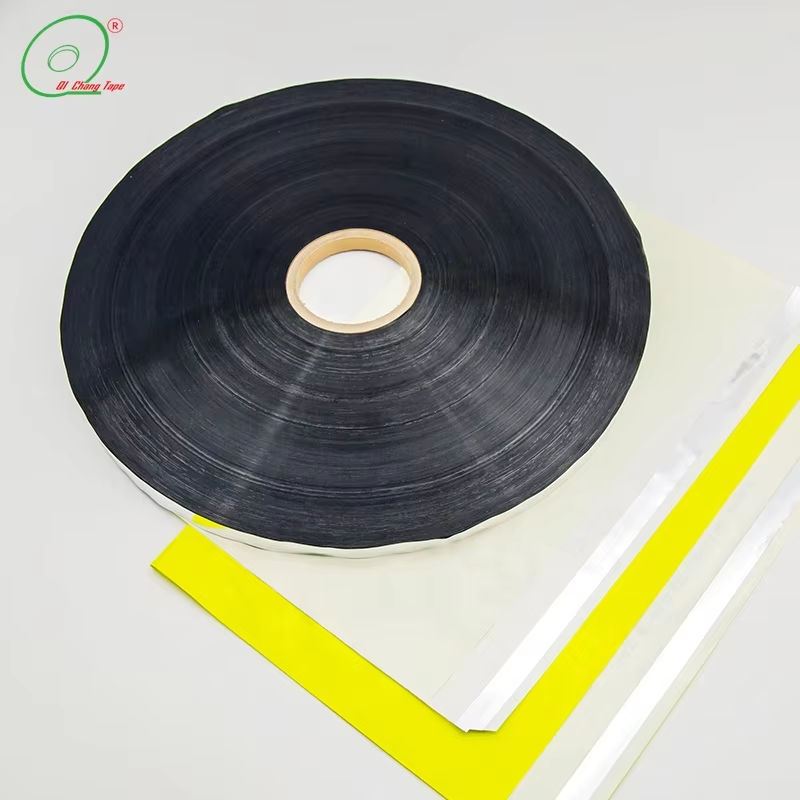
Strong adhesion in adhesive permanent bag sealing tape depends on a complex interplay of material science, surface chemistry, and manufacturing precision. The ability of these specialized tapes to create lasting, tamper-evident seals on various bag substrates requires careful consideration of adhesive formulation, backing material properties, and application conditions. Understanding these fundamental factors enables manufacturers and end-users to achieve reliable sealing performance across diverse packaging applications.
The strength of adhesive permanent bag sealing tape adhesion directly impacts packaging integrity, tamper resistance, and product protection throughout the supply chain. When adhesion fails, it can result in compromised package security, product contamination, or customer dissatisfaction. Therefore, understanding the specific mechanisms that create and maintain strong adhesive bonds becomes essential for selecting and implementing effective sealing solutions in commercial packaging operations.
Adhesive Formulation Chemistry
Polymer Base Selection
The polymer base forms the backbone of adhesive permanent bag sealing tape performance, determining fundamental adhesion characteristics and durability. Acrylic-based adhesives offer excellent UV stability and aging resistance, making them suitable for applications where long-term bond integrity is critical. These formulations typically provide consistent adhesion across varying temperature ranges while maintaining clarity and preventing yellowing over time.
Rubber-based adhesive systems in permanent bag sealing tape deliver immediate aggressive tack and conformability to irregular surfaces. These formulations excel in applications requiring instant bond formation and high initial grab strength. The elastomeric properties of rubber adhesives enable effective stress distribution across the bond line, reducing the likelihood of cohesive failure under dynamic loading conditions.
Hot-melt adhesive formulations provide rapid setting characteristics and excellent adhesion to low-energy surfaces commonly found in plastic bag materials. These systems utilize thermoplastic polymers that solidify quickly upon cooling, creating strong mechanical interlocks with substrate surface textures. The thermal activation process ensures optimal wetting and penetration into substrate irregularities, enhancing overall bond strength.
Tackifier Integration
Tackifying resins significantly influence the initial adhesion and wetting behavior of adhesive permanent bag sealing tape. These low molecular weight additives reduce the glass transition temperature of the base polymer, increasing surface tack and improving conformability to substrate textures. Rosin-based tackifiers provide excellent adhesion to polar substrates, while hydrocarbon resins optimize performance on non-polar plastic surfaces.
The concentration and compatibility of tackifying agents directly affect the balance between adhesion and cohesion in the final tape product. Excessive tackifier loading can compromise cohesive strength, leading to adhesive transfer during tape removal. Conversely, insufficient tackifier content may result in poor wetting and inadequate initial bond formation, particularly on challenging low-energy substrates.
Synthetic tackifying resins offer improved thermal stability and color retention compared to natural rosin derivatives. These engineered additives enable adhesive permanent bag sealing tape manufacturers to achieve consistent performance across broader temperature ranges while maintaining optical clarity. The chemical structure of synthetic tackifiers can be tailored to optimize compatibility with specific polymer matrices and enhance selective adhesion properties.
Backing Material Properties
Film Substrate Characteristics
The backing material of adhesive permanent bag sealing tape serves as both a carrier for the adhesive and a structural element that influences overall tape performance. Polyester films provide exceptional tensile strength and dimensional stability, enabling reliable tape handling during application while maintaining consistent adhesive contact pressure. The low stretch characteristics of polyester prevent adhesive squeeze-out and ensure uniform bond line thickness.
Polypropylene backing materials offer superior conformability and chemical resistance, making them ideal for applications involving contact with various bag contents or environmental contaminants. The flexibility of polypropylene films allows adhesive permanent bag sealing tape to accommodate substrate movement and thermal expansion without bond line stress concentration.
Paper-based backing materials, particularly those with specialized surface treatments, provide excellent printability for identification and branding purposes. These substrates often incorporate tear-resistant fibers or synthetic reinforcement to prevent premature failure during application or removal attempts. The porous nature of paper backings can enhance adhesive anchorage through mechanical interlocking mechanisms.
Surface Treatment Effects
Corona treatment of backing materials significantly improves adhesive anchorage by increasing surface energy and creating polar functional groups. This process enhances the chemical interaction between the adhesive and backing substrate, reducing the likelihood of delamination failure. The controlled oxidation creates microscopic surface roughness that provides additional mechanical interlocking opportunities for the adhesive.
Primer coatings on backing materials create chemical bridges between the substrate and adhesive layer, improving long-term bond durability. These coupling agents are specifically formulated to react with both surfaces, forming covalent bonds that resist environmental degradation. Primer application also enables the use of adhesive formulations that might otherwise exhibit poor substrate compatibility.
Release liner treatments on adhesive permanent bag sealing tape backing materials control unwinding characteristics and prevent adhesive contamination during storage. Silicone-based release coatings provide consistent release force while protecting the adhesive from atmospheric moisture and contamination. The selection of release treatment chemistry affects both tape processability and final adhesive performance characteristics.
Substrate Compatibility Factors
Surface Energy Considerations
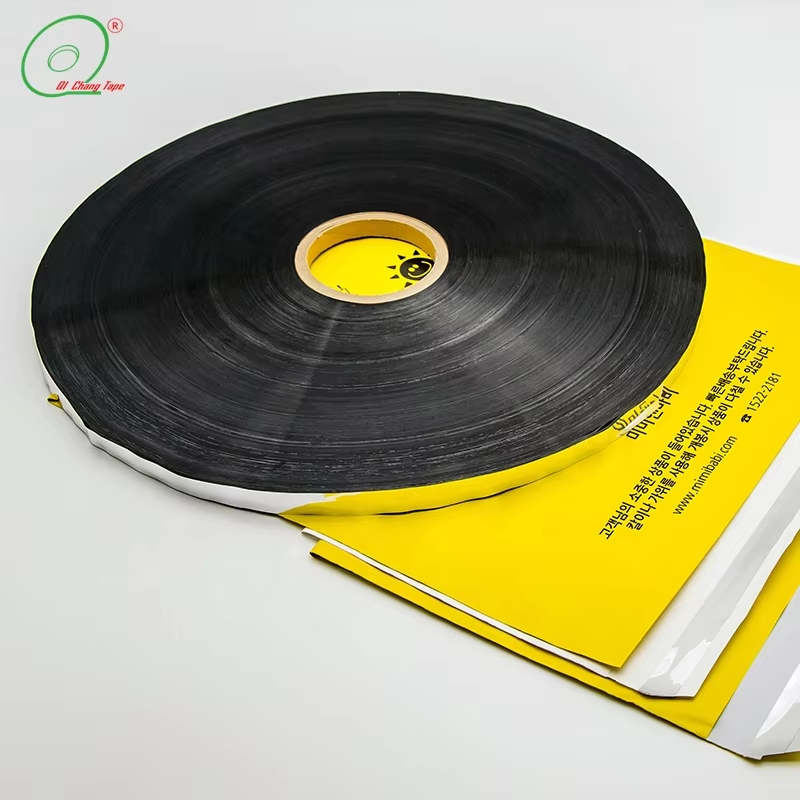
The surface energy relationship between adhesive permanent bag sealing tape and bag substrates fundamentally determines wetting behavior and initial adhesion development. High-energy surfaces such as treated polyethylene or polypropylene films readily accept adhesive wetting, allowing molecular-level contact that maximizes van der Waals forces. This intimate contact creates the foundation for strong adhesive bonds that resist environmental degradation.
Low-energy substrates like untreated polyolefin films present significant challenges for adhesive wetting and bond formation. These surfaces require specialized adhesive formulations or substrate pretreatment to achieve adequate adhesion levels. Flame treatment, corona discharge, or chemical etching can increase substrate surface energy, enabling effective wetting by conventional adhesive systems.
Surface energy matching between adhesive and substrate optimizes molecular interactions and mechanical interlocking mechanisms. When properly matched, the adhesive can flow into surface irregularities and form multiple contact points that distribute stress across the bond area. This stress distribution prevents localized failure initiation and enhances overall bond durability under dynamic loading conditions.
Contamination Management
Surface contamination significantly impacts the adhesion performance of permanent bag sealing tape by creating interfacial barriers that prevent intimate molecular contact. Oil, dust, moisture, and processing aids commonly found on bag substrates can drastically reduce bond strength and long-term durability. Effective contamination management requires understanding both the source and nature of potential contaminants.
Cleaning protocols for bag surfaces must balance contamination removal with substrate preservation, particularly for sensitive plastic films that may be damaged by aggressive solvents. Isopropyl alcohol wipes typically provide adequate cleaning for most applications while minimizing substrate stress-cracking risks. The timing of cleaning relative to tape application affects contamination redeposition and optimal adhesive wetting conditions.
Anti-static treatments on bag materials can interfere with adhesive permanent bag sealing tape bonding by creating low-cohesion boundary layers at the interface. These additives often migrate to the surface during storage, requiring removal or modification before tape application. Understanding the chemical nature of anti-static agents enables selection of compatible cleaning methods that restore bondable surface conditions.
Application and Environmental Variables
Temperature Effects
Application temperature directly influences the viscoelastic behavior of adhesive permanent bag sealing tape, affecting both initial wetting and ultimate bond strength development. Elevated temperatures reduce adhesive viscosity, promoting better flow into substrate surface irregularities and enhancing molecular contact. However, excessive temperature can cause adhesive degradation or premature crosslinking that compromises long-term performance.
Low-temperature applications present challenges for adhesive flow and wetting, often requiring specialized formulations with enhanced cold-temperature flexibility. These conditions may also affect the backing material properties, potentially causing brittleness or dimensional changes that impact bond line integrity. Understanding the temperature response of all tape components enables proper application parameter selection.
Thermal cycling after application tests the bond durability of adhesive permanent bag sealing tape under realistic service conditions. Repeated expansion and contraction cycles can induce stress concentrations at bond line discontinuities, leading to progressive failure initiation. Adhesive formulations must maintain flexibility across the expected service temperature range to accommodate these dimensional changes without bond degradation.
Pressure and Dwell Time
Application pressure facilitates intimate contact between adhesive permanent bag sealing tape and substrate surfaces, ensuring effective wetting and air bubble elimination. Insufficient pressure leaves interfacial voids that create stress concentration points and reduce overall bond strength. The required pressure varies with substrate smoothness, adhesive viscosity, and desired bond line thickness.
Dwell time allows progressive adhesive flow and molecular relaxation processes that enhance bond strength development. Pressure-sensitive adhesives continue to build adhesion for hours or days after initial application as polymer chains reptate and establish stronger intermolecular interactions. This time-dependent strengthening mechanism explains why properly applied permanent bag sealing tape often exhibits increasing removal force over time.
Optimal application parameters balance immediate handling strength requirements with ultimate bond performance objectives. Excessive pressure or extended dwell time can cause adhesive squeeze-out or substrate deformation that compromises seal integrity. Application equipment must provide consistent, controlled conditions to ensure repeatable bond quality across production volumes.
FAQ
What happens if adhesive permanent bag sealing tape loses adhesion over time?
When adhesive permanent bag sealing tape loses adhesion over time, it typically results from adhesive degradation, substrate contamination, or environmental stress factors. The loss manifests as reduced peel strength, edge lifting, or complete bond failure that can compromise package integrity and tamper evidence. This degradation often occurs gradually, making regular quality monitoring essential for maintaining sealing effectiveness in critical applications.
How does humidity affect the performance of adhesive permanent bag sealing tape?
Humidity can significantly impact adhesive permanent bag sealing tape performance by affecting both the adhesive properties and substrate characteristics. High humidity may cause adhesive softening, reduced tack, or cohesive failure, while also introducing moisture at the bond interface that weakens adhesion. Low humidity conditions can make adhesives brittle and reduce their ability to wet substrate surfaces effectively, particularly on sensitive materials.
Can surface treatments improve adhesion for difficult-to-bond bag materials?
Surface treatments can dramatically improve adhesion of adhesive permanent bag sealing tape to difficult substrates by increasing surface energy and creating reactive sites for chemical bonding. Common treatments include corona discharge, flame treatment, and primer application, each targeting specific bonding challenges. The selection of appropriate treatment depends on the substrate material, production constraints, and required bond durability specifications.
Why do some adhesive permanent bag sealing tapes work better on specific bag types?
Different bag materials have varying surface energy, texture, and chemical composition characteristics that require matching adhesive formulations for optimal performance. Polyethylene bags may require different adhesive chemistry than polypropylene or paper substrates due to their surface energy differences and potential contamination levels. Manufacturers often develop specialized formulations targeting specific substrate families to optimize adhesion, removability, and long-term performance characteristics.
Table of Contents
- Adhesive Formulation Chemistry
- Backing Material Properties
- Substrate Compatibility Factors
- Application and Environmental Variables
-
FAQ
- What happens if adhesive permanent bag sealing tape loses adhesion over time?
- How does humidity affect the performance of adhesive permanent bag sealing tape?
- Can surface treatments improve adhesion for difficult-to-bond bag materials?
- Why do some adhesive permanent bag sealing tapes work better on specific bag types?