
 EN
EN
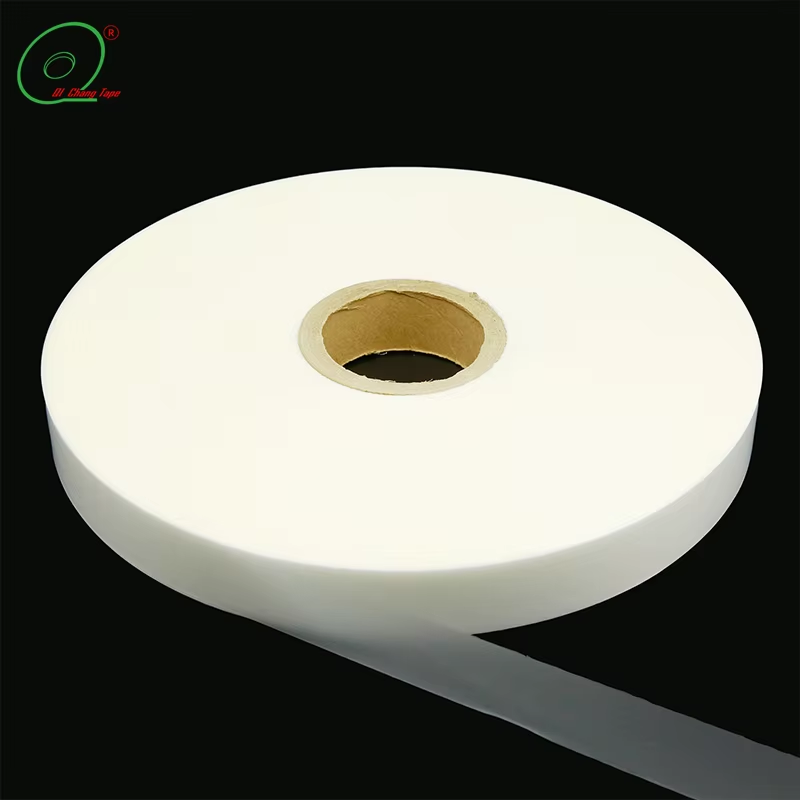
Industrial manufacturing processes across diverse sectors increasingly rely on specialized protective materials to ensure product quality and operational efficiency. Among these essential materials, silicone release liner has emerged as a critical component that facilitates smooth production workflows while maintaining the integrity of adhesive-backed products. This advanced protective film serves as a temporary carrier that prevents premature adhesion during manufacturing, storage, and application processes. Understanding which industrial applications benefit most from custom silicone release liner solutions can help manufacturers optimize their production capabilities and achieve superior end-product performance.
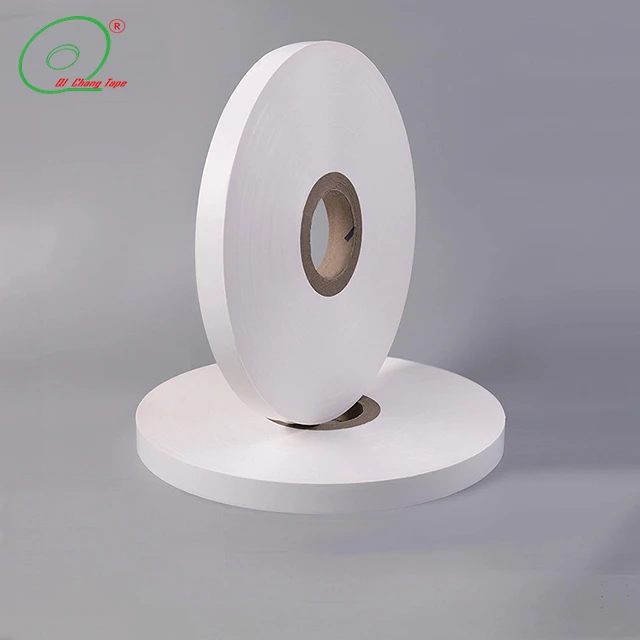
Electronics and Semiconductor Manufacturing Applications
Circuit Board Protection and Assembly
The electronics industry represents one of the most demanding sectors for precision silicone release liner applications. Modern circuit board manufacturing requires ultra-clean environments and materials that will not contaminate sensitive electronic components. Silicone release liner provides essential protection during the lamination of flexible printed circuits, ensuring that conductive adhesives maintain their properties until final assembly. The material's low surface energy characteristics prevent unwanted adhesion while allowing for precise positioning of components during automated assembly processes.
Semiconductor packaging operations benefit significantly from custom silicone release liner formulations designed to withstand the thermal cycling requirements of chip manufacturing. These specialized liners must maintain dimensional stability across temperature ranges from -40°C to 200°C while providing consistent release characteristics. The ability to customize silicone coating thickness and substrate materials ensures optimal performance for specific semiconductor assembly requirements, reducing production defects and improving yield rates.
Display Technology and Touch Panel Manufacturing
Touch panel and display manufacturers require silicone release liner solutions that offer exceptional optical clarity and surface smoothness. The production of capacitive touch screens involves multiple lamination steps where temporary protection is essential to prevent contamination of optically clear adhesives. Custom silicone release liner formulations can be engineered to provide anti-static properties, reducing the risk of electrostatic discharge damage to sensitive display components during manufacturing.
Large format display manufacturing presents unique challenges that benefit from tailored silicone release liner solutions. These applications often require materials with enhanced dimensional stability to accommodate the thermal expansion characteristics of large substrates. Custom formulations can incorporate specific release values optimized for the particular adhesive systems used in display bonding, ensuring clean separation without residue transfer or delamination issues.
Medical Device and Healthcare Applications
Wound Care and Transdermal Drug Delivery Systems
The medical device industry demands the highest standards of biocompatibility and sterility from silicone release liner materials. Wound care products, including advanced dressings and bandages, rely on medical-grade silicone release liner to protect adhesive surfaces while maintaining sterility throughout the product lifecycle. These applications require USP Class VI certified materials that will not introduce contaminants or cause adverse biological reactions when in contact with human tissue.
Transdermal drug delivery patches represent a sophisticated application where silicone release liner performance directly impacts drug efficacy and patient safety. Custom formulations must provide consistent release characteristics that allow for easy patch application while ensuring the drug-loaded adhesive maintains its therapeutic properties. The silicone coating must be formulated to prevent migration of active pharmaceutical ingredients, maintaining drug stability throughout the product's shelf life.
Surgical and Diagnostic Device Manufacturing
Surgical tape and medical adhesive applications require silicone release liner solutions that can withstand sterilization processes including gamma radiation, electron beam, and ethylene oxide treatments. Custom formulations must maintain their release properties after exposure to these sterilization methods while ensuring no degradation products are introduced that could compromise patient safety. The material's ability to provide consistent release force ensures that medical professionals can apply devices quickly and accurately during critical procedures.
Diagnostic device manufacturing, particularly for point-of-care testing devices, benefits from silicone release liner materials engineered for precision handling and automated assembly. These applications often involve complex geometries and micro-adhesive patterns that require exceptional die-cutting capabilities and edge definition. Custom silicone release liner formulations can be optimized for specific converting processes, ensuring clean edges and preventing adhesive transfer during manufacturing operations.
Automotive and Transportation Industry Uses
Interior and Exterior Automotive Trim Applications
The automotive industry's demanding performance requirements make it an ideal candidate for custom silicone release liner solutions. Interior trim manufacturing involves complex curved surfaces and multi-material bonding applications that require specialized release liner properties. Automotive-grade silicone release liner must withstand the temperature extremes encountered during vehicle operation while maintaining consistent performance across varying humidity conditions. Custom formulations can be engineered to accommodate the specific thermal expansion characteristics of different automotive substrates.
Exterior automotive applications present additional challenges related to UV exposure and weathering resistance. Silicone release liner used in the production of automotive graphics, emblems, and protective films must provide reliable performance throughout extended outdoor exposure. Custom UV-stable formulations ensure that the liner maintains its release properties even after prolonged sunlight exposure, preventing premature failure that could compromise the end-product's appearance or functionality.
Aerospace and Aviation Component Manufacturing
Aerospace applications demand silicone release liner materials that meet stringent flame resistance and low outgassing requirements. Aircraft interior components, including cabin panels and insulation materials, rely on silicone release liner during manufacturing processes that must comply with FAA flammability standards. Custom formulations can be developed to meet specific aerospace material specifications while providing the release characteristics necessary for complex composite manufacturing processes.
Composite manufacturing for aerospace applications requires silicone release liner solutions that can withstand autoclave curing processes at temperatures up to 350°F and pressures exceeding 100 psi. These extreme conditions demand specialized silicone formulations that maintain their integrity and release properties throughout the entire curing cycle. Custom silicone release liner materials can be engineered with enhanced thermal stability and pressure resistance to ensure successful composite part production without contamination or bonding failures.
Industrial Tape and Label Manufacturing
High Performance Adhesive Tape Production
Industrial tape manufacturing represents one of the largest volume applications for silicone release liner materials. High-performance adhesive tapes used in construction, packaging, and manufacturing operations require release liner solutions that provide consistent unwind characteristics and extended shelf life. Custom silicone release liner formulations can be optimized for specific adhesive chemistries, ensuring compatibility and preventing unwanted interactions that could degrade tape performance over time.
Specialty tape applications, including high-temperature masking tapes and structural bonding tapes, benefit from silicone release liner materials engineered for extreme service conditions. These applications may require release liner that can withstand temperatures exceeding 200°C during tape manufacturing processes while maintaining dimensional stability and release consistency. Custom formulations allow manufacturers to optimize release values for different adhesive systems, improving production efficiency and end-product quality.
Label and Graphics Converting Operations
Label converting operations require silicone release liner materials that provide excellent printability and converting characteristics. Digital printing applications demand silicone release liner with controlled surface energy that allows for optimal ink adhesion while maintaining easy removal from the final label product. Custom formulations can incorporate specific additives that enhance print quality and reduce cockling during the printing process, resulting in superior graphics reproduction and dimensional stability.
Security label applications present unique requirements for silicone release liner performance, including tamper-evident features and specialized adhesive compatibility. Custom silicone release liner solutions can be engineered to work with security adhesives that leave visible evidence of tampering attempts. These applications require precise control of release characteristics to ensure that the security features function properly while allowing for normal application and handling during manufacturing and distribution processes.
Construction and Building Materials Sector
Waterproofing and Sealing Applications
Construction industry applications for silicone release liner encompass a wide range of waterproofing and sealing products that require long-term outdoor durability. Roofing membrane manufacturing utilizes silicone release liner during the production of self-adhered roofing systems that must maintain their integrity under extreme weather conditions. Custom formulations must provide reliable release characteristics while ensuring that the roofing adhesive maintains its waterproofing properties throughout the building's service life.
Window and door sealing applications require silicone release liner materials that can accommodate the dimensional tolerances and installation requirements of modern building construction. These applications often involve complex geometries and multiple material interfaces that demand precise release characteristics. Custom silicone release liner solutions can be engineered to provide optimal release force for automated installation equipment while ensuring consistent performance across varying environmental conditions.
Flooring and Surface Protection Systems
Commercial flooring applications utilize silicone release liner in the production of self-adhesive floor coverings and protective films that require exceptional durability and adhesion performance. These materials must withstand heavy foot traffic and frequent cleaning while maintaining their appearance and protective properties. Custom silicone release liner formulations can be optimized for different flooring adhesive systems, ensuring proper installation characteristics and long-term performance in demanding commercial environments.
Surface protection films used during construction and renovation projects benefit from silicone release liner materials engineered for temporary adhesion applications. These products must provide strong initial adhesion to protect surfaces from damage while allowing for clean removal without residue after project completion. Custom formulations can be developed to provide specific adhesion levels and removal characteristics optimized for different surface types and environmental exposure conditions.
FAQ
What factors determine the optimal silicone release liner for specific industrial applications
The selection of optimal silicone release liner depends on several critical factors including the adhesive chemistry being used, operating temperature range, required shelf life, and specific performance requirements such as dimensional stability or chemical resistance. Custom formulations allow manufacturers to balance these factors by adjusting silicone coating weight, crosslink density, and substrate material properties to achieve the desired release characteristics while meeting application-specific performance requirements.
How does silicone release liner performance impact overall manufacturing efficiency
Silicone release liner performance directly affects manufacturing efficiency through its influence on converting speeds, waste reduction, and product quality consistency. Properly formulated silicone release liner enables higher production speeds by providing consistent release characteristics that prevent web breaks and adhesive transfer during processing. Additionally, custom formulations can reduce waste by optimizing release values for specific applications, minimizing the occurrence of defective products that must be discarded during manufacturing operations.
What quality standards should be considered when selecting medical-grade silicone release liner
Medical-grade silicone release liner must comply with biocompatibility standards including USP Class VI certification and ISO 10993 testing protocols. These materials should also meet specific requirements for extractable substances, endotoxin levels, and sterility maintenance throughout the product lifecycle. Custom formulations for medical applications undergo rigorous testing to ensure they do not introduce contaminants or cause adverse biological reactions when used in direct or indirect patient contact applications.
How do environmental conditions affect silicone release liner selection for outdoor applications
Environmental conditions significantly impact silicone release liner performance, particularly UV exposure, temperature cycling, and humidity variations that can affect both the silicone coating and substrate material properties. Custom formulations for outdoor applications incorporate UV stabilizers and antioxidants to prevent degradation during extended exposure. Additionally, substrate selection and silicone chemistry must be optimized to maintain dimensional stability and release characteristics across the full range of environmental conditions expected during the product's service life.
Table of Contents
- Electronics and Semiconductor Manufacturing Applications
- Medical Device and Healthcare Applications
- Automotive and Transportation Industry Uses
- Industrial Tape and Label Manufacturing
- Construction and Building Materials Sector
-
FAQ
- What factors determine the optimal silicone release liner for specific industrial applications
- How does silicone release liner performance impact overall manufacturing efficiency
- What quality standards should be considered when selecting medical-grade silicone release liner
- How do environmental conditions affect silicone release liner selection for outdoor applications