
 EN
EN

Adhesive bonding has revolutionized industrial packaging and manufacturing processes across countless industries. The science behind strong adhesive performance involves complex chemical interactions, material engineering, and application techniques that determine whether a bond will hold under stress or fail when it matters most. Understanding these fundamental principles helps businesses select the right bag sealing tape solutions for their specific requirements and ensures optimal performance in demanding applications.
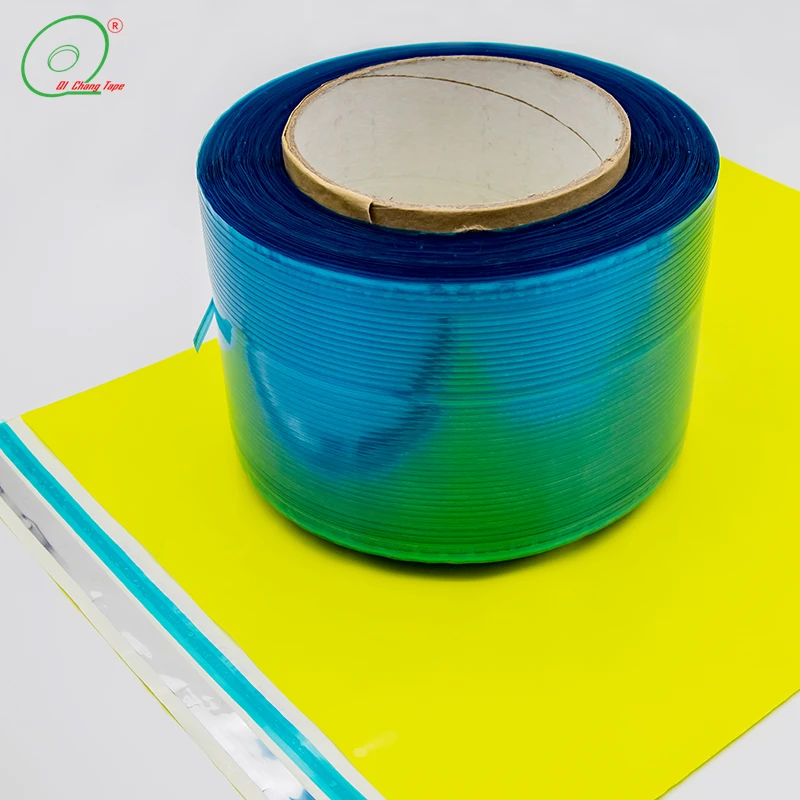
Modern manufacturing and logistics operations depend heavily on reliable sealing solutions that maintain integrity throughout transportation, storage, and handling processes. Professional bag sealing tape products utilize advanced adhesive formulations designed to create permanent bonds with various substrate materials. These specialized tapes must withstand environmental challenges including temperature fluctuations, humidity variations, and mechanical stress while maintaining consistent performance standards required by industrial applications.
Adhesive Chemistry and Bonding Mechanisms
Molecular Adhesion Principles
The fundamental strength of adhesive bonding relies on molecular-level interactions between the adhesive material and the substrate surface. Van der Waals forces, hydrogen bonding, and chemical crosslinking contribute to the overall adhesive performance of bag sealing tape applications. These intermolecular attractions create the initial contact between surfaces, while mechanical interlocking enhances bond strength through penetration into surface irregularities and porous structures.
Surface energy compatibility plays a crucial role in determining adhesive effectiveness. High-energy surfaces such as metals and glass typically accept adhesive bonding more readily than low-energy surfaces like polyethylene or polypropylene. Advanced bag sealing tape formulations incorporate surface treatment technologies and primer systems that modify substrate characteristics to improve adhesion on challenging materials commonly used in packaging applications.
Adhesive Polymer Structures
Pressure-sensitive adhesives used in professional sealing applications typically feature polymer chains with specific molecular weights and crosslink densities optimized for target performance characteristics. Acrylic-based adhesives offer excellent aging resistance and temperature stability, making them ideal for long-term storage applications. Rubber-based formulations provide superior initial tack and conformability to irregular surfaces, while synthetic polymer blends combine benefits of multiple adhesive chemistries.
The viscoelastic properties of adhesive polymers determine how bag sealing tape responds to applied forces and environmental conditions. Proper balance between cohesive strength within the adhesive layer and adhesive strength at substrate interfaces ensures optimal performance under various stress conditions. Temperature-dependent behavior affects both initial application characteristics and long-term bond integrity in service environments.
Substrate Surface Preparation and Compatibility
Surface Contamination Management
Achieving maximum bonding performance requires careful attention to substrate surface conditions before applying bag sealing tape. Oils, dust, moisture, and release agents can significantly reduce adhesive effectiveness by creating barrier layers that prevent intimate contact between the adhesive and substrate. Professional cleaning protocols using appropriate solvents and cleaning agents remove contaminants without damaging substrate materials or leaving residues that could compromise bond formation.
Surface roughness characteristics influence both mechanical interlocking and actual contact area between adhesive and substrate. Moderately textured surfaces often provide superior bonding performance compared to perfectly smooth surfaces by increasing effective bonding area and providing mechanical anchoring points. However, excessive roughness can trap air and create voids that weaken the overall bond structure.
Material Compatibility Assessment
Different packaging materials require specific adhesive formulations to achieve optimal bonding performance. Polyethylene films, commonly used in mailer bags and flexible packaging, present low surface energy challenges that specialized bag sealing tape products address through modified adhesive chemistry or surface treatment processes. Paper-based substrates absorb adhesive components differently than plastic films, requiring adjusted adhesive rheology and cure characteristics.
Plasticizer migration from flexible packaging materials can affect long-term adhesive performance by altering adhesive properties over time. High-quality bag sealing tape formulations incorporate stabilizers and barrier technologies that resist plasticizer migration and maintain consistent bonding characteristics throughout the product lifecycle.
Application Techniques and Process Optimization
Pressure and Temperature Control
Proper application technique significantly influences the final bonding strength achieved with bag sealing tape products. Adequate pressure during initial application ensures complete contact between adhesive and substrate while eliminating air bubbles that could create weak points in the bond line. Temperature control during application affects adhesive flow characteristics and wetting behavior on substrate surfaces.
Cold temperature applications may require modified adhesive formulations or pre-warming procedures to achieve proper flow and bonding characteristics. High-temperature environments during application can accelerate adhesive cure reactions but may also cause premature setting before complete surface wetting occurs. Professional bag sealing tape products specify optimal application temperature ranges for maximum performance.
Cure Time and Bond Development
Adhesive bonding is typically a time-dependent process where initial tack provides immediate handling strength while full bond development occurs over hours or days following application. Understanding cure kinetics helps optimize packaging line speeds and handling procedures to prevent bond failure during critical early stages. Environmental conditions including humidity and temperature affect cure rates and final bond properties.
Accelerated aging tests evaluate long-term bonding performance under simulated service conditions. These testing protocols help predict how bag sealing tape will perform over extended storage periods or under challenging environmental conditions encountered during shipping and distribution. Quality control procedures verify that production lots meet specified performance standards before release to customers.
Environmental Resistance and Durability Factors
Temperature Performance Characteristics
Temperature extremes present significant challenges for adhesive bonding applications in real-world service environments. Low temperatures can cause adhesive embrittlement and reduced flexibility, leading to bond failure under mechanical stress. High temperatures may cause adhesive softening, creep, or degradation that compromises long-term performance. Professional bag sealing tape products undergo extensive temperature testing to establish reliable operating ranges.
Thermal cycling conditions, where temperatures fluctuate between extreme high and low values, create particularly demanding test conditions that evaluate adhesive fatigue resistance. Differential thermal expansion between substrate materials and adhesive layers generates internal stresses that can lead to delamination or cohesive failure within the adhesive layer over multiple cycles.
Moisture and Chemical Resistance
Humidity exposure affects adhesive performance through moisture absorption, plasticization, and potential hydrolysis reactions that degrade polymer structures. Hydrophobic adhesive formulations resist moisture uptake while hydrophilic systems may actually improve performance under certain humid conditions. Barrier properties of backing materials influence moisture transmission rates and protect adhesive layers from environmental exposure.
Chemical resistance requirements depend on specific application environments and potential exposure to cleaning agents, oils, or other chemical substances. Specialized bag sealing tape formulations resist degradation from common industrial chemicals while maintaining bonding performance throughout the intended service life. Compatibility testing with specific chemicals helps prevent unexpected failures in service applications.
Quality Control and Performance Testing Methods
Standardized Testing Protocols
Industry-standard test methods provide objective measures of adhesive bonding performance that enable meaningful comparisons between different bag sealing tape products. Peel strength testing evaluates the force required to separate bonded materials under controlled conditions. Shear strength measurements assess resistance to sliding forces parallel to the bond line. These mechanical tests correlate with real-world performance requirements.
Tack testing measures initial adhesive grab characteristics that affect ease of application and immediate handling strength. Loop tack, rolling ball tack, and probe tack methods evaluate different aspects of initial bonding behavior. Environmental conditioning prior to testing simulates service conditions and reveals performance variations under different environmental conditions.
Application-Specific Performance Validation
Real-world performance validation involves testing bag sealing tape under actual use conditions including typical substrate materials, application methods, and service environments. Package integrity testing evaluates seal performance under distribution stresses including vibration, compression, and handling forces. Drop testing and transportation simulation provide data on performance under logistics conditions.
Long-term aging studies track adhesive performance changes over extended time periods under accelerated conditions. These studies help establish shelf life recommendations and predict service life performance. Statistical analysis of test data ensures consistent quality and identifies process improvements that enhance overall product reliability.
Industrial Applications and Market Requirements
E-commerce and Shipping Applications
The explosive growth of e-commerce has created demanding requirements for packaging sealing solutions that must perform reliably under varied shipping conditions. Bag sealing tape used in mailer applications must provide tamper-evident properties while maintaining easy opening characteristics for end users. Automated packaging equipment requires consistent adhesive properties that enable high-speed application without compromises in seal integrity.
International shipping environments expose packages to extreme temperature variations, humidity changes, and rough handling conditions that challenge adhesive bonding performance. Premium bag sealing tape products incorporate advanced adhesive technologies specifically designed to maintain seal integrity throughout global distribution networks while meeting regulatory requirements in different markets.
Manufacturing and Industrial Packaging
Industrial packaging applications often involve harsh environmental conditions, chemical exposure, and extended storage periods that require superior adhesive performance characteristics. Heavy-duty bag sealing tape must withstand forklift handling, warehouse stacking loads, and outdoor storage conditions while maintaining consistent sealing performance. Cost-effective solutions balance performance requirements with economic considerations in high-volume applications.
Specialized industrial applications may require custom adhesive formulations tailored to specific substrate materials, environmental conditions, or performance requirements. Technical support and application engineering services help optimize bag sealing tape selection and implementation for challenging industrial environments where standard products may not provide adequate performance.
FAQ
What factors determine the strength of bag sealing tape adhesion?
Adhesive strength depends on multiple interconnected factors including adhesive chemistry, substrate surface preparation, application technique, and environmental conditions. The molecular compatibility between adhesive and substrate creates the foundation for strong bonding, while proper surface preparation ensures intimate contact without contamination barriers. Application pressure and temperature affect initial bond formation, and environmental factors like temperature and humidity influence long-term performance.
How does surface preparation affect bag sealing tape performance?
Surface preparation is critical for achieving maximum bonding strength with bag sealing tape applications. Clean, dry surfaces free from oils, dust, and release agents provide optimal conditions for adhesive wetting and molecular interaction. Surface texture affects mechanical interlocking, with moderately rough surfaces often providing better performance than perfectly smooth surfaces. Proper preparation can dramatically improve bond strength and reliability compared to application on contaminated or poorly prepared surfaces.
What environmental conditions can affect adhesive bonding performance?
Temperature extremes, humidity levels, and chemical exposure significantly impact bag sealing tape performance over time. Low temperatures can cause adhesive brittleness and reduced flexibility, while high temperatures may lead to softening and creep. High humidity can affect moisture-sensitive adhesives, and chemical exposure may cause degradation or loss of adhesion. Professional tape products are designed and tested to maintain performance within specified environmental operating ranges.
How can application technique influence final bond strength?
Proper application technique ensures optimal contact between bag sealing tape and substrate surfaces while eliminating defects that could compromise bond integrity. Adequate pressure during application promotes adhesive wetting and removes trapped air bubbles. Application temperature affects adhesive flow characteristics and cure development. Timing considerations ensure sufficient cure time before subjecting bonds to stress loads, allowing full strength development for maximum performance.