
 EN
EN
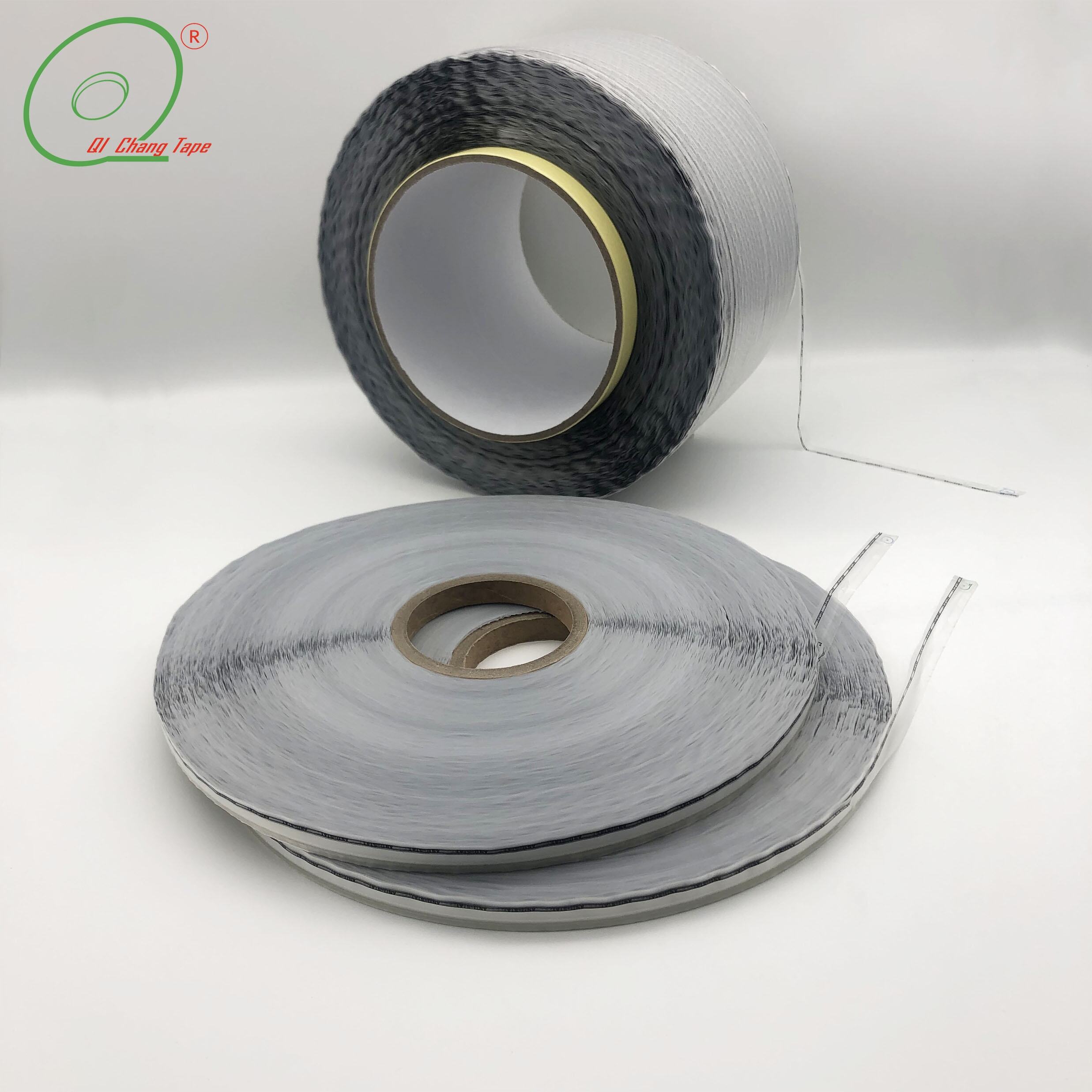
Industrial packaging operations demand reliable sealing solutions that maintain integrity throughout extended storage periods and multiple handling cycles. Modern manufacturing facilities increasingly rely on high-density polyethylene materials for creating durable, reusable closure systems that withstand demanding environmental conditions. The performance characteristics of hdpe resealable sealing tape depend heavily on proper implementation guidelines and adherence to established quality protocols that ensure consistent functionality over time.
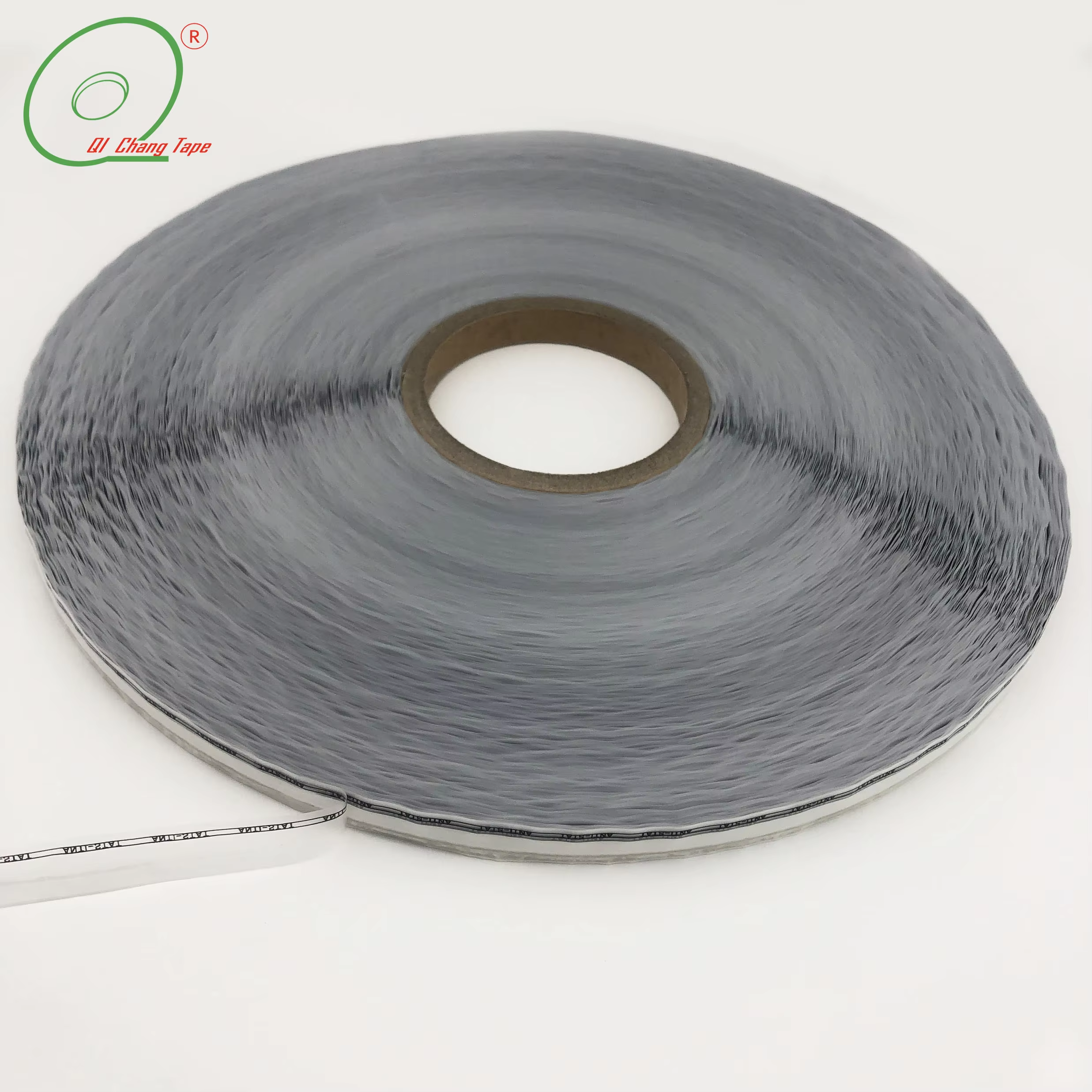
Material Composition Standards for Optimal Performance
High-Density Polyethylene Film Requirements
The foundation of any effective hdpe resealable sealing tape lies in the quality of the base polymer material. High-density polyethylene provides exceptional resistance to moisture infiltration, chemical exposure, and mechanical stress. Manufacturing specifications must ensure uniform molecular density throughout the film structure to prevent weak points that could compromise seal integrity. Quality control protocols require testing polymer crystallinity levels and ensuring consistent thickness tolerances across the entire production run.
Temperature stability represents another critical aspect of HDPE film performance in sealing applications. The polymer structure must maintain flexibility and adhesion characteristics across temperature ranges typically encountered in industrial storage environments. Proper material formulation includes stabilizing additives that prevent thermal degradation and maintain consistent sealing properties throughout the product lifecycle.
Adhesive System Integration
The adhesive component of hdpe resealable sealing tape requires precise chemical compatibility with the polyethylene substrate to ensure reliable bonding without compromising removability. Advanced adhesive formulations utilize pressure-sensitive compounds that provide immediate tack while maintaining repositioning capabilities. The adhesive layer thickness must be optimized to balance initial adhesion strength with clean removal characteristics.
Adhesive aging characteristics significantly impact long-term performance reliability. Quality standards mandate accelerated aging tests that simulate extended storage conditions and evaluate adhesive stability over time. The adhesive system must resist migration into the HDPE substrate while maintaining consistent tackiness levels throughout the expected service life of the sealing tape.
Installation and Application Best Practices
Surface Preparation Protocols
Proper surface preparation directly influences the long-term effectiveness of hdpe resealable sealing tape applications. Target surfaces require thorough cleaning to remove contaminants, residual adhesives, and environmental debris that could interfere with optimal bonding. Surface energy levels must be assessed to ensure compatibility with the adhesive system, particularly on low-energy substrates commonly found in packaging applications.
Environmental conditions during installation significantly affect initial bond formation and subsequent performance characteristics. Temperature and humidity levels should fall within manufacturer-specified ranges to optimize adhesive flow and ensure proper wetting of the substrate surface. Installation personnel must be trained to recognize environmental factors that could compromise application quality and adjust procedures accordingly.
Application Technique Standards
Consistent application pressure ensures uniform contact between the hdpe resealable sealing tape and substrate surface throughout the bond area. Manual application techniques require standardized pressure distribution methods to eliminate air entrapment and achieve complete adhesive contact. Mechanical application systems must be calibrated regularly to maintain consistent pressure parameters and ensure repeatable installation quality.
Alignment accuracy during installation affects both immediate functionality and long-term durability of resealable sealing systems. Proper positioning techniques ensure that stress concentrations do not develop at seal edges during normal handling operations. Installation guidelines must specify tolerance requirements for tape positioning and provide methods for achieving consistent alignment across production runs.
Performance Testing and Validation Methods
Peel Strength Evaluation
Systematic peel strength testing provides quantitative data regarding the adhesive performance of hdpe resealable sealing tape under controlled conditions. Standard test methods specify precise loading rates, sample preparation procedures, and environmental conditions to ensure reproducible results. Peel strength values must remain within specified ranges throughout multiple open-close cycles to validate resealable functionality.
Dynamic peel testing simulates real-world usage patterns and evaluates adhesive performance under varying stress conditions. These tests assess the tape's ability to maintain consistent peel characteristics after exposure to temperature cycling, mechanical vibration, and other environmental stresses commonly encountered in industrial applications. Data from dynamic testing guides specification development for specific application requirements.
Environmental Resistance Assessment
Comprehensive environmental testing validates the long-term stability of hdpe resealable sealing tape under various storage and usage conditions. Accelerated aging protocols expose samples to elevated temperatures, humidity levels, and UV radiation to simulate extended service life in compressed time periods. These tests identify potential failure modes and establish reliable service life predictions for different environmental conditions.
Chemical compatibility testing ensures that the tape materials remain stable when exposed to substances commonly encountered in specific application environments. The testing protocol evaluates both immediate and long-term effects of chemical exposure on adhesive performance, substrate integrity, and overall sealing effectiveness. Results guide material selection decisions for applications involving potential chemical contact.
Quality Control and Manufacturing Standards
Production Process Controls
Manufacturing consistency directly impacts the reliability of hdpe resealable sealing tape performance across production batches. Statistical process control methods monitor critical parameters including film thickness uniformity, adhesive coat weight distribution, and dimensional accuracy throughout the manufacturing process. Real-time monitoring systems provide immediate feedback to maintain process parameters within specified control limits.
Raw material inspection protocols ensure that incoming HDPE resins and adhesive components meet established quality specifications before entering the production process. Comprehensive testing includes molecular weight analysis, melt flow index verification, and contamination screening to prevent quality issues in the finished product. Supplier qualification programs maintain consistent material quality across different sources.
Finished Product Validation
Final inspection procedures verify that completed hdpe resealable sealing tape meets all performance specifications before shipment to customers. Automated inspection systems detect dimensional variations, surface defects, and adhesive coverage irregularities that could affect field performance. Statistical sampling plans ensure representative quality assessment while maintaining efficient production throughput.
Batch certification documentation provides traceability for each production lot and includes test results for all critical performance parameters. This documentation enables rapid identification of potential issues and facilitates corrective action implementation when performance problems are identified in field applications. Comprehensive record keeping supports continuous improvement initiatives and customer quality requirements.
Storage and Handling Guidelines
Environmental Storage Requirements
Proper storage conditions preserve the performance characteristics of hdpe resealable sealing tape throughout extended inventory periods. Temperature control prevents adhesive softening or hardening that could affect application characteristics and bonding performance. Humidity management eliminates moisture absorption that could compromise adhesive effectiveness or cause dimensional instability in the HDPE substrate.
Light exposure protection prevents UV-induced degradation of both the polyethylene film and adhesive components. Storage areas must provide adequate protection from direct sunlight and fluorescent lighting that could initiate photochemical reactions leading to performance deterioration. Proper packaging materials provide additional protection during storage and transportation.
Inventory Management Protocols
First-in-first-out inventory rotation ensures that hdpe resealable sealing tape is used within recommended shelf life periods to maintain optimal performance characteristics. Clear labeling systems identify production dates and expiration information to facilitate proper inventory management. Regular inventory audits verify compliance with rotation procedures and identify products approaching expiration dates.
Handling procedures minimize physical damage that could compromise tape integrity during storage and distribution operations. Proper lifting techniques prevent core crushing that could affect unwinding characteristics during application. Protective packaging maintains product cleanliness and prevents contamination that could interfere with adhesive performance.
Troubleshooting Common Performance Issues
Adhesion Failure Analysis
Systematic analysis of adhesion failures helps identify root causes and implement effective corrective actions for hdpe resealable sealing tape applications. Visual inspection techniques distinguish between adhesive failure, cohesive failure, and substrate failure modes to guide problem-solving efforts. Failure mode analysis provides valuable feedback for improving application procedures and material specifications.
Environmental factors frequently contribute to adhesion problems in industrial applications. Temperature extremes, contamination, and substrate incompatibility represent common causes of performance issues that can be addressed through proper application procedures and material selection. Training programs educate application personnel on recognizing and preventing conditions that lead to adhesion failures.
Resealability Performance Optimization
Maintaining consistent resealable functionality requires attention to factors that affect the balance between initial adhesion and clean removability. Over-application of pressure during installation can cause excessive adhesive penetration into substrate surfaces, making removal difficult and potentially damaging the tape during subsequent uses. Standardized application procedures help maintain optimal resealable characteristics.
Contamination accumulation on hdpe resealable sealing tape surfaces gradually degrades resealable performance over multiple use cycles. Cleaning protocols remove accumulated debris while preserving adhesive functionality for continued use. Regular maintenance schedules ensure that sealing systems continue to provide reliable performance throughout their intended service life.
FAQ
How often should hdpe resealable sealing tape be replaced in industrial applications
The replacement frequency for hdpe resealable sealing tape depends on several factors including usage intensity, environmental conditions, and specific performance requirements. Under normal industrial conditions with moderate temperature exposure and clean environments, quality tape can typically maintain effective sealing properties for 50-100 open-close cycles. However, harsh environments with extreme temperatures, chemical exposure, or heavy contamination may require more frequent replacement to ensure reliable performance.
What storage conditions maximize the shelf life of hdpe resealable sealing tape
Optimal storage conditions for hdpe resealable sealing tape include maintaining temperatures between 60-80°F with relative humidity below 50% in a clean, dry environment protected from direct sunlight and UV exposure. Vertical storage orientation prevents core deformation and maintains uniform roll tension. When stored under these conditions, most high-quality tape products retain their performance characteristics for 12-24 months from the manufacturing date.
Can hdpe resealable sealing tape be used on curved or irregular surfaces
While hdpe resealable sealing tape is designed primarily for flat surface applications, it can conform to moderate curves and slight irregularities due to the flexibility of the polyethylene substrate. The conformability depends on the tape thickness, adhesive formulation, and radius of curvature. For applications involving significant surface irregularities, specialized conformable grades with enhanced flexibility and adhesive flow characteristics provide better performance and sealing reliability.
What are the signs that hdpe resealable sealing tape needs replacement
Several indicators signal that hdpe resealable sealing tape requires replacement including visible adhesive residue remaining on surfaces after removal, difficulty in achieving proper adhesion during reapplication, physical damage such as tears or deformation in the substrate material, and loss of flexibility or brittleness in the polyethylene film. Additionally, if the tape requires excessive force for removal or leaves permanent marks on substrate surfaces, replacement is necessary to maintain proper sealing functionality.
Table of Contents
- Material Composition Standards for Optimal Performance
- Installation and Application Best Practices
- Performance Testing and Validation Methods
- Quality Control and Manufacturing Standards
- Storage and Handling Guidelines
- Troubleshooting Common Performance Issues
-
FAQ
- How often should hdpe resealable sealing tape be replaced in industrial applications
- What storage conditions maximize the shelf life of hdpe resealable sealing tape
- Can hdpe resealable sealing tape be used on curved or irregular surfaces
- What are the signs that hdpe resealable sealing tape needs replacement